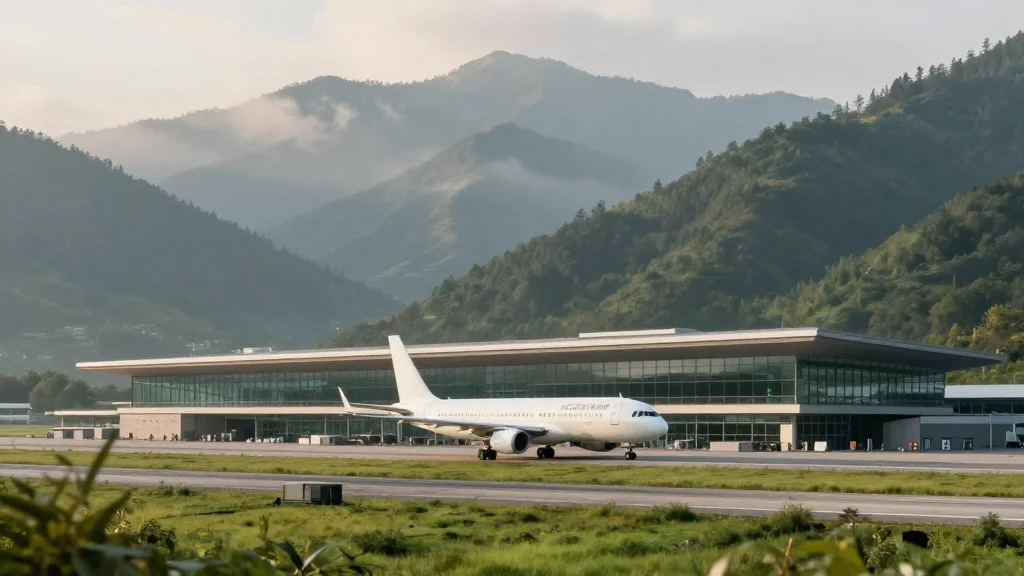
Bhutan's New Gelephu Airport Set to Open 2029, Expanding Access to Remote South

Why It Matters
Opening Gelephu International Airport reshapes Bhutan’s tourism landscape by potentially shifting the country from a single‑airport, ultra‑exclusive destination to a multi‑gateway hub. This could attract a broader segment of high‑spending wellness tourists, diversify regional development, and reduce pressure on Paro’s limited infrastructure. At the same time, the move tests the resilience of Bhutan’s high‑value, low‑volume model, raising questions about how the nation will safeguard its cultural and environmental assets amid increased visitor numbers. The project also signals a broader trend among remote, high‑value destinations seeking to modernize access while retaining exclusivity. How Bhutan manages this transition will offer a blueprint for other nations balancing economic growth with heritage preservation in the post‑pandemic travel era.
Key Takeaways
- •King Jigme Khesar Namgyel Wangchuck inaugurated Gelephu Airport construction, slated for 2029.
- •Airport capacity: 123 flights per day, far exceeding Paro’s eight daily flights.
- •Award‑winning timber terminal won Future Project of the Year at the 2025 World Architecture Festival.
- •Bhutan’s Sustainable Development Fee reduced to $100 per adult per night in 2022.
- •Gelephu will serve the new Gelephu Mindfulness City, targeting high‑spending wellness tourists.
Pulse Analysis
Bhutan’s decision to build a second international airport reflects a calculated gamble: leveraging its growing reputation as a wellness destination while preserving the scarcity that underpins its premium pricing. Historically, the kingdom’s tourism revenue has been modest but stable, thanks to strict visitor caps and bundled fees. By introducing Gelephu, Bhutan can tap into the burgeoning market for mindfulness travel, a segment that commands higher per‑capita spend and aligns with the nation’s Buddhist ethos.
However, the shift also introduces operational complexities. Managing two airports with vastly different capacities will require sophisticated demand‑management tools and robust regulatory oversight to prevent overtourism in the south. The phased entry system and continued reliance on licensed tour operators suggest the government is aware of these risks and is prepared to enforce strict controls. If successful, Bhutan could set a precedent for other high‑value destinations—like Iceland or New Zealand—demonstrating that controlled expansion can coexist with heritage preservation.
Looking ahead, the true test will be the airport’s impact on visitor demographics and spending patterns. Should Gelephu attract a wave of affluent wellness seekers, Bhutan may see a surge in ancillary services—luxury accommodations, boutique spas, and cultural experiences—fueling economic diversification. Conversely, any lapse in environmental safeguards could erode the very allure that makes Bhutan unique. The next five years will reveal whether the kingdom can balance growth with its core values, shaping the future of sustainable, high‑value tourism worldwide.
Bhutan's New Gelephu Airport Set to Open 2029, Expanding Access to Remote South
Comments
Want to join the conversation?
Loading comments...