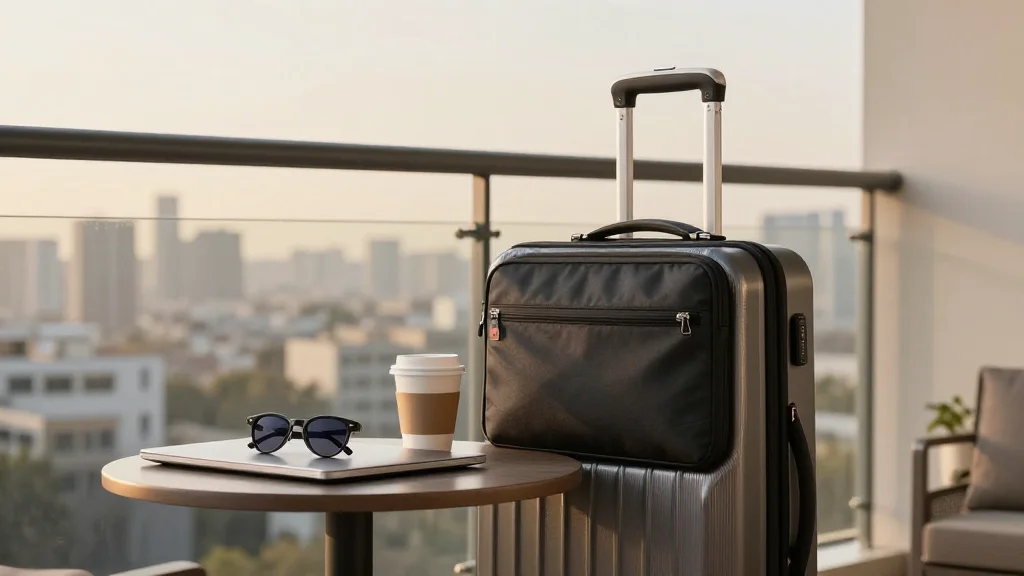
Bleisure Travel Explained: How To Make The Most Of Your Work Trips
Why It Matters
Bleisure expands corporate travel spend while boosting employee satisfaction, forcing firms to balance cost control with flexible benefits. The trend also reshapes tourism demand, offering destinations new revenue streams beyond pure business travel.
Key Takeaways
- •Bleisure interest rose 25% in 2024, per Forbes
- •21% of execs surveyed extend work trips for leisure
- •Holafly report shows 19.6% turn business travel into exploration
- •Top U.S. bleisure hubs: New York, Miami, Austin
- •Companies may offer travel stipends but require separate expense tracking
Pulse Analysis
The surge in bleisure travel reflects a broader shift in how professionals view mobility. Data from Forbes, Perk, and Holafly indicates that roughly one in five executives now blend work and leisure, a 25% jump in interest over the past year. This convergence is driven by tighter work schedules, the rise of remote‑friendly policies, and a desire for cultural immersion without sacrificing career momentum. As employees seek richer experiences, destinations are rebranding themselves as hybrid work‑leisure hubs, leveraging amenities that cater to both productivity and relaxation.
For corporations, the rise of bleisure presents both opportunity and challenge. Flexible travel policies can enhance talent attraction and retention, especially among younger workers who prioritize work‑life integration. However, mixing personal and business expenses demands clear guidelines and robust expense‑tracking systems to avoid compliance pitfalls. Companies are increasingly offering travel stipends, discounted bookings, or dedicated “bleisure days,” but they must delineate reimbursable costs to protect fiscal responsibility while still providing the autonomy employees crave.
Destination economies stand to benefit as bleisure travelers extend stays and spend on local attractions, dining, and accommodation beyond the typical business itinerary. Cities like New York, Miami, London, and Singapore are tailoring services—such as co‑working spaces adjacent to cultural districts—to capture this hybrid market. Hospitality providers are bundling work‑friendly amenities with leisure experiences, positioning themselves as one‑stop solutions for the modern traveler. As bleisure solidifies its place in the travel landscape, stakeholders across corporate, tourism, and tech sectors will need to adapt strategies to maximize its economic and experiential upside.
Bleisure Travel Explained: How To Make The Most Of Your Work Trips
Comments
Want to join the conversation?
Loading comments...