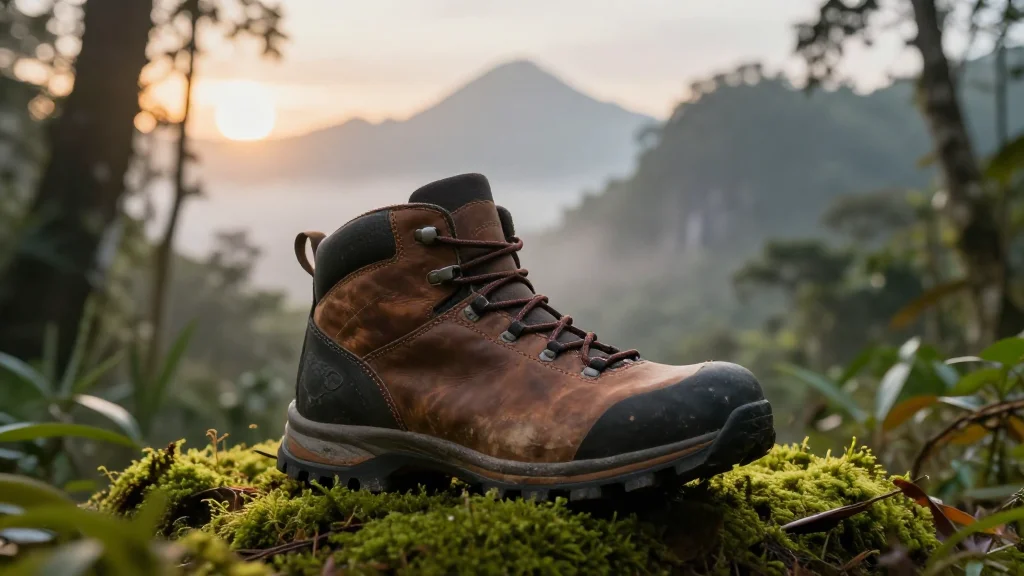
Bolivia Launches Secluded Adventure Escapes as Travelers Seek Low‑Impact Destinations

Why It Matters
The launch signals a strategic shift for Bolivia from a niche adventure destination to a leader in low‑impact tourism, a segment projected to grow as travelers seek alternatives to crowded hotspots. By channeling visitors to remote areas, the country can diversify economic benefits, reduce pressure on over‑visited sites, and reinforce conservation goals. If successful, Bolivia’s model could inspire other emerging markets to develop community‑based, high‑value tourism products that protect ecosystems while delivering measurable income to local populations. The initiative also offers a test case for how policy, marketing, and on‑the‑ground capacity management can work together to create sustainable travel experiences.
Key Takeaways
- •Bolivia introduced new remote itineraries in the Andes and Amazon targeting low‑impact adventure travelers.
- •The strategy aims to increase tourist arrivals by 2026 while limiting visitor density in protected areas.
- •Community‑anchored ecolodges will cap guest numbers to preserve solitude and direct spending to local cooperatives.
- •The move aligns Bolivia with a global trend toward quiet, nature‑first destinations driven by younger travelers.
- •Success will depend on infrastructure upgrades, traveler education, and careful monitoring of environmental impacts.
Pulse Analysis
Bolivia’s pivot to secluded, community‑driven tourism reflects a broader industry realignment where sustainability and authenticity have become core value propositions. Historically, the country relied on a narrow set of attractions—most notably the Salar de Uyuni and La Paz—to draw visitors. By expanding the portfolio to include remote cloud forests and high‑altitude lake districts, Bolivia is diversifying risk and creating new revenue streams that are less vulnerable to the seasonal fluctuations that plague single‑attraction economies.
From a competitive standpoint, Bolivia now competes directly with other emerging destinations that have embraced low‑density tourism, such as Patagonia in Chile and the highlands of Peru. Its advantage lies in the sheer scale of untouched wilderness and a relatively under‑developed tourism infrastructure that can be shaped to prioritize sustainability from the outset. However, the challenge will be balancing accessibility with preservation; inadequate infrastructure could deter travelers, while over‑development could erode the very qualities that attract them.
Looking forward, the initiative could set a benchmark for policy‑driven tourism growth in the Global South. If Bolivia can demonstrate measurable benefits—higher per‑visitor spend, improved community livelihoods, and stable ecological indicators—other nations may adopt similar frameworks. The key will be transparent data collection and adaptive management, ensuring that the push for visitor numbers does not compromise the ecosystems that form the foundation of the new travel narrative.
Bolivia Launches Secluded Adventure Escapes as Travelers Seek Low‑Impact Destinations
Comments
Want to join the conversation?
Loading comments...