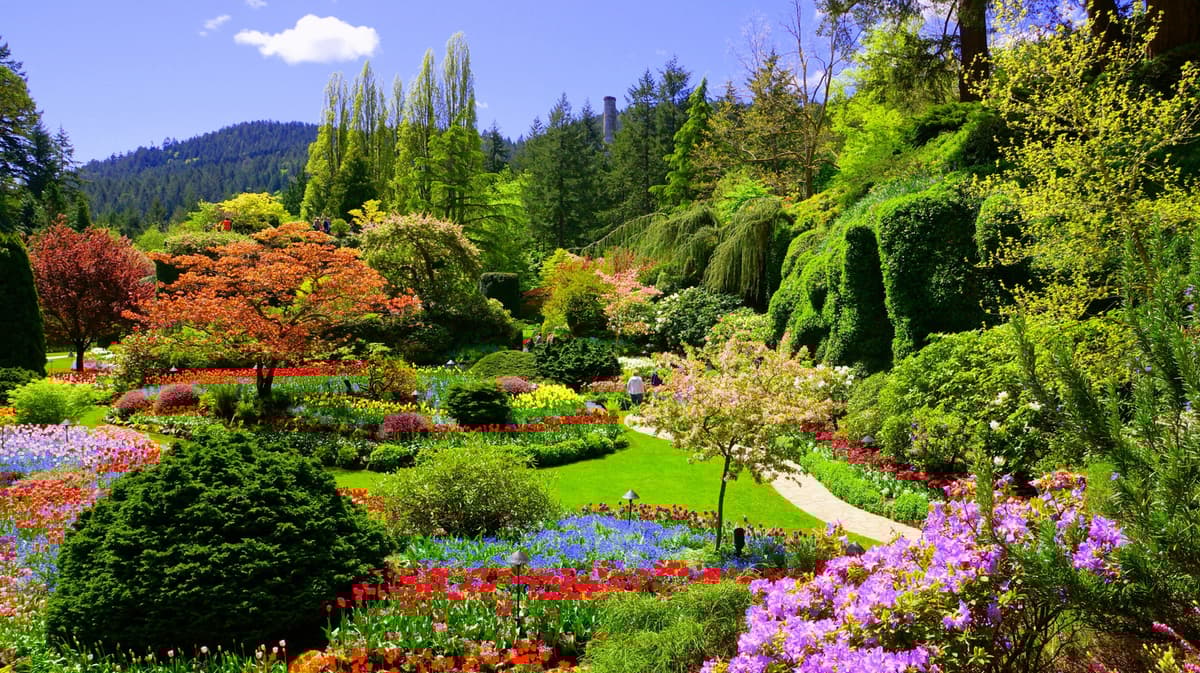
Canada's Once-Thriving Limestone Quarry Is Now A World-Famous Garden With Endless Breathtaking Flowers
Why It Matters
Butchart Gardens illustrates how adaptive reuse of industrial sites can drive sustainable tourism and generate significant regional revenue. Its success underscores the economic value of heritage‑focused attractions in the Canadian Pacific Northwest.
Key Takeaways
- •Over 1 million visitors tour Butchart Gardens annually.
- •Former limestone quarry transformed into Sunken Garden by Jennie Butchart.
- •Five themed gardens showcase diverse plant collections and water features.
- •Family ownership adds attractions like fireworks, carousel, and seasonal displays.
- •Gardens generate significant tourism revenue for Victoria region.
Pulse Analysis
The story of Butchart Gardens is a textbook example of industrial repurposing that reshaped a local economy. When the limestone deposits were exhausted in 1909, Jennie Butchart turned the 50‑foot‑deep pit into a horticultural masterpiece, importing soil and planting ivy over the quarry walls. By blending Japanese, Italian and Mediterranean design principles, she created a multi‑seasonal landscape that not only preserved the site’s history but also set a precedent for converting derelict spaces into cultural assets.
Today the Gardens serve as a major tourism magnet for Victoria and the broader British Columbia region. With more than one million guests annually, the attraction fuels hospitality, retail and transportation sectors, contributing an estimated multi‑million‑dollar boost to the local economy each year. The family’s ongoing stewardship—adding fireworks, a carousel, and year‑round holiday displays—keeps the experience fresh, encouraging repeat visitation and extending the average length of stay for tourists, which in turn amplifies ancillary spending in nearby communities.
Beyond its immediate financial impact, Butchart Gardens reflects a growing global trend toward sustainable, experience‑based tourism. Botanical gardens worldwide are leveraging heritage narratives to differentiate themselves, and Butchart’s success demonstrates how careful curation of plant collections, water features, and cultural programming can create a destination that balances ecological stewardship with commercial viability. As climate‑change considerations reshape landscape design, the Gardens’ emphasis on diverse, drought‑tolerant Mediterranean species offers a model for resilient garden planning, ensuring its allure for future generations.
Canada's Once-Thriving Limestone Quarry Is Now A World-Famous Garden With Endless Breathtaking Flowers
Comments
Want to join the conversation?
Loading comments...