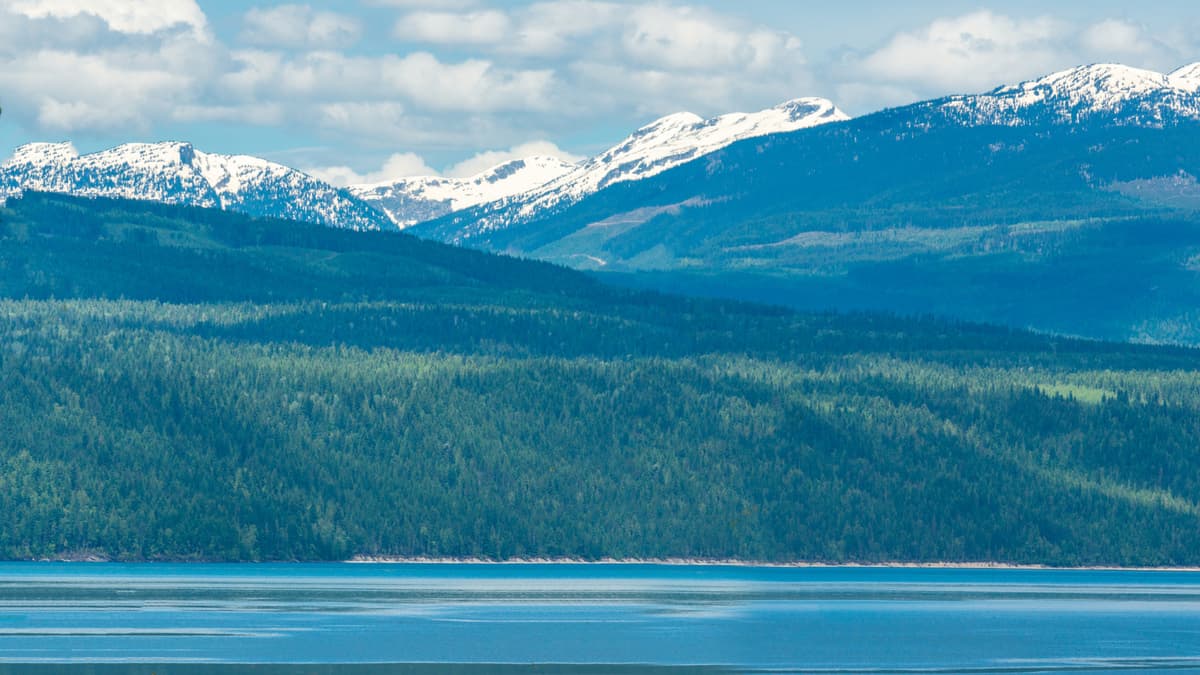
Canada's Sparkling Lake In British Columbia Has Mountain Views, Camping, And Boating
Why It Matters
The lake’s natural appeal fuels regional tourism, driving economic growth for small towns while showcasing British Columbia’s outdoor‑recreation brand. Its popularity also underscores the need for sustainable management of Canada’s freshwater and wilderness assets.
Key Takeaways
- •Upper Arrow Lake spans 142 miles, part of 140‑plus‑mile Columbia River stretch
- •Arrow Lakes Provincial Park offers 17 first‑come, first‑served campsites May‑Sept
- •Blanket Creek Park provides 105 woodland campsites and stocked kokanee salmon
- •Mount Revelstoke National Park dubbed ‘Banff without crowds’ draws summer hikers
- •Travelers can reach lake via Crowsnest Highway or Vancouver‑to‑Cranbrook routes
Pulse Analysis
Upper Arrow Lake has emerged as a marquee destination in British Columbia’s tourism portfolio, earning a spot among the nation’s top ten lakes. Its 142‑mile shoreline, framed by the Selkirk, Valhalla and Monashee ranges, delivers a rare blend of alpine vistas, pristine water and accessible wilderness. The lake’s reputation draws a diverse crowd—from avid kayakers and anglers to families seeking campground serenity—reinforcing the province’s image as a premier outdoor‑adventure hub.
The influx of visitors translates into tangible economic benefits for nearby communities such as Revelstoke and Nakusp. Provincial parks like Arrow Lakes and Blanket Creek have expanded campsite inventories, while local outfitters profit from boat rentals, guided hikes, and fishing charters. Accessibility is a key driver: the Crowsnest Highway provides a scenic four‑hour drive from Cranbrook, and a longer, wine‑country‑rich route from Vancouver adds a culinary dimension to the journey. These travel corridors funnel spending into hospitality, retail and service sectors, bolstering employment in a region traditionally reliant on resource extraction.
However, the lake’s growing popularity also raises stewardship challenges. Seasonal crowding can strain fragile ecosystems, prompting provincial authorities to enforce first‑come, first‑served camping policies and maintain strict water‑craft launch standards. Climate variability threatens snowpack‑fed river flows, potentially altering water levels that support both recreation and fish habitats. Sustainable tourism initiatives—such as low‑impact campsite design and collaborative conservation programs with Indigenous groups—are essential to preserve Upper Arrow Lake’s natural capital while sustaining its economic momentum.
Canada's Sparkling Lake In British Columbia Has Mountain Views, Camping, And Boating
Comments
Want to join the conversation?
Loading comments...