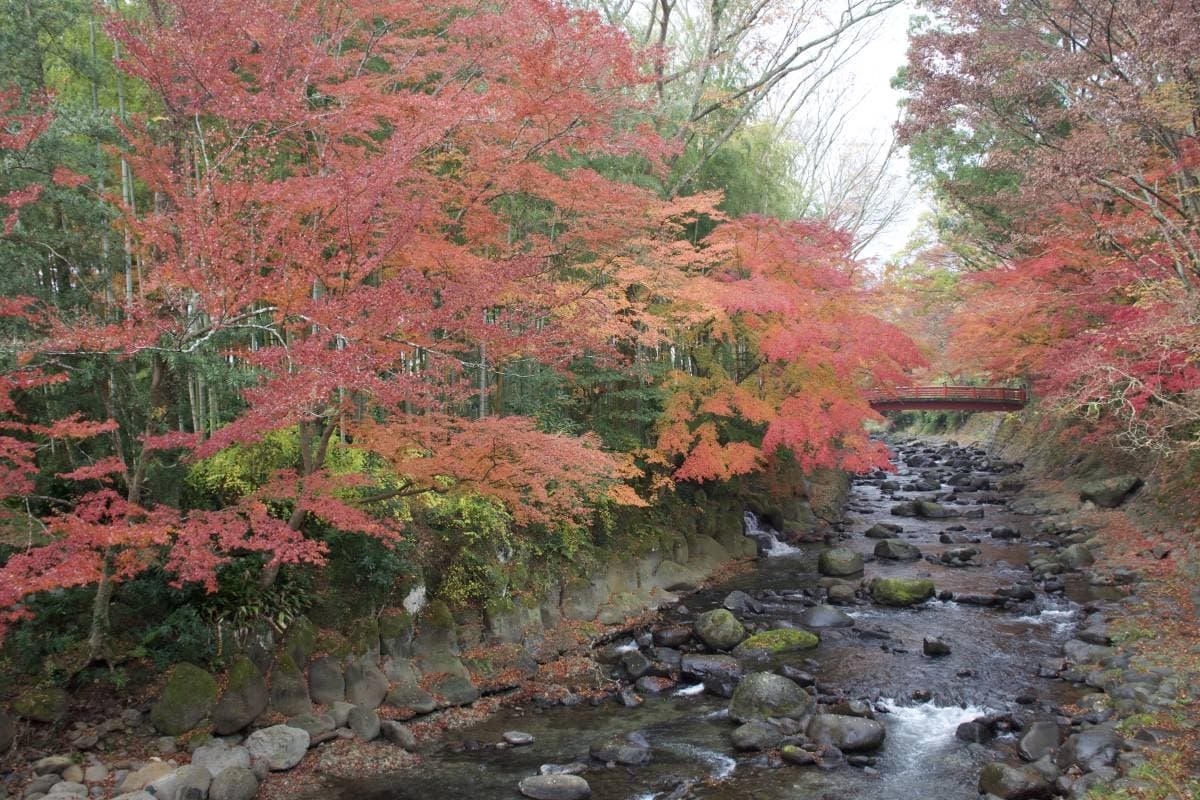
Chasing Japan’s Autumn Foliage on Foot
Why It Matters
These lesser‑known trails diversify Japan’s tourism, drawing visitors to regional economies while easing congestion at popular hotspots like Kyoto.
Key Takeaways
- •Kiso Valley combines autumn hikes with onsen baths and local cuisine
- •Izu Geo Trail showcases volcanic coastlines and cedar forests in fall colors
- •Shikoku pilgrimage merges 1,200‑year‑old Buddhist tradition with leaf‑watching
- •Quiet routes attract travelers seeking slower, immersive cultural experiences
Pulse Analysis
Japan’s autumn, known locally as momijigari, has long drawn photographers and travelers to iconic spots such as Kyoto’s temples. Yet the season’s vivid palette extends far beyond the city’s historic avenues, spilling into remote valleys, volcanic coastlines and pilgrimage trails. As global travelers increasingly seek authentic, low‑crowd experiences, these lesser‑known corridors are gaining attention for their ability to blend natural spectacle with cultural depth. The shift reflects a broader trend toward experiential tourism that values immersion over sightseeing shortcuts. Travel agencies are now curating multi‑day packages that weave these trails into broader regional tours.
The Kiso Valley in Nagano offers a gentle, year‑round trek that threads through Edo‑era post towns, alpine farms and the sacred Ontake‑san volcano, ending each day with onsen baths and regional sake. Further south, the UNESCO‑listed Izu Geo Trail winds along rugged volcanic cliffs, cedar groves and quiet fishing hamlets, where autumn turns the landscape into a fire‑kissed tableau. On Shikoku, Walk Japan’s segment of the 88‑temple pilgrimage lets hikers follow centuries‑old Buddhist routes while the island’s mist‑shrouded valleys blaze with crimson leaves. Each path delivers a distinct blend of history, cuisine and seasonal color.
By spotlighting these quieter corridors, regional authorities can diversify Japan’s tourism revenue, easing pressure on over‑visited sites like Kyoto while stimulating local economies in Nagano, Izu and Shikoku. The slower pace also aligns with sustainable travel principles, encouraging longer stays, higher per‑visitor spend on lodging, onsen and specialty foods. For travelers, the promise of uncrowded leaf‑watching combined with cultural immersion makes Japan’s autumn a compelling alternative to the traditional postcard itinerary.
Chasing Japan’s autumn foliage on foot
Comments
Want to join the conversation?
Loading comments...