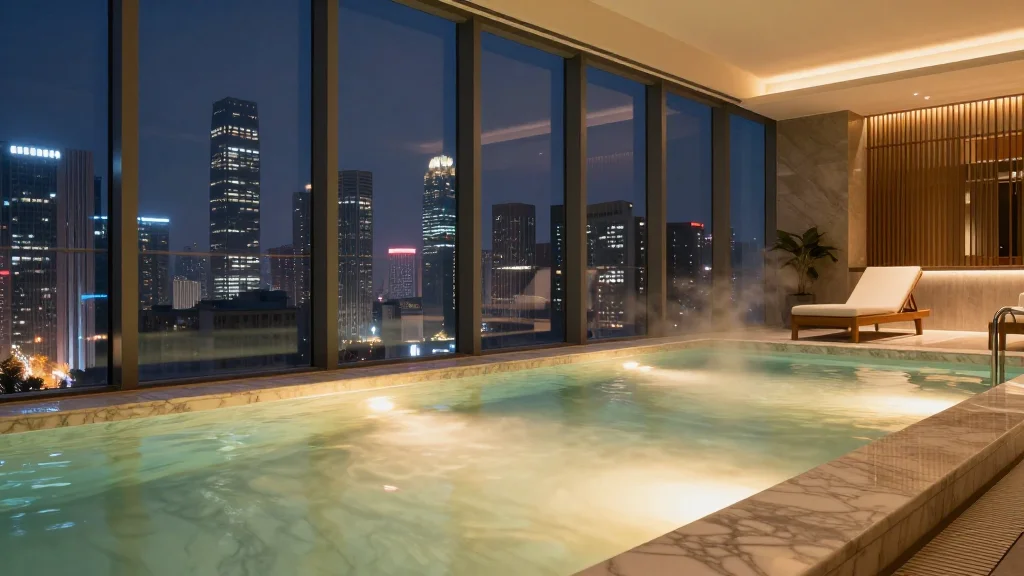
China’s 24‑Hour Urban Spas Lure Global Wellness Travelers

Why It Matters
The rise of 24‑hour urban spas signals a fundamental change in how travelers allocate time and budget during city trips. By integrating health, relaxation and hospitality into a single venue, these spas extend the average length of stay and increase per‑visitor spend, boosting local economies. Moreover, the model aligns with broader consumer trends toward holistic well‑being, suggesting that future travel products will need to embed wellness into core offerings rather than treating it as an add‑on. For the global travel industry, the Chinese example provides a scalable blueprint. Cities that can repurpose existing bathing facilities or develop new wellness complexes stand to capture a share of the rapidly growing wellness tourism market, which the Global Wellness Institute estimates will exceed $1 trillion worldwide within the next decade.
Key Takeaways
- •China’s wellness tourism spending now exceeds tens of billions of dollars, growing at double‑digit rates.
- •Beijing and Shanghai host 24‑hour spa complexes that combine bathing, dining, sleep and entertainment.
- •Overseas visitors, especially from Europe, North America and Korea, are increasingly booking spa visits as part of city itineraries.
- •Pricing ranges from low‑cost entry to premium all‑inclusive packages with gourmet dining and imported products.
- •The trend supports China’s “Healthy China” policy and may inspire similar urban wellness concepts across Asia.
Pulse Analysis
The emergence of 24‑hour spas in China reflects a convergence of three macro forces: rising health consciousness, urbanization and the commoditization of wellness. Historically, communal baths served a purely hygienic function; today, they are being rebranded as luxury wellness hubs that capture discretionary spend. This shift mirrors the evolution of the European spa town, where health tourism once drove regional economies. In China, the model is accelerated by a massive domestic market and a government agenda that subsidizes health‑related infrastructure.
From a competitive standpoint, the Chinese spas are leveraging scale and cultural authenticity to differentiate from Western boutique wellness centers. Their ability to stay open around the clock eliminates the friction of scheduling, a pain point for business travelers and late‑night tourists. As airlines and travel agencies begin to embed spa access into ticket bundles, the value chain expands, creating new revenue streams for hotels, airlines and local municipalities.
Looking ahead, the key question is whether the 24‑hour format can sustain demand beyond the novelty phase. Success will depend on maintaining high service standards, diversifying treatment menus and integrating technology—such as personalized health tracking—to deepen the wellness experience. If these elements coalesce, the model could become a staple of urban tourism worldwide, reshaping how cities compete for the increasingly health‑focused traveler.
China’s 24‑Hour Urban Spas Lure Global Wellness Travelers
Comments
Want to join the conversation?
Loading comments...