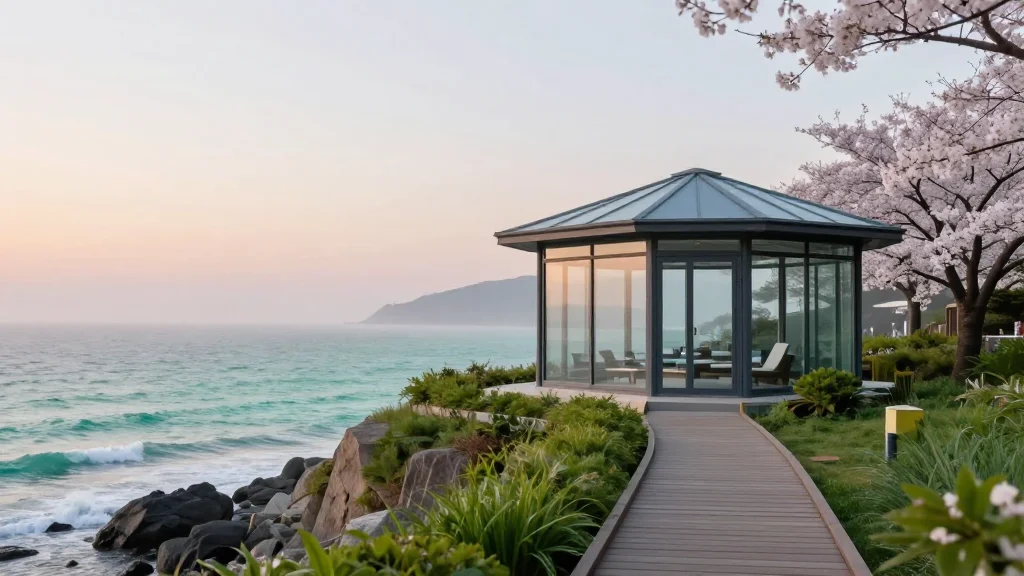
Chungbuk and Chungnam Launch Three‑Year Wellness Tourism Drive Ahead of 2026 Expo

Why It Matters
The initiative signals a strategic pivot for South Korea, moving from a reliance on urban, culture‑centric tourism toward a diversified offering that taps into the fast‑growing wellness segment. By integrating heritage sites, natural therapy venues and modern transport, Chungbuk and Chungnam aim to attract higher‑spending travelers who stay longer and spend more on ancillary services such as spa treatments, organic cuisine and wellness workshops. Success could inspire other mid‑size regions in Asia to develop similar health‑focused itineraries, reshaping the competitive dynamics of the regional tourism market. Moreover, the programme’s emphasis on talent development addresses a chronic shortfall in skilled wellness professionals, potentially creating new employment pathways and fostering a local ecosystem of wellness entrepreneurs. This could have spill‑over effects on related sectors, including agriculture (for organic produce), construction (for eco‑friendly facilities) and digital services (for booking platforms tailored to wellness itineraries).
Key Takeaways
- •Chungbuk and Chungnam launch a coordinated three‑year wellness tourism programme.
- •2026 Taean International Horticulture & Healing Expo positioned as the world’s first nature‑therapy expo.
- •Taean Marine Healing Center offers marine‑based wellness treatments using local saline groundwater and peat.
- •Cheongju International Airport provides 19 international routes linking the region to key Asian markets.
- •New transport solutions include a C‑Tour Bus to the Baekje region and a demand‑responsive transit system for Gongju and Buyeo.
Pulse Analysis
South Korea’s central provinces are betting on wellness tourism at a time when the global market is accelerating toward health‑centric travel experiences. The three‑year programme is more than a marketing push; it is an infrastructure investment that aligns cultural heritage, natural assets and modern mobility. By anchoring the strategy around the 2026 Taean Expo, the provinces create a marquee event that can generate media attention, attract international exhibitors and provide a testing ground for new wellness concepts.
Historically, South Korea’s tourism narrative has been dominated by Seoul’s pop culture, technology and culinary scenes. The shift to wellness diversifies the country’s value proposition and mitigates the risk of over‑reliance on a single city. It also mirrors trends seen in Japan’s onsen towns, where local governments have leveraged hot springs and traditional ryokan stays to command premium pricing. Chungbuk’s temple‑stay offerings and Chungnam’s marine‑based treatments could carve out a comparable niche, especially if they can demonstrate measurable health benefits that appeal to post‑pandemic travelers seeking restorative getaways.
The success of the programme will hinge on execution. Seamless connectivity—from Cheongju Airport’s international routes to on‑demand transit within the provinces—must translate into a frictionless visitor journey. Equally critical is the development of a skilled workforce capable of delivering authentic, high‑quality wellness services. If these elements align, the central Korean corridor could become a template for other secondary cities across Asia, prompting a wave of regional wellness corridors that collectively reshape the continent’s tourism map.
Chungbuk and Chungnam Launch Three‑Year Wellness Tourism Drive Ahead of 2026 Expo
Comments
Want to join the conversation?
Loading comments...