Condé Nast Traveler’s 2026 Hot List Spotlights New Luxury Resorts in Mexico

Companies Mentioned
Why It Matters
The addition of Park Hyatt Cabo del Sol and Rosewood Mandarina signals a decisive upscale pivot for Mexico’s Pacific coast, a region traditionally known for mass‑market beach resorts. By anchoring luxury offerings in Los Cabos and Riviera Nayarit, these brands are likely to attract higher‑spending tourists, increase average daily rates and stimulate ancillary spending in local economies. At the same time, the emphasis on design, local cuisine and eco‑friendly practices could set new standards for responsible luxury, influencing future developments across the Caribbean and Latin America. For travelers, the new openings expand the palette of high‑quality options that combine cultural authenticity with world‑class amenities. For the industry, they illustrate how major hotel operators are leveraging brand equity to capture a post‑pandemic surge in experiential travel, while also navigating the delicate balance between growth and environmental stewardship.
Key Takeaways
- •Condé Nast Traveler’s 2026 Hot List names Park Hyatt Cabo del Sol and Rosewood Mandarina as top new hotels in Mexico.
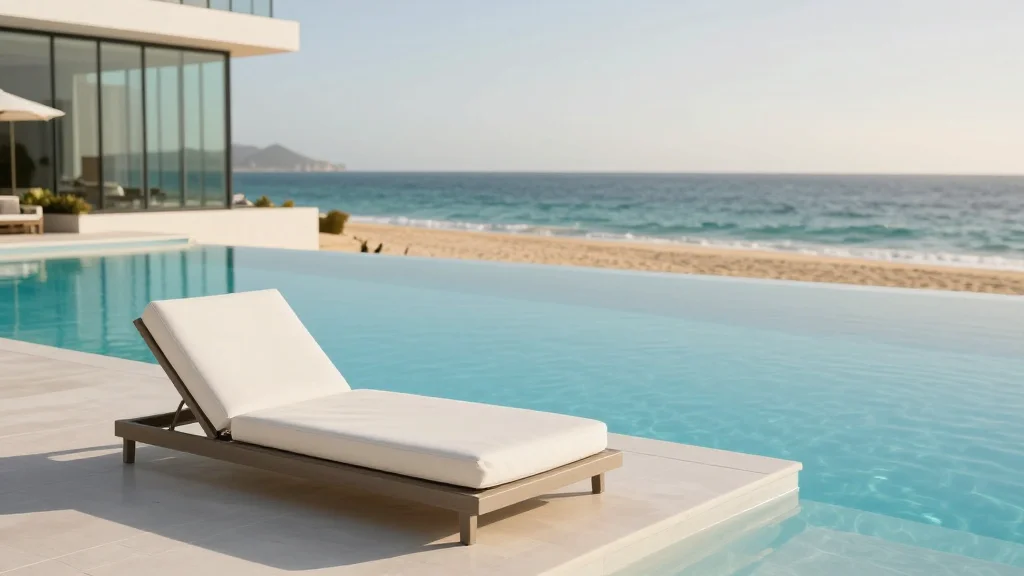
- •Park Hyatt Cabo del Sol features ocean‑overlooking pools, a private beach club and rates starting at $900 per night.
- •Rosewood Mandarina integrates jungle‑sea setting with eco‑luxury design as the second hotel in the Mandarina development.
- •Both resorts open in Q1 2026, targeting the winter tourism peak for affluent North American and European travelers.
- •The openings highlight a broader upscale expansion in Mexico’s Pacific coast, raising questions about sustainability and local impact.
Pulse Analysis
The 2026 Hot List underscores a strategic shift among luxury hotel brands toward destinations that blend natural beauty with cultural depth. Park Hyatt’s minimalist, art‑infused design in Los Cabos mirrors a global trend where high‑end travelers seek authenticity over ostentation. By foregrounding local culinary narratives—such as Mesa Madre’s grandmother‑inspired dishes—the resort taps into the growing demand for food‑centric experiences that feel both exclusive and rooted in place.
Rosewood’s Mandarina, meanwhile, leans heavily into eco‑luxury, a sub‑segment that has gained traction as affluent travelers become more environmentally conscious. Its integration of jungle and sea, coupled with low‑impact architecture, positions the property as a prototype for future developments that must reconcile profitability with stewardship. This approach could pressure competitors to adopt greener practices, potentially reshaping the investment calculus for new resorts across the Caribbean.
From a market perspective, the timing is critical. As the Caribbean recovers from a series of climate events, Mexico’s Pacific coast offers a relatively stable alternative for luxury vacationers. The $900‑plus price point signals confidence that demand will sustain premium pricing, while also setting a benchmark for revenue per available room (RevPAR) in the region. If occupancy targets are met, these properties could catalyze further high‑end investment, prompting a cascade of upgrades in infrastructure, transportation and ancillary services. However, the sustainability debate remains unresolved; over‑development could erode the very natural assets that make these locations attractive. Stakeholders will need to balance short‑term gains with long‑term preservation to ensure the region’s continued appeal.
Condé Nast Traveler’s 2026 Hot List Spotlights New Luxury Resorts in Mexico
Comments
Want to join the conversation?
Loading comments...