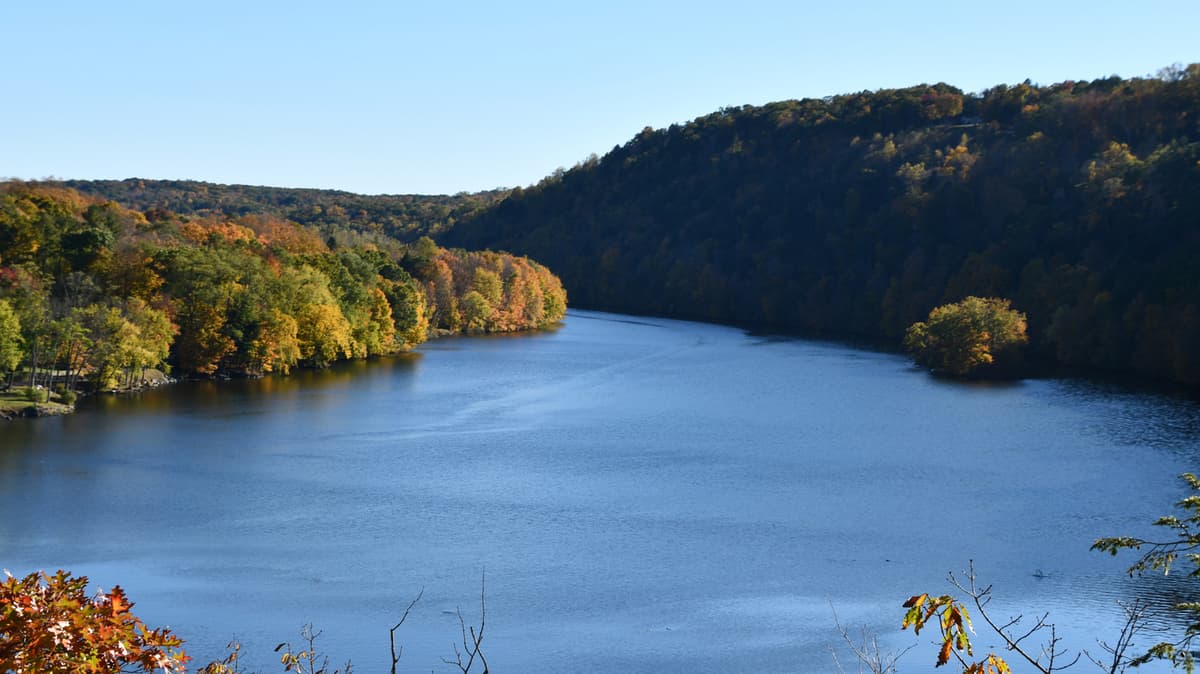
Connecticut's Deepest Artificial Lake Is A New England Haven For Fishing, Kayaking, And Hiking
Why It Matters
The lake’s premier fishing reputation and easy access boost regional tourism and generate revenue for local businesses, while its recreational infrastructure underscores the economic value of Connecticut’s man‑made water assets.
Key Takeaways
- •110‑ft deep, deepest artificial lake in Connecticut.
- •Holds record 45‑lb carp, top bass population.
- •1,900‑acre surface supports kayaking, boating.
- •6.2‑mi Lillinonah Trail offers forest lake views.
- •30‑mile drive from New Haven fuels regional tourism.
Pulse Analysis
Artificial reservoirs like Lake Lillinonah illustrate how mid‑century dam projects can evolve into multi‑purpose assets. Built to regulate flow on the Housatonic and Shepaug rivers, the lake’s 110‑foot depth surpasses Connecticut’s natural lakes, providing a stable water column that supports diverse fish habitats. The engineered environment has attracted trophy‑size bass and record‑breaking carp, turning the lake into a flagship sport‑fishing destination that complements the state’s broader outdoor recreation portfolio.
Beyond angling, Lake Lillinonah’s 1,900 acres of open water have become a hub for paddlers and boaters, with launch sites at Pond Brook and Bridgewater catering to both casual kayakers and high‑speed jet‑ski enthusiasts. The influx of visitors fuels ancillary businesses—bait shops, boat rentals, and nearby eateries—particularly in towns like Newtown and Bridgewater. Proximity to New Haven, a major metropolitan center, amplifies this effect, as day‑trippers contribute to local tax bases and support seasonal employment in the hospitality sector.
Looking ahead, the lake’s surrounding trails, such as the Lillinonah and Lover’s Leap routes, offer opportunities for sustainable eco‑tourism. Conservation groups are monitoring boat traffic to protect water quality while promoting low‑impact activities like hiking and birdwatching. As climate variability raises concerns about water levels, stakeholders are exploring adaptive management strategies that balance recreation, habitat preservation, and flood control, ensuring Lake Lillinonah remains a resilient asset for Connecticut’s economy and outdoor culture.
Connecticut's Deepest Artificial Lake Is A New England Haven For Fishing, Kayaking, And Hiking
Comments
Want to join the conversation?
Loading comments...