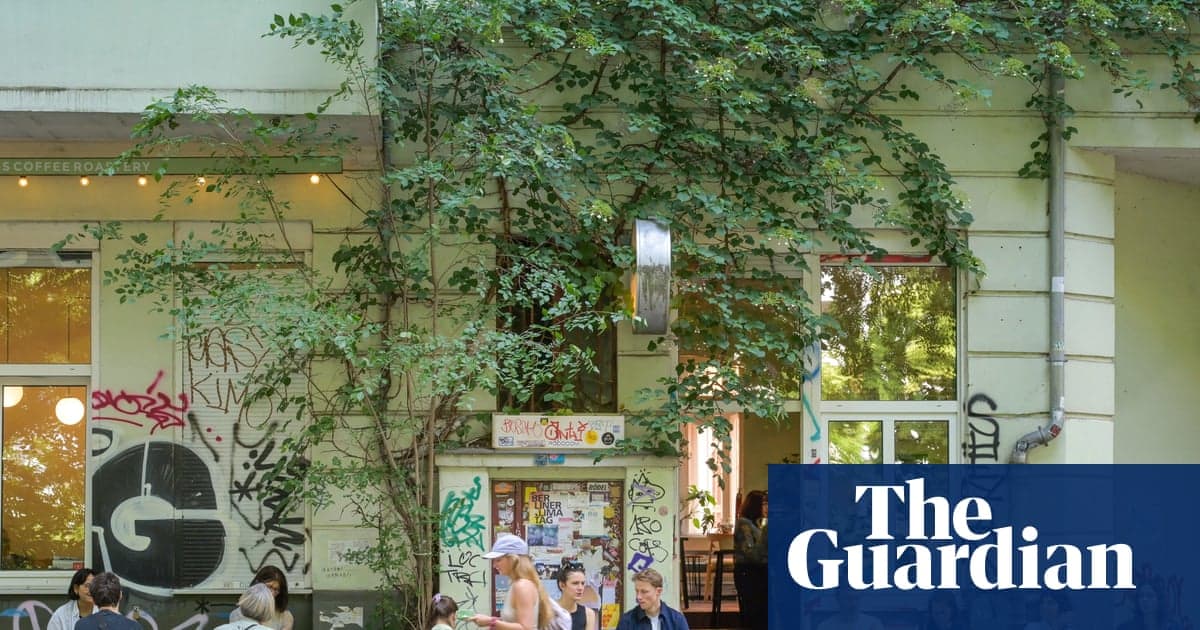
Cool Bars and Friendly Vibes: Readers’ Favourite City Neighbourhoods in Europe
Why It Matters
Hyper‑local tourism is reshaping travel demand, driving economic growth in secondary urban districts and encouraging sustainable, experience‑focused itineraries across Europe.
Key Takeaways
- •Berlin's Maybachufer blends markets, canals, and indie bars.
- •Glasgow's Gorbals offers heritage walks and hidden beer gardens.
- •Porto's Foz do Douro provides seaside escape via tram.
- •Ljubljana's Metelkova showcases vibrant street art and nightlife.
- •Brussels' Ixelles combines art nouveau architecture with community spirit.
Pulse Analysis
The rise of neighbourhood‑centric travel reflects a broader shift away from landmark‑only itineraries toward immersive, community‑driven experiences. Millennials and Gen‑Z tourists, armed with social media and niche guidebooks, seek out districts where they can sample local cuisine, attend independent art events, and mingle with residents. This trend injects fresh revenue into secondary streets, revitalising small businesses and encouraging municipalities to invest in public‑transport connectivity and pedestrian‑friendly infrastructure. Cities across Europe are responding by promoting micro‑tourism campaigns that highlight hidden gems rather than just iconic sights.
What makes a neighbourhood a magnet for visitors? Authenticity, accessibility, and a layered cultural narrative. In Berlin, Maybachufer’s multicultural market and canal‑side bars offer a sensory blend of food, music, and street life. Glasgow’s Gorbals pairs Victorian architecture with contemporary murals and a cosy beer garden, while Ljubljana’s Metelkova transforms former barracks into a vibrant street‑art enclave. Consistent tram or bike links, affordable eateries, and a mix of historic and modern venues create a compelling, walkable environment that encourages longer stays and repeat visits.
Travelers can leverage these insights by planning trips around transit hubs and using local recommendation platforms that surface neighbourhood‑level attractions. Booking boutique stays or joining heritage walks—like Glasgow’s Women of the Gorbals tour—deepens engagement and supports the local economy. As digital curation tools improve, we can expect even finer‑grained discovery, with AI‑driven itineraries that match personal interests to specific streets, cafés and cultural events, fostering sustainable tourism that benefits both visitors and the communities they explore.
Cool bars and friendly vibes: readers’ favourite city neighbourhoods in Europe
Comments
Want to join the conversation?
Loading comments...