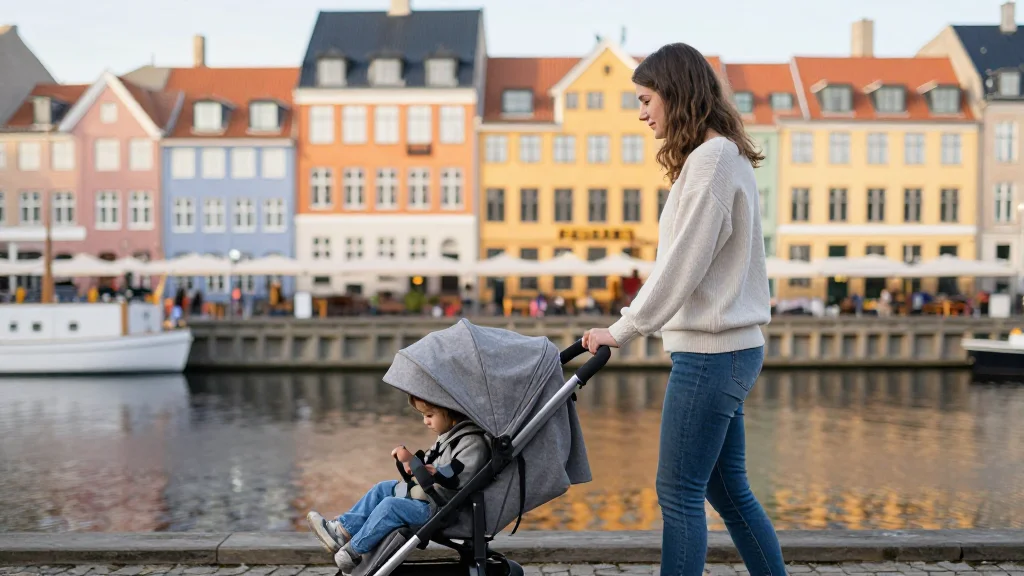
Copenhagen Topped LateRooms Index as Europe’s Top Family‑Friendly City

Why It Matters
Copenhagen’s top ranking signals a clear market preference for destinations that combine seamless logistics with engaging, child‑focused experiences. As family travel accounts for a sizable portion of European tourism revenue, cities that excel in walkability, short transfer times and family‑friendly accommodations can attract higher visitor spend and longer stays. The ranking also pressures other capitals to enhance infrastructure—such as improving airport links and expanding family‑oriented lodging—to remain competitive. For the travel industry, the index provides actionable data that can guide product development, marketing strategies and investment decisions. Tour operators can tailor packages around high‑scoring cities, while hotels can prioritize family amenities to climb the rankings, ultimately shaping the supply side of the family travel market across Europe.
Key Takeaways
- •Copenhagen ranked #1 in LateRooms’ Family Breaks Index for European cities
- •Scored 99/100 for walkability, the highest among all evaluated cities
- •15‑minute metro link from Copenhagen Airport to city centre highlighted as a key advantage
- •Top‑10 list also includes Berlin, Barcelona, Florence, Amsterdam, Valencia, Basel, Krakow, Prague and Vienna
- •LateRooms will refresh the index annually, reflecting evolving family travel preferences
Pulse Analysis
Copenhagen’s ascent to the summit of the Family Breaks Index reflects a maturation of the family travel segment, which has shifted from niche to mainstream over the past decade. Historically, family‑focused tourism was dominated by beach resorts and theme‑park destinations; however, urban centers like Copenhagen are now leveraging compact design, robust public transport and curated child‑centric attractions to capture this demographic. This evolution mirrors broader consumer trends toward experiential travel that balances convenience with cultural immersion.
The city’s success also underscores the competitive advantage of integrating family considerations into urban planning. Copenhagen’s early adoption of stroller‑friendly metro services and pedestrian‑first streetscapes predates many of its European peers, granting it a head start in the rankings. As other capitals invest in similar infrastructure, we can expect a narrowing of the gap, prompting a race to differentiate through unique attractions—such as interactive museums or eco‑focused playgrounds.
From an industry perspective, the index serves as a diagnostic tool for hoteliers and destination marketers. Properties that can demonstrate measurable family amenities—spacious rooms, child‑care services, kid‑friendly dining—are likely to see higher occupancy rates during school holidays, a period traditionally marked by price sensitivity. Moreover, travel agencies can leverage the ranking to craft bundled itineraries that emphasize low‑stress logistics, a selling point that resonates strongly with parents. In the longer term, the emphasis on family‑friendly urban tourism could stimulate ancillary sectors, from retail to transportation, fostering a more inclusive travel ecosystem across Europe.
Copenhagen Topped LateRooms Index as Europe’s Top Family‑Friendly City
Comments
Want to join the conversation?
Loading comments...