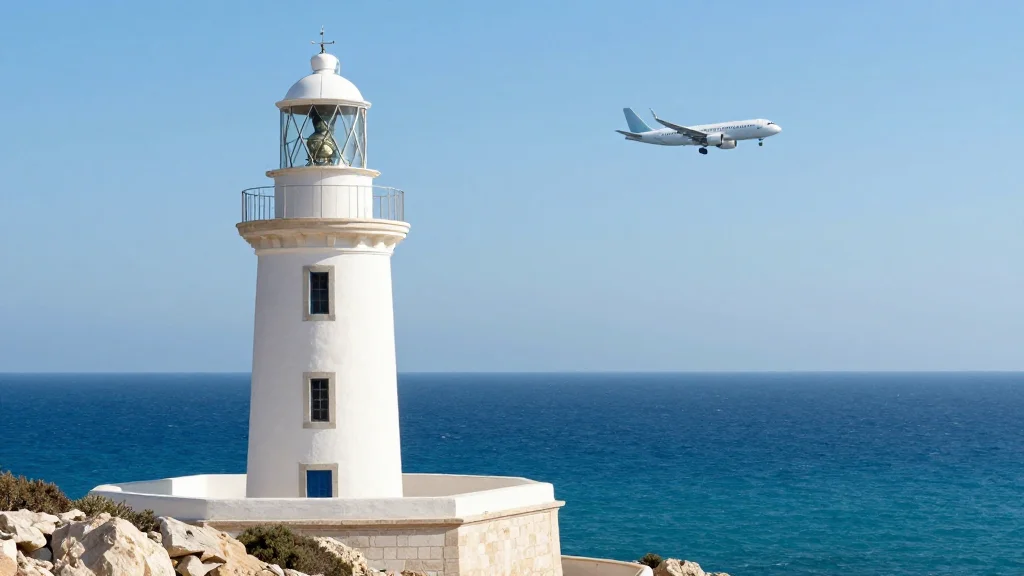
Crete Emerges as Greece’s Top Tourist Engine, Driven by Record Airport Traffic

Why It Matters
Crete’s expanding share of Greece’s tourism revenue signals a shift in visitor preferences toward larger, culturally rich islands that can offer varied experiences at competitive prices. The island’s airport growth not only boosts local employment but also strengthens Greece’s overall connectivity, reducing reliance on a handful of ultra‑luxury destinations. Policymakers and investors will watch Crete’s trajectory closely as a barometer for the effectiveness of infrastructure investment and regional diversification strategies in the post‑pandemic travel market. The sustained rise also raises questions about capacity management, environmental impact and the need for balanced development. As Crete attracts more high‑spending tourists, the region must navigate the trade‑offs between economic gains and preserving the natural and cultural assets that underpin its appeal.
Key Takeaways
- •Crete accounts for about 20% of Greece’s tourism receipts, per Bank of Greece data.
- •Heraklion Airport handled 9.3 million passengers in 2024, a 40% year‑over‑year increase.
- •Chania Airport saw passenger growth of roughly 7‑8% in 2024, reaching near four million.
- •More than six million visitors arrived in Crete in 2023, staying an average of over five days.
- •A new international airport at Kastelli is planned to replace the existing Heraklion facility.
Pulse Analysis
Crete’s rapid ascent reflects a broader rebalancing of Greek tourism away from the ultra‑luxury, high‑density islands that have traditionally dominated media narratives. By leveraging its larger landmass, diverse terrain and relatively lower price points, Crete offers a scalable model for sustainable growth that other regions can emulate. The airport data underscores the importance of connectivity: without the 40% surge at Heraklion, the island’s visitor numbers would likely have lagged behind.
Historically, Greece’s tourism strategy has been island‑centric, with heavy investment in Santorini and Mykonos. Crete’s performance suggests that a diversified portfolio—mixing flagship destinations with emerging hubs—can mitigate seasonal volatility and spread economic benefits more evenly. The upcoming Kastelli airport, if delivered on schedule, could further cement Crete’s role as a primary entry point for European travelers, potentially reshaping airline route networks across the Mediterranean.
However, growth brings challenges. Infrastructure must keep pace not only in air travel but also in ground transport, waste management and heritage preservation. Stakeholders will need to coordinate to avoid over‑tourism pressures that could erode the very assets driving Crete’s appeal. The island’s trajectory offers a case study in how strategic investment, market diversification and effective branding can collectively elevate a destination within a competitive regional market.
Crete Emerges as Greece’s Top Tourist Engine, Driven by Record Airport Traffic
Comments
Want to join the conversation?
Loading comments...