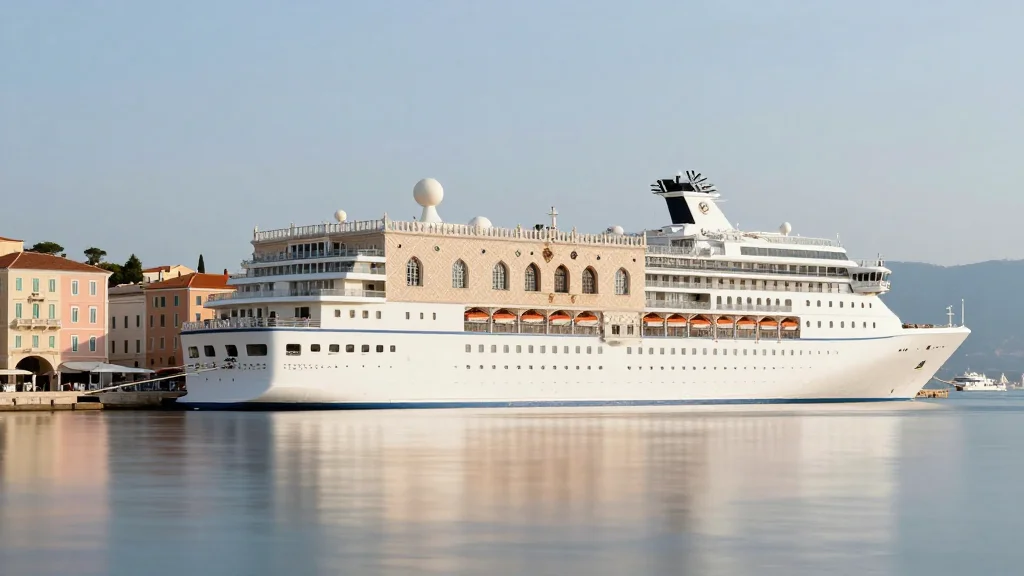
Cruise Passengers Find Art, History and Outdoor Fun in Corfu Town

Why It Matters
Corfu Town’s ability to offer a dense concentration of cultural sites, a world‑class Asian art museum and family‑friendly attractions within a short walk from the cruise dock enhances the overall value proposition of Mediterranean cruise itineraries. By catering to diverse traveler interests—history buffs, art enthusiasts and families—the port strengthens its competitiveness against other Greek islands that rely primarily on beach tourism. This diversification can drive higher passenger satisfaction and encourage cruise lines to allocate more time or repeat visits to the island. Moreover, the emphasis on shuttle and hop‑on hop‑off services underscores the importance of seamless ground transportation in shaping shore‑excursion experiences. Ports that invest in efficient transit options are better positioned to manage the growing volume of cruise passengers while preserving the visitor experience and protecting historic districts from overcrowding.
Key Takeaways
- •New Port dock is a concrete L‑shaped pier; shuttle or hop‑on hop‑off bus reaches old town in ~30 minutes
- •Museum of Asian Art, housed in a former royal palace, holds one of Europe’s finest Asian collections
- •Byzantine Museum and Agios Spiridon Cathedral showcase Corfu’s Orthodox and colonial heritage
- •Aqualand Corfu water park, 10 km inland, offers 51 slides and multiple pools for families
- •Liston promenade provides Venetian‑style cafés serving Corfiot cuisine influenced by Venice
Pulse Analysis
Corfu Town’s strategic positioning as a cultural hub within the Mediterranean cruise circuit reflects a broader shift toward experiential tourism. Cruise passengers are no longer satisfied with superficial beach stops; they seek authentic, immersive experiences that can be packed into a single day. By leveraging its layered colonial history and the unexpected draw of an Asian art museum, Corfu differentiates itself from neighboring ports that focus predominantly on sun‑and‑sand offerings.
Historically, Greek islands have competed for cruise traffic by promoting iconic landmarks such as the Acropolis of Rhodes or the windmills of Mykonos. Corfu’s approach—highlighting a mosaic of European influences alongside a premier Asian collection—creates a narrative of cross‑cultural dialogue that resonates with today’s globally minded travelers. This narrative is reinforced by practical transport solutions that minimize friction between ship and shore, a factor that can tip the scales when cruise lines design day‑itineraries.
Looking ahead, the island’s tourism authorities may consider expanding guided tours that integrate the Asian art museum with the Byzantine and Venetian sites, offering a cohesive storyline that maximizes shore‑time efficiency. Additionally, investment in sustainable shuttle fleets could further enhance the visitor experience while protecting the fragile historic core. As cruise lines continue to refine their Mediterranean itineraries, ports like Corfu that combine depth of content with logistical ease are likely to secure a larger share of the market, driving both economic benefits for the local community and richer experiences for travelers.
Cruise Passengers Find Art, History and Outdoor Fun in Corfu Town
Comments
Want to join the conversation?
Loading comments...