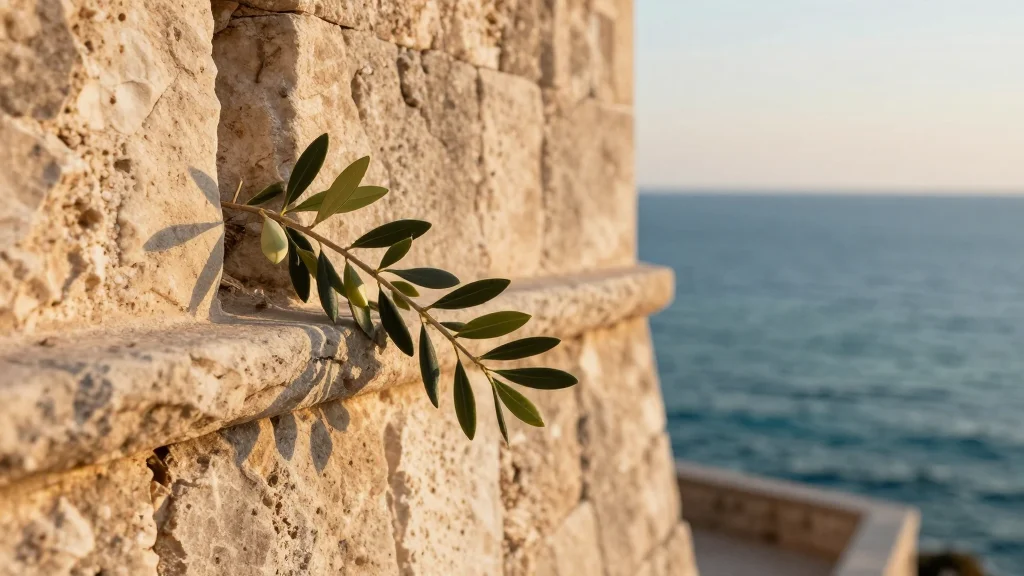
Dubrovnik Makes Travel Green List 2026, Cementing Its Sustainable Tourism Reputation

Why It Matters
The recognition underscores a broader shift in the travel industry toward sustainability as a decisive factor in destination choice. As travelers become more environmentally conscious, accolades from respected publications like Wanderlust can drive demand toward cities that demonstrate tangible green practices, reshaping revenue streams and investment priorities. For policymakers, Dubrovnik’s example offers a template for balancing heritage preservation with modern tourism pressures. The city’s strategies—vehicle restrictions, electric transport, waste reduction, and community engagement—illustrate how targeted interventions can protect cultural assets while still supporting economic growth.
Key Takeaways
- •Dubrovnik named to Wanderlust’s Travel Green List™ 2026 for the second year
- •Selection made by an international panel reviewing hundreds of global initiatives
- •City’s green measures include electric buses, vehicle limits in the Old Town, and waste‑reduction programs
- •Recognition positions Dubrovnik to attract high‑value, sustainability‑focused tourists
- •Upcoming 2027 sustainability roadmap and regional summit on heritage tourism
Pulse Analysis
Dubrovnik’s repeat appearance on the Travel Green List™ signals that sustainable tourism is moving from niche to mainstream within the European market. Historically, heritage cities have struggled to reconcile preservation with mass tourism; Dubrovnik’s approach—leveraging policy tools, technology, and stakeholder collaboration—offers a replicable framework. The city’s emphasis on electric mobility and visitor flow management directly addresses the carbon and congestion challenges that have plagued other popular sites like Venice and Barcelona.
From a competitive standpoint, the accolade differentiates Dubrovnik in a crowded Mediterranean portfolio. While many destinations tout natural beauty, few can claim a systematic, third‑party‑validated sustainability program. This could translate into higher average spend per visitor, as eco‑conscious travelers often prioritize longer stays and premium services. Moreover, the endorsement may encourage airlines and cruise lines to allocate capacity to Dubrovnik under emerging green‑ticketing schemes, further integrating sustainability into supply‑chain decisions.
Looking forward, the real test will be whether Dubrovnik can sustain and deepen its initiatives beyond the publicity cycle. Continuous monitoring, transparent reporting, and community buy‑in will be essential to avoid the “green‑wash” trap. If the city succeeds, it could set a new standard for UNESCO sites worldwide, prompting a cascade of similar recognitions and reshaping the travel industry’s sustainability agenda.
Dubrovnik Makes Travel Green List 2026, Cementing Its Sustainable Tourism Reputation
Comments
Want to join the conversation?
Loading comments...