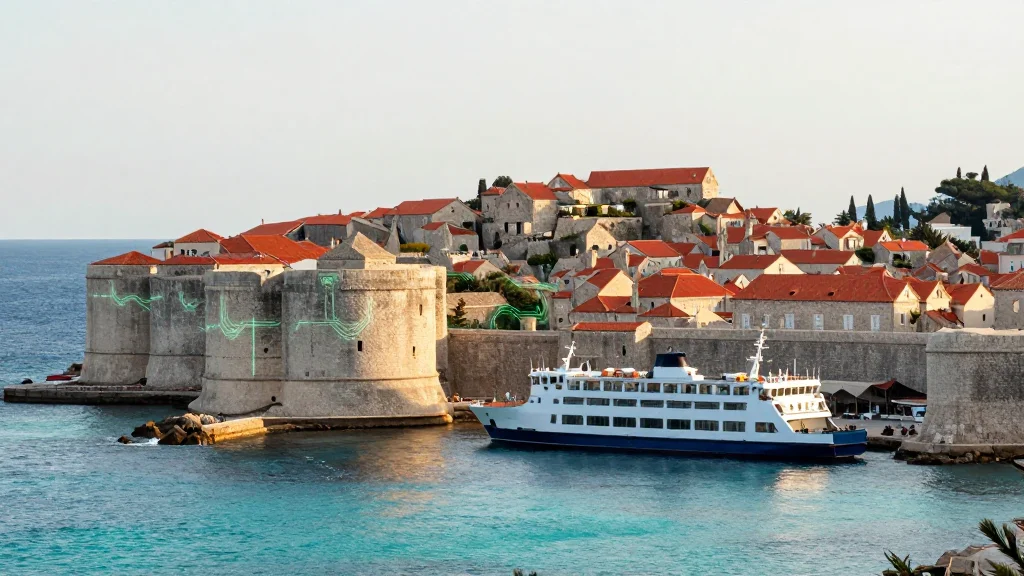
Dubrovnik Named Europe’s Green Pioneer of Smart Tourism for 2026

Why It Matters
Dubrovnik’s accolade underscores a pivotal shift in the travel industry: destinations are no longer able to rely solely on volume-driven growth. By embedding digital tools into sustainability plans, Dubrovnik demonstrates that protecting cultural assets and meeting climate goals can coexist with economic vitality. The city’s approach offers a replicable template for other heritage sites grappling with overtourism, suggesting that smart‑tourism solutions could become a new standard for European destinations. The recognition also signals to investors and technology providers that demand for eco‑smart infrastructure is rising. Companies developing sensor networks, renewable‑energy solutions, and visitor‑management platforms are likely to see increased interest from municipalities seeking to earn similar honors, potentially reshaping funding flows within the travel tech ecosystem.
Key Takeaways
- •Dubrovnik named Europe’s Green Pioneer of Smart Tourism for 2026
- •City uses sensors to monitor foot traffic and cap daily visitor numbers
- •Solar panels now supply 40% of municipal energy needs
- •Mobile app offers real‑time air‑quality data and low‑impact itineraries
- •Plans include AI‑driven predictive analytics and cruise‑ship carbon offsets
Pulse Analysis
Dubrovnik’s award arrives at a moment when European policymakers are tightening sustainability regulations for tourism. The city’s data‑centric model aligns with the EU’s Green Deal objectives, positioning it as a testbed for policy‑driven innovation. Historically, destinations that embraced technology early—such as Amsterdam’s bike‑share system—have reaped long‑term economic benefits, and Dubrovnik appears poised to follow that trajectory.
The competitive advantage lies in the city’s ability to monetize sustainability. By offering a differentiated visitor experience—real‑time environmental insights and curated low‑impact routes—Dubrovnik can attract higher‑spending, eco‑conscious travelers willing to pay a premium for responsible tourism. This could offset any revenue loss from visitor caps, creating a new revenue model based on quality rather than quantity.
Looking forward, the success of Dubrovnik’s initiative will hinge on scalability and stakeholder buy‑in. If local businesses see tangible benefits, the model could spread to other UNESCO sites across the Mediterranean. Conversely, resistance from operators fearing short‑term losses could stall adoption. The upcoming 2027 sustainability report will be a critical data point for investors, policymakers, and competitors assessing whether smart‑tourism can deliver on its promise of a greener, more resilient travel industry.
Dubrovnik Named Europe’s Green Pioneer of Smart Tourism for 2026
Comments
Want to join the conversation?
Loading comments...