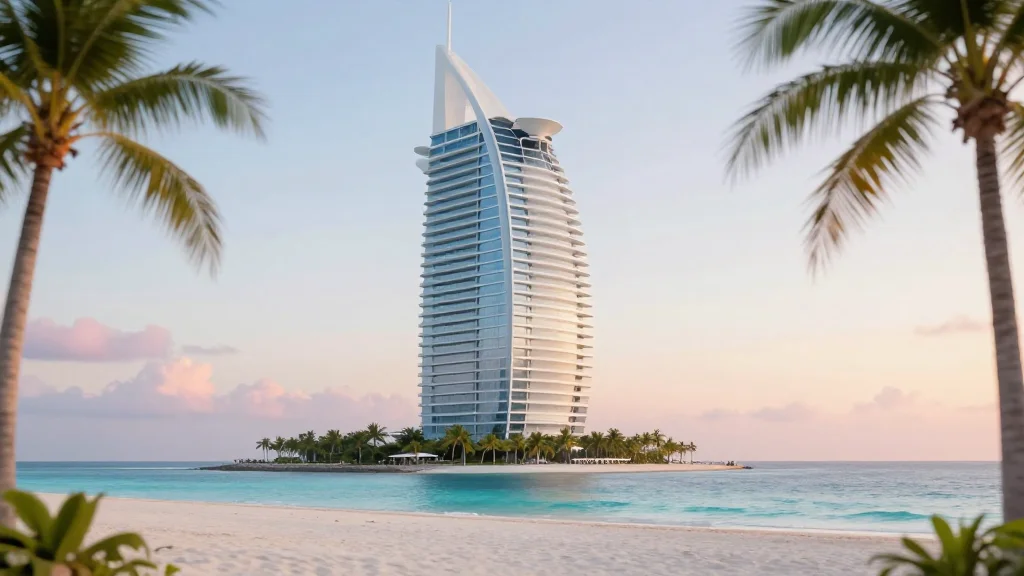
Dusit Ajara Hua Hin Anchors Thailand’s Push to Become a World‑class Resort City

Why It Matters
The launch of Dusit Ajara Hua Hin signals a shift in Thailand’s tourism strategy, moving from a seasonal beach destination to a year‑round, high‑value resort city. By coupling premium real‑estate with major infrastructure upgrades, the project could set a template for other secondary coastal markets seeking to attract affluent travelers and investors. The anticipated rise in property yields may also influence capital allocation decisions among global wealth managers looking for exposure to Asian leisure assets. Moreover, the development underscores the growing convergence of hospitality and residential real estate, where hotel brands leverage their service expertise to command higher returns on branded living spaces. If successful, this model could accelerate the integration of lifestyle‑focused amenities into traditional property offerings across the region.
Key Takeaways
- •Dusit Ajara Hua Hin unveiled 96 ultra‑luxury residences on 3.23 ha, promising 7‑9% investor yields.
- •CBRE Thailand reports branded assets outperform non‑branded peers by 50‑80% in Hua Hin.
- •Double‑track railway to be operational by end‑2026, linking Hua Hin directly to Bangkok.
- •M8 highway extension and Hua Hin airport expansion slated for 2027 enhance global connectivity.
- •The project integrates world‑class medical, education, golf, vineyard, arts, and retail amenities.
Pulse Analysis
Dusit Ajara Hua Hin arrives at a moment when Thailand is actively diversifying its tourism portfolio beyond Bangkok and Phuket. The city’s strategic location—just three hours from the capital—combined with the imminent rail and airport upgrades, creates a logistical advantage that few regional resorts can match. Historically, Thai beach towns have relied on seasonal influxes; Hua Hin’s infrastructure push aims to flatten that curve, encouraging year‑round high‑spending visitors and longer stays.
The 7‑9% yield promise is noteworthy because it reflects not just real‑estate appreciation but also the added value of hospitality services embedded in the residence model. This hybrid approach reduces vacancy risk and enhances cash flow stability, appealing to institutional investors accustomed to hotel REIT dynamics. If the brand premium holds, we could see a cascade of similar projects from other hotel chains seeking to monetize their brand equity in the residential sector.
Looking ahead, the success of Dusit Ajara will hinge on execution—both in delivering the promised amenities and in synchronizing with the infrastructure timeline. Delays in the rail or airport projects could dampen investor confidence, while oversupply of luxury units could compress yields. Nonetheless, the initiative positions Hua Hin as a test case for a new class of integrated resort‑city developments in Southeast Asia, and its performance will likely inform future policy and private‑sector collaborations across the region.
Dusit Ajara Hua Hin anchors Thailand’s push to become a world‑class resort city
Comments
Want to join the conversation?
Loading comments...