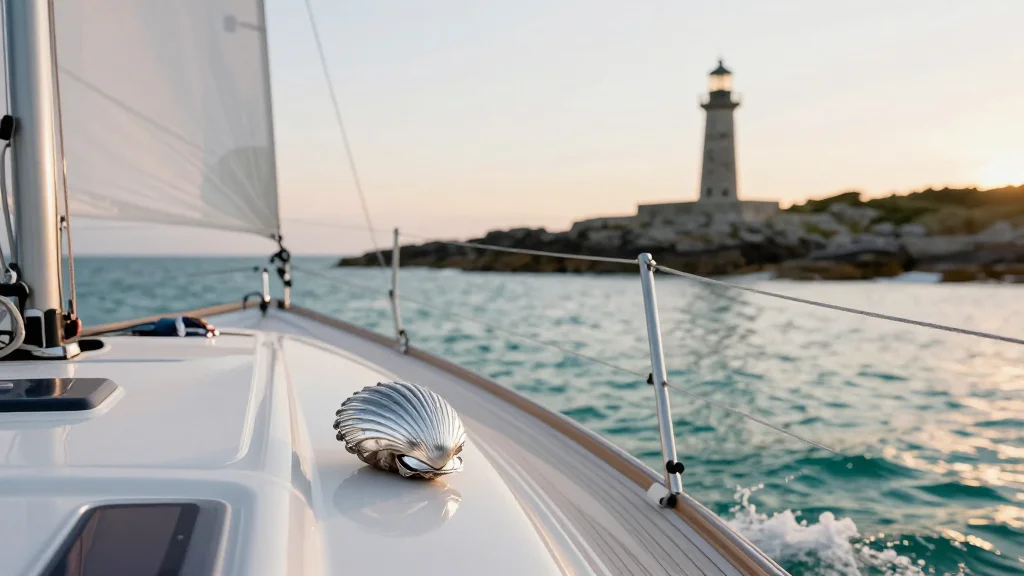
Eco‑Conscious Sailors Set Sail for Santiago De Compostela on 11th El Camino a Vela

Why It Matters
El Camino a Vela illustrates how pilgrimage tourism can evolve to meet modern sustainability expectations, offering a template for other heritage routes seeking to diversify their offerings. By integrating maritime travel, the initiative diversifies revenue streams for coastal towns, supports local economies, and raises awareness of marine conservation among a global audience. The model also demonstrates how limited‑capacity, high‑engagement experiences can balance growth with environmental stewardship, a critical consideration as tourism rebounds post‑pandemic. The venture signals a broader industry pivot toward niche, experience‑driven travel that blends cultural heritage with ecological responsibility. If successful, similar maritime pilgrimages could emerge across other historic routes, reshaping the way travelers engage with both land and sea heritage.
Key Takeaways
- •El Camino a Vela 2026 departs La Rochelle on June 5 and arrives in Santiago on June 27
- •Maximum of 15 boats, each must sail at least 100 nautical miles to qualify for the Compostela
- •Route includes 20+ historic ports from the French Atlantic coast to Spain’s Cantabrian shoreline
- •BluePath initiative introduces blue‑economy education and low‑impact sailing practices
- •Crew‑pool system expands access, matching newcomers with experienced sailors
Pulse Analysis
The launch of El Camino a Vela arrives at a moment when the travel industry is recalibrating around sustainability and experiential depth. Traditional pilgrimage routes like the Camino de Santiago have long capitalized on cultural and spiritual tourism; however, the sea‑based variant taps into a growing appetite for adventure travel that also carries an ethical dimension. By capping the fleet at 15 vessels, organizers sidestep the over‑tourism pitfalls that have plagued popular land routes, while still delivering a high‑value, story‑rich product that can command premium pricing.
From a market perspective, the initiative aligns with the rise of “slow travel,” where tourists prioritize quality interactions over sheer volume. The inclusion of the BluePath program adds an educational layer that differentiates the experience from generic sailing charters, positioning the pilgrimage as a conduit for marine conservation messaging. This could attract sponsorships from environmental NGOs and green brands, further diversifying revenue streams.
Looking ahead, the success of this edition could catalyze a wave of maritime pilgrimages across Europe’s historic waterways, from the Danube to the Mediterranean. Such expansions would require coordinated policy support to ensure that environmental safeguards keep pace with demand. For now, El Camino a Vela offers a compelling case study in how heritage tourism can be reinvented for a climate‑aware generation, marrying tradition with innovation without sacrificing the core spiritual essence that defines the Camino experience.
Eco‑Conscious Sailors Set Sail for Santiago de Compostela on 11th El Camino a Vela
Comments
Want to join the conversation?
Loading comments...