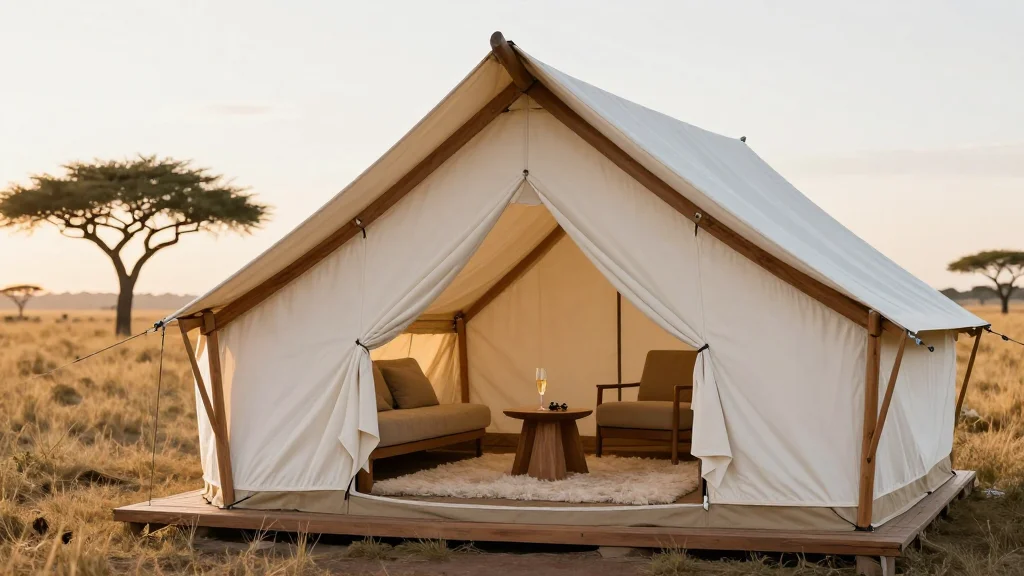
Elite Travelers Flock to Curated Solitude, Leaving Crowded Hotspots Behind

Why It Matters
The move toward curated solitude signals a fundamental reorientation of the high‑end travel market, where scarcity and exclusivity are becoming more valuable than sheer volume. For destinations, this trend offers a pathway to higher per‑guest revenue while reducing the environmental and social pressures associated with mass tourism. For the broader industry, it forces airlines, hotel chains and tour operators to innovate around private, sustainable experiences, reshaping product portfolios and investment strategies. Moreover, the shift aligns with growing consumer expectations for responsible luxury. Travelers are increasingly demanding that their experiences support conservation and local communities, turning sustainability from a niche concern into a core component of premium travel offerings. As elite tourists continue to prioritize low‑density, immersive destinations, the competitive advantage will belong to those who can deliver authentic, environmentally sound experiences at scale.
Key Takeaways
- •Namibia reports strong 2026 growth in luxury safari and desert‑lodging bookings.
- •Saudi Arabia expands premium cultural tourism infrastructure in Riyadh and Jeddah.
- •Vietnam’s “slow travel” trend drives demand for rural, community‑based itineraries.
- •Airlines add charter and private‑jet services to serve remote, low‑density destinations.
- •Sustainable luxury emerges as a key differentiator for elite travelers.
Pulse Analysis
The surge in demand for curated solitude reflects a broader post‑pandemic recalibration of consumer values. High‑net‑worth travelers, once drawn to iconic, crowded landmarks, now prioritize privacy, authenticity and environmental stewardship. This shift is not merely a fleeting preference; it is reshaping capital allocation across the travel value chain. Investors are redirecting funds from large‑scale resort expansions toward boutique properties that can command premium rates per night, while airlines are re‑configuring fleets to accommodate private charters and on‑demand flight services.
Historically, luxury tourism has oscillated between mass‑market appeal and exclusivity. The current wave mirrors the early 2000s rise of eco‑luxury, but with a stronger emphasis on low‑density experiences that mitigate overtourism. Destinations that successfully integrate conservation initiatives—such as Namibia’s wildlife‑focused lodges or Vietnam’s community‑led trekking programs—are likely to capture a larger share of elite spend. Conversely, markets that fail to protect the very solitude they market risk a rapid backlash, as affluent travelers are quick to shift preferences.
Looking forward, the competitive landscape will be defined by how quickly destinations can scale exclusive offerings without diluting the experience. The Red Sea luxury resorts in Saudi Arabia, for instance, must balance ultra‑high‑end amenities with genuine cultural immersion to avoid becoming another over‑crowded enclave. Meanwhile, technology will play a pivotal role: AI‑driven personalization can tailor itineraries to individual preferences, while blockchain‑based provenance can verify sustainability claims, adding credibility to luxury brands. In sum, curated solitude is poised to become a cornerstone of premium travel, driving a new era of sustainable, high‑value tourism that rewards both travelers and the environments they explore.
Elite Travelers Flock to Curated Solitude, Leaving Crowded Hotspots Behind
Comments
Want to join the conversation?
Loading comments...