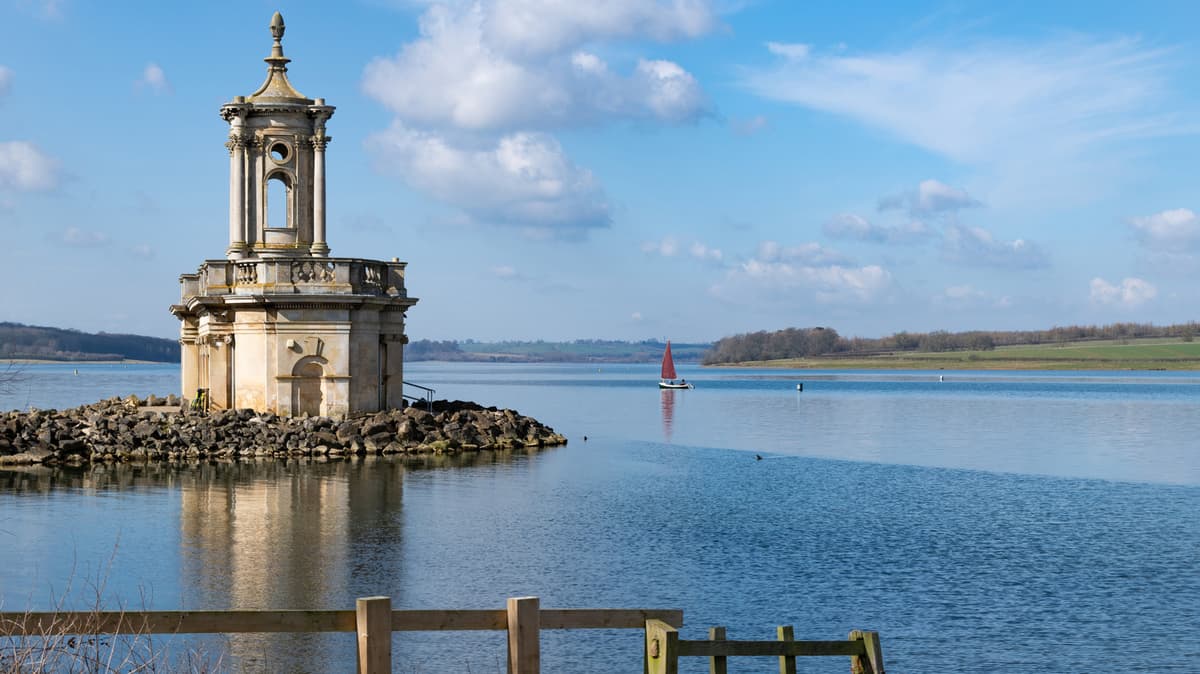
England's Largest Artificial Lake Is A Vacation Paradise With A Waterpark And A Nature Reserve
Why It Matters
The development blends recreation, conservation, and local economies, boosting visitor spending while protecting critical habitats in the UK’s biggest reservoir.
Key Takeaways
- •Rutland Water spans 3,100 acres, England’s largest reservoir.
- •1,000-acre nature reserve hosts up to 25,000 waterfowl.
- •Floating Aqua Park offers 30‑ft sea‑dragon obstacle for swimmers.
- •Inland beach earned Blue Flag for water quality.
- •15‑mile perimeter cycle route links recreation and wildlife viewing.
Pulse Analysis
Rutland Water’s sheer scale makes it a unique draw for domestic and international travelers seeking a coastal experience without leaving the countryside. The reservoir’s 3,100‑acre surface, framed by rolling farmland and historic villages, offers a backdrop that appeals to both leisure seekers and photographers. Its proximity to major transport hubs—Birmingham Airport and the historic city of Leicester—means visitors can reach the site within two hours, positioning the lake as a convenient alternative to crowded seaside resorts.
Beyond its visual appeal, the lake has been transformed into a multi‑activity playground. The inflatable Aqua Park, anchored on the northern arm, provides a novel water‑based adventure with a 30‑foot sea‑dragon obstacle and slide‑in‑water features, while the adjacent Rutland Watersports Centre delivers windsurfing, kayaking, and sailing year‑round. The inland beach at Sykes Lane, the first in England to earn a Blue Flag, guarantees high water quality and family‑friendly amenities, reinforcing the site’s reputation for safe, sustainable recreation. The 15‑mile cycling loop, which incorporates a segment through the nature reserve, encourages active tourism and connects visitors to the lake’s diverse ecosystems.
Ecologically, the 1,000‑acre nature reserve is a cornerstone of the project, turning a utilitarian water supply into a thriving wildlife sanctuary. Hosting up to 25,000 waterfowl and featuring 31 bird‑watching blinds, the reserve supports species such as ospreys and water voles, underscoring the lake’s role in biodiversity conservation. The integration of walking trails, cycling paths, and educational visitor centres creates a model where tourism revenue funds habitat management, illustrating how large‑scale infrastructure can coexist with environmental stewardship. As visitor numbers rise, Rutland Water is set to become a benchmark for balancing economic growth with ecological responsibility in the UK’s tourism sector.
England's Largest Artificial Lake Is A Vacation Paradise With A Waterpark And A Nature Reserve
Comments
Want to join the conversation?
Loading comments...