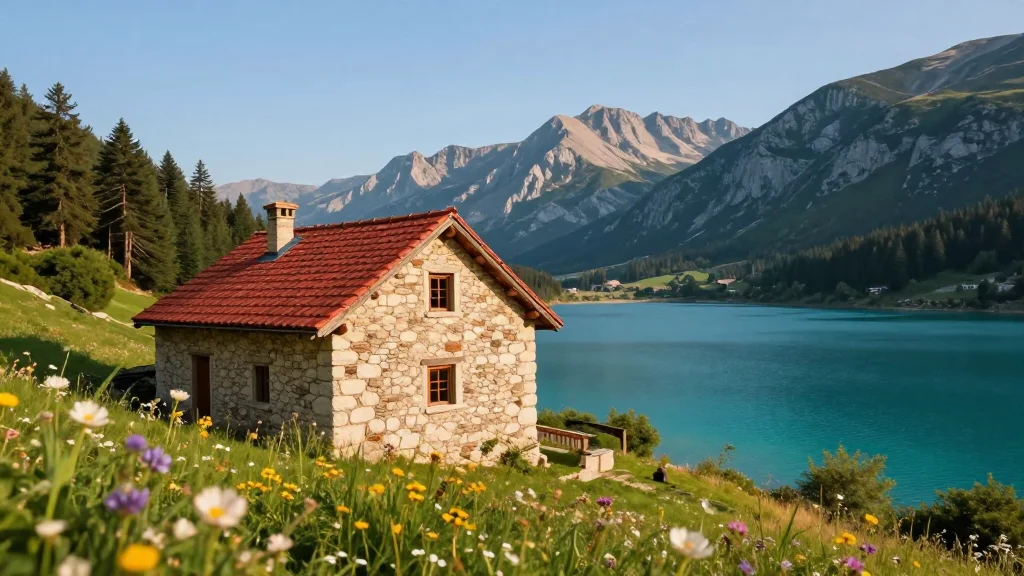
European Travelers Flee Crowded Capitals for Eco‑Friendly Spots in Croatia, Montenegro and Beyond

Why It Matters
The migration toward secondary eco‑destinations reshapes revenue streams across Europe, directing spending to smaller municipalities that have historically relied on agriculture rather than tourism. By easing pressure on iconic cities, the trend also helps preserve cultural heritage sites and natural landscapes that are vulnerable to overtourism. Moreover, the emphasis on sustainable travel aligns with broader EU climate goals, potentially reducing the carbon footprint of the continent’s tourism sector. If the shift sustains, it could redefine how European nations design tourism policies, prioritizing balanced regional development over the traditional focus on marquee attractions. This rebalancing may also inspire similar patterns in other regions worldwide, as travelers increasingly value authenticity and environmental stewardship.
Key Takeaways
- •Millions of Europeans are opting for secondary destinations over tier‑1 cities.
- •Croatia’s inland towns and Montenegro’s mountain parks report record visitor growth.
- •Governments are implementing caps and fees in crowded hotspots to steer traffic.
- •Norway, Sweden, Denmark and Malta are expanding eco‑tourism and heritage offerings.
- •EU climate and tourism policies are being aligned to support sustainable travel.
Pulse Analysis
The current wave of destination diversification reflects a maturing travel market that no longer equates popularity with desirability. Historically, European tourism has been anchored by a handful of iconic cities that commanded the majority of visitor spend. The present data suggest a pivot toward a more distributed model, where economic impact is spread across a broader geographic canvas. This not only mitigates the wear and tear on over‑visited sites but also creates new revenue pipelines for rural economies that can invest in preservation and local entrepreneurship.
From a competitive standpoint, nations that can quickly develop high‑quality, low‑impact infrastructure stand to capture a growing segment of affluent, environmentally conscious travelers. Croatia’s focus on boutique wineries and agritourism, and Montenegro’s investment in protected park access, illustrate how targeted niche offerings can differentiate a country in a crowded market. However, the rapid influx of tourists to previously quiet locales carries the risk of replicating the very overtourism problems these policies aim to solve. Effective visitor management, community engagement and transparent sustainability metrics will be essential to maintain the delicate balance.
Looking ahead, the success of this secondary‑destination surge will hinge on coordinated marketing, cross‑border travel facilitation and the ability of local providers to meet rising expectations for authentic, low‑impact experiences. If European tourism can embed sustainability into its core growth strategy, it may set a benchmark for global travel trends, encouraging other regions to adopt similar decentralised, eco‑focused models.
European Travelers Flee Crowded Capitals for Eco‑Friendly Spots in Croatia, Montenegro and Beyond
Comments
Want to join the conversation?
Loading comments...