Fewer Americans, But Many Chinese, in the Himalaya This Year
Why It Matters
The changing nationality mix directly affects Nepal’s high‑altitude tourism revenue and signals a broader realignment of global adventure travel amid geopolitical and cost pressures.
Key Takeaways
- •U.S. climbers on Nepal peaks fell 38% from 115 to 71
- •Chinese climbers lead 2026 season with 89 permits, up from 72
- •Total foreign climbers rose to 700, surpassing 632 last year
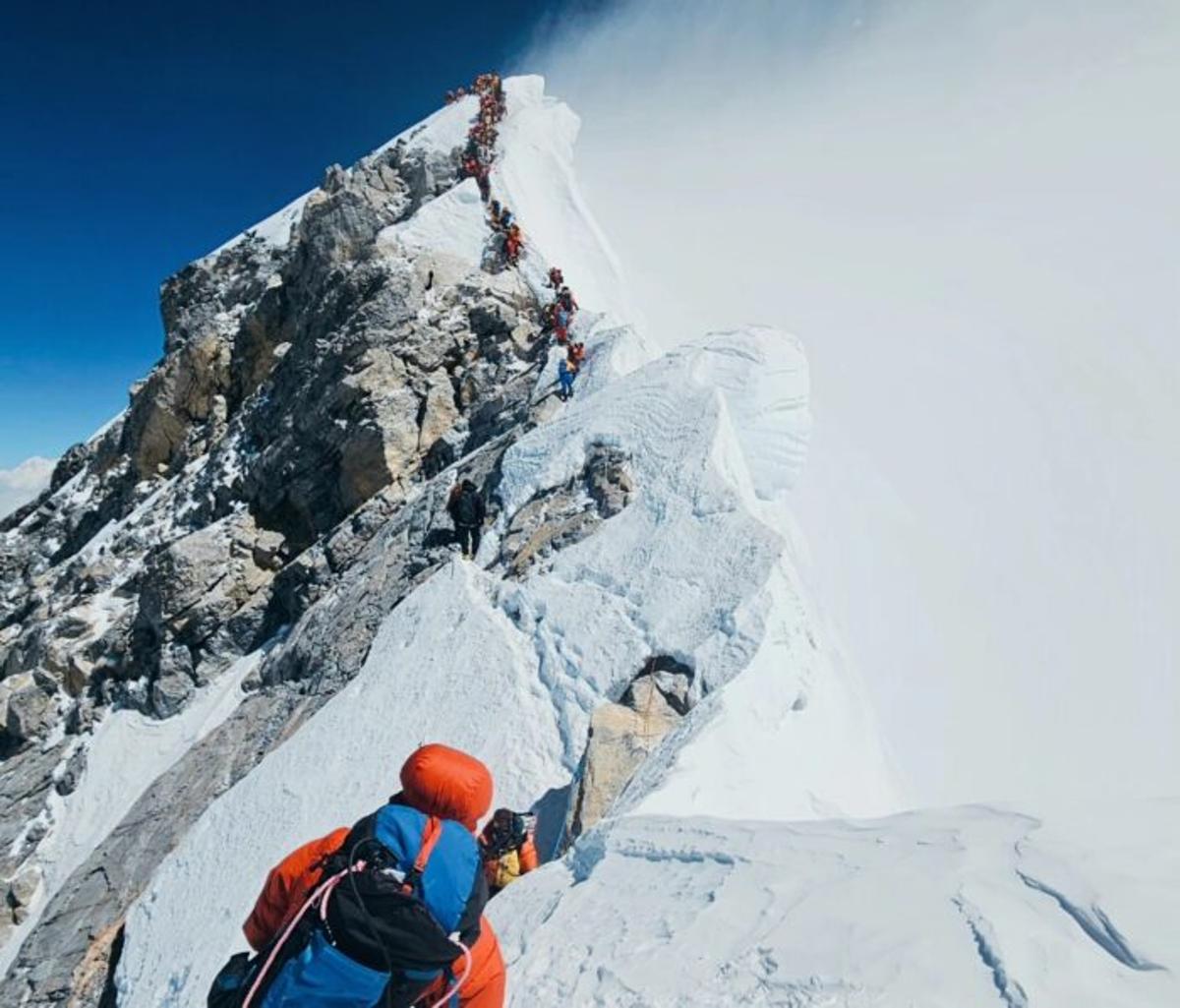
- •Express expeditions now account for 50% of Everest teams, double prior years
- •Flight disruptions and higher fuel costs deter U.S. and Indian trekkers
Pulse Analysis
China’s mountaineering momentum is reshaping the Himalayas. With 89 permits granted this spring, Chinese teams now outnumber any other nationality on Nepal’s 8,000‑meter giants. The surge is driven by coordinated expedition operators, government-backed tourism incentives, and a growing domestic appetite for high‑profile climbs. Meanwhile, U.S. participation has slumped dramatically, reflecting tighter air‑travel connections, rising fuel costs, and a strategic shift toward shorter, express-style ascents that reduce time on the mountain.
For Nepal’s economy, the demographic swing carries both risk and opportunity. Foreign climbers generate roughly $2,500 per permit, plus ancillary spending on guides, porters, and hospitality. A 38% drop in U.S. permits translates to an estimated $95,000 loss in direct revenue, while the Chinese increase adds roughly $220,000. Local Sherpa communities, which rely heavily on seasonal income, must adapt to new client expectations, language needs, and logistical preferences, prompting a re‑tooling of services and training.
The rise of express expeditions—now comprising half of Everest teams—signals a broader trend toward efficiency over traditional, multi‑week acclimatization. This model shortens the season, eases pressure on base‑camp infrastructure, but also raises concerns about safety and environmental impact. Nepal’s tourism authorities may need to recalibrate permit allocations, enforce stricter waste management, and negotiate airline routes to balance accessibility with sustainability. As global geopolitics continue to influence travel patterns, the Himalayas will likely remain a barometer for shifting adventure‑tourism dynamics.
Fewer Americans, But Many Chinese, in the Himalaya This Year
Comments
Want to join the conversation?
Loading comments...