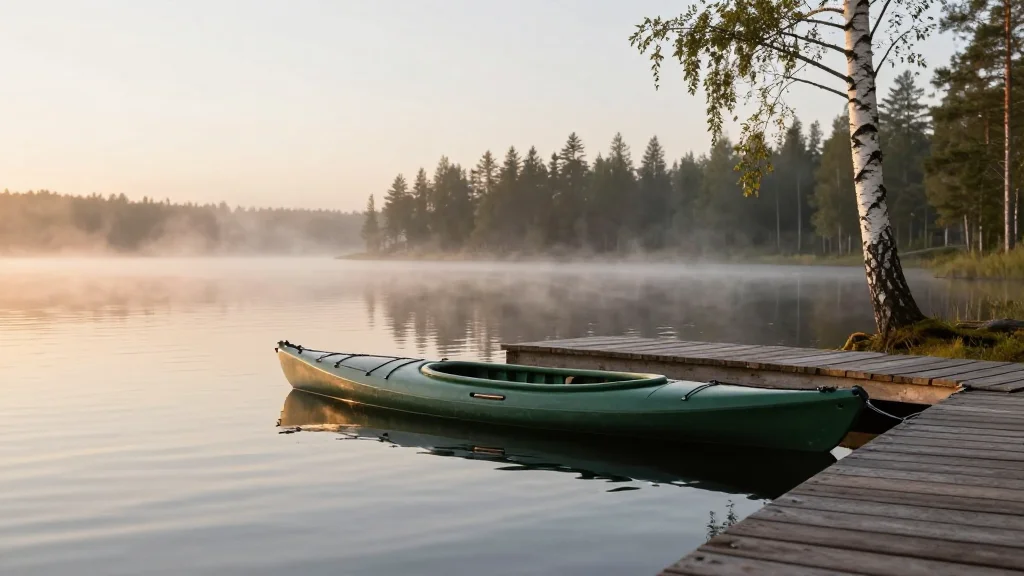
Finland and Finnish Lakeland Crowned Top Sustainable Travel Destinations for 2026‑27

Why It Matters
Finland’s recognition as the premier sustainable travel hotspot highlights a decisive shift in consumer preferences toward low‑impact, wellness‑focused journeys. This trend forces the broader travel industry to reconsider product design, moving away from high‑traffic, short‑term experiences toward longer, deeper engagements that prioritize environmental health and traveler well‑being. The ripple effect extends beyond Finland. As other nations vie for similar accolades, we can expect heightened investment in eco‑infrastructure, stricter visitor caps at fragile sites, and a surge in marketing that emphasizes emotional renewal. For policymakers and operators, the Finnish example offers a blueprint for aligning economic growth with climate goals, potentially reshaping tourism’s contribution to national GDPs while mitigating its ecological footprint.
Key Takeaways
- •Finland and Finnish Lakeland named top sustainable travel destinations for 2026‑27.
- •Twelve participants will join a week‑long wellness immersion in Finnish Lakeland in June 2026.
- •Global tourism has surpassed pre‑pandemic levels, driving demand for low‑impact experiences.
- •The rise of “quiet tourism” could shift revenue models toward premium, low‑density offerings.
- •Other countries such as Botswana, Rwanda and Costa Rica are also highlighted for eco‑tourism.
Pulse Analysis
Finland’s ascent reflects a maturation of the sustainability narrative that began as a niche concern in the early 2010s. Early adopters focused on carbon‑offset programs and green certifications; today, the emphasis has moved to holistic well‑being, where the destination itself becomes a therapeutic space. This evolution mirrors broader societal trends—post‑pandemic burnout, digital fatigue, and heightened climate awareness—creating a fertile market for destinations that can promise both ecological integrity and mental rejuvenation.
Historically, the travel industry has thrived on scale: mass‑market airlines, mega‑resorts and high‑traffic attractions drove growth. Finland’s model flips that script, suggesting that scarcity and depth can command higher margins. If the Finnish Lakeland pilot demonstrates measurable benefits—higher visitor spend per night, longer stays, and positive environmental impact—other regions will likely follow, leading to a fragmented but higher‑value market landscape. Traditional powerhouses such as France and Spain may need to diversify their portfolios, integrating more low‑density, nature‑based products to stay competitive.
Looking forward, the key variable will be replication. Finland benefits from a unique combination of abundant freshwater resources, low population density and a cultural brand built around happiness. Replicating that formula elsewhere will require tailored approaches that respect local ecosystems and cultural contexts. Nonetheless, the Finnish example sets a clear precedent: sustainable tourism is no longer a peripheral add‑on but a central driver of destination strategy, with the potential to reshape travel economics for the next decade.
Finland and Finnish Lakeland Crowned Top Sustainable Travel Destinations for 2026‑27
Comments
Want to join the conversation?
Loading comments...