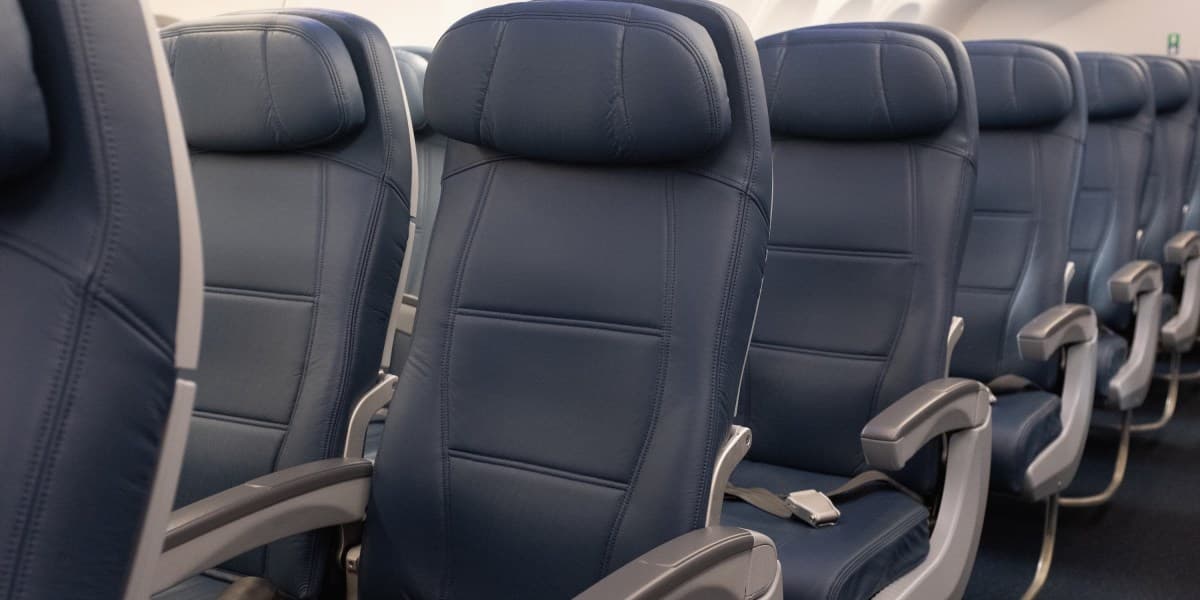
Flight Attendants Share the Game-Changing Tips to Make Your Plane Seat More Comfortable
•March 11, 2026
0
Why It Matters
Comfortable seating reduces travel‑related aches, improves passenger satisfaction, and can influence airline choice in a competitive market.
Key Takeaways
- •Smaller carry‑on frees legroom
- •Store essentials in seat‑back pocket
- •Adjust headrest flaps for side support
- •Use armrest lever for extra elbow space
- •Choose window seat for uninterrupted rest
Pulse Analysis
Airline cabins are engineered for durability, not passenger comfort, leaving economy travelers to contend with narrow seats, limited recline, and static postures that can trigger neck, back, and circulatory issues. Recent studies link prolonged seat confinement to deep‑vein thrombosis risk and chronic musculoskeletal strain, prompting airlines to market paid legroom upgrades. While these add‑on options generate ancillary revenue, they also highlight a growing consumer demand for ergonomic solutions that go beyond price‑based differentiation.
In response, seasoned flight attendants share low‑cost, high‑impact hacks that empower passengers to reclaim personal space without extra fees. Swapping bulky suitcases for vertical totes creates a foot‑clearance corridor, while stashing laptops and chargers in seat‑back pockets eliminates awkward reaching. Adjusting headrest flaps provides targeted cervical support, and the discreet arm‑rest lever lifts the side armrest for added elbow room. Selecting a window seat not only shields travelers from aisle traffic but also offers a solid surface for head‑rested naps, turning a standard seat into a quasi‑first‑class nook.
These insider tips intersect with broader industry trends toward passenger‑centric design. Airlines are experimenting with slimline seats, adjustable lumbar supports, and modular cabin layouts to address comfort complaints while preserving capacity. Meanwhile, savvy travelers who adopt the recommended packing strategies—noise‑cancelling headphones, memory‑foam cushions, and compact layers—can mitigate cabin temperature fluctuations and acoustic stress. By integrating ergonomic best practices into their travel routine, passengers enhance well‑being, maintain productivity, and potentially influence airline policies through collective demand for healthier, more comfortable flight experiences.
Flight Attendants Share the Game-Changing Tips to Make Your Plane Seat More Comfortable
0
Comments
Want to join the conversation?
Loading comments...