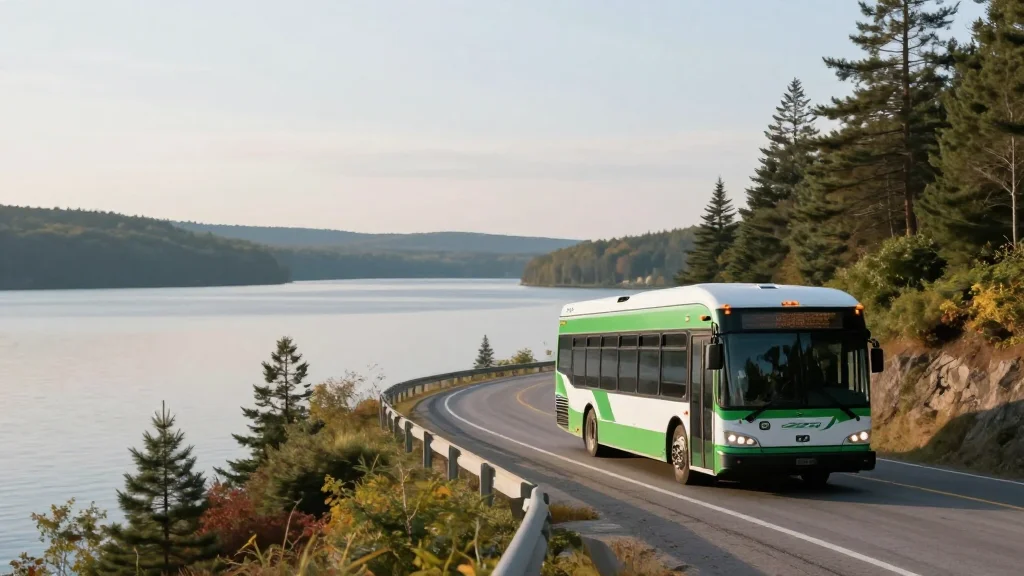
FlixBus Launches $10 (≈$7 USD) Trips From Toronto to Muskoka’s Cottage Country

Companies Mentioned
Why It Matters
The FlixBus launch addresses two pressing trends in travel: the surge in demand for affordable, short‑haul options and the push for greener, car‑free tourism. By offering sub‑$10 fares, the route lowers the barrier to entry for weekend trips, potentially increasing visitor spending in Muskoka’s small towns and supporting local economies that have struggled post‑pandemic. Moreover, shifting travelers from personal cars to high‑capacity buses reduces traffic congestion and emissions, aligning with provincial climate goals. If the service proves popular, it could inspire similar initiatives in other rural regions, prompting a reevaluation of how transportation infrastructure supports tourism development. The partnership also showcases how private operators and destination marketing organizations can co‑create solutions that blend mobility with curated experiences, a model that may become increasingly common as travelers prioritize value and sustainability.
Key Takeaways
- •FlixBus and Explorers' Edge start a seasonal route from Toronto to Muskoka on June 8, 2026.
- •One‑way tickets start at $9.98 CAD (≈$7 USD), making the trip among the cheapest intercity options.
- •Service runs Thursday‑Monday, covering Gravenhurst, Bracebridge, Huntsville, South River, North Bay, and Parry Sound Airport.
- •James Murphy, CEO of Explorers' Edge, highlighted transportation as a missing piece in rural tourism development.
- •The route aims to boost car‑free travel, support local economies, and could expand beyond Thanksgiving if demand rises.
Pulse Analysis
FlixBus’s entry into the Muskoka corridor reflects a strategic pivot toward niche, demand‑driven markets that larger carriers often overlook. Historically, intercity bus operators have focused on high‑density corridors between major cities; this move signals confidence that price‑sensitive leisure travelers represent a viable revenue stream when paired with targeted destination marketing. By collaborating with Explorers' Edge, FlixBus gains local expertise and the ability to bundle transportation with tourism products, a tactic that can increase ancillary revenue and deepen brand loyalty.
The pricing strategy—sub‑$10 fares—leverages economies of scale and the company’s European‑style hub‑spoke model, where low margins are offset by high volume. If the route fills seats consistently, it could set a benchmark for other Canadian regions seeking to revitalize tourism without heavy public subsidies. However, success hinges on reliable service, seamless connections to local attractions, and effective communication of the value proposition to both domestic and cross‑border travelers.
Looking forward, the partnership may serve as a template for public‑private collaborations aimed at bridging transportation gaps in rural Canada. As climate considerations become more central to travel planning, low‑emission bus services that offer convenience and affordability could reshape the competitive landscape, pressuring airlines and car‑rental firms to innovate or risk losing market share in short‑haul leisure segments.
FlixBus launches $10 (≈$7 USD) trips from Toronto to Muskoka’s cottage country
Comments
Want to join the conversation?
Loading comments...