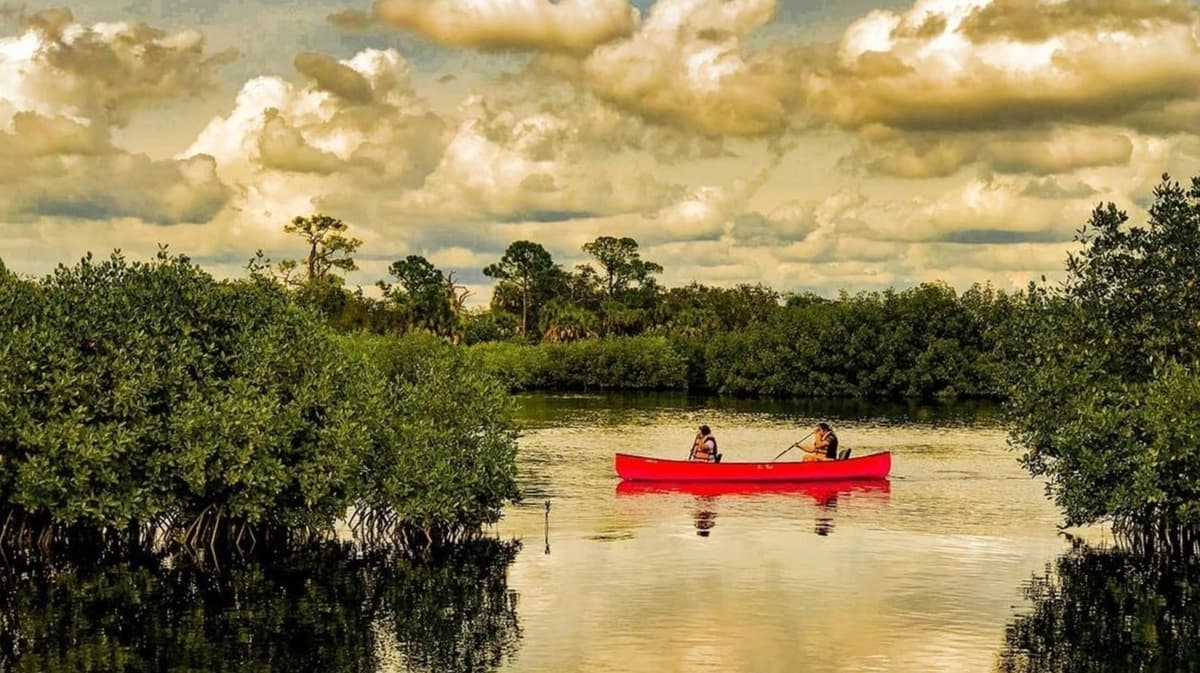
Florida's Gorgeous Park In Tampa Has Boardwalk Trails, Kayaking, And Wildlife Encounters
Companies Mentioned
Why It Matters
The park provides a low‑cost, nature‑rich escape for Tampa’s growing population, boosting local tourism while preserving critical coastal habitats. Its accessibility underscores the economic and health benefits of urban‑adjacent green spaces.
Key Takeaways
- •Park spans 2,000 acres; 600 acres open for public recreation
- •Three short wildlife‑named trails total under a mile each
- •Kayak rentals cost $25 for four hours, $10 per extra hour
- •Home to otters, manatees, dolphins, and threatened diamondback terrapins
Pulse Analysis
Tampa’s rapid urban growth has heightened demand for nearby natural retreats, and Upper Tampa Bay Conservation Park answers that call. Nestled on the northern shore of Old Tampa Bay, the preserve adds to the city’s network of nearly 200 parks, offering a rare blend of mangrove boardwalks, bird‑watching hotspots, and easy‑access water trails. As more residents seek weekend getaways without long drives, such hidden gems become essential for maintaining quality of life and attracting eco‑conscious visitors.
The park’s amenities are modest yet compelling: three short trails named after local fauna guide hikers through marshes and provide vistas of nesting ospreys, while two designated kayak routes let paddlers glide past otters, manatees, and occasional dolphins. Rental fees—$25 for four hours and $10 per additional hour—make water recreation affordable, and the $2 vehicle entrance supports park upkeep. These low barriers encourage repeat visits, generating steady micro‑tourism revenue that benefits nearby businesses, from bike shops to cafés, and reinforces Tampa’s reputation as a versatile outdoor destination.
Beyond recreation, Upper Tampa Bay plays a vital role in coastal conservation. The mangrove ecosystems act as natural storm buffers and carbon sinks, while the protected habitats support threatened species like the diamondback terrapin. By integrating public access with stewardship, the park exemplifies how municipalities can balance economic development with environmental responsibility, offering a model for other fast‑growing regions seeking sustainable growth. Continued investment in such spaces will likely amplify health benefits, foster community engagement, and preserve biodiversity for future generations.
Florida's Gorgeous Park In Tampa Has Boardwalk Trails, Kayaking, And Wildlife Encounters
Comments
Want to join the conversation?
Loading comments...