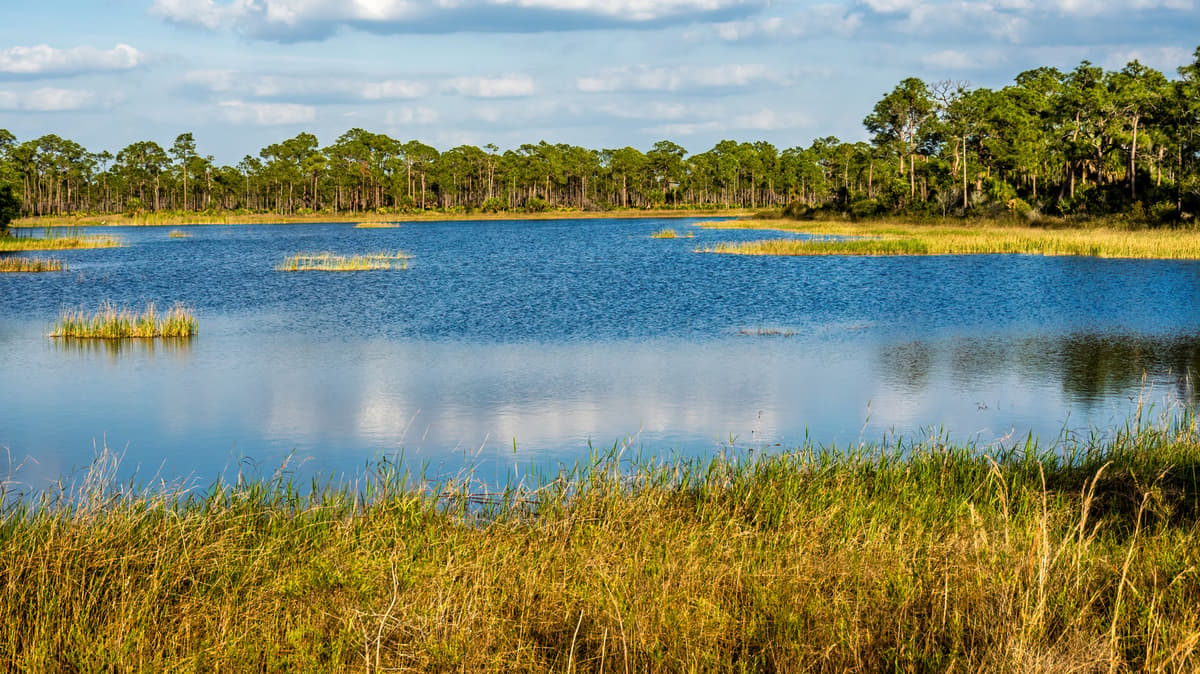
Florida's Oldest Wildlife Management Area Is A Fishing Paradise Near The Gulf Coast Full Of Trails
Why It Matters
The area balances habitat preservation with diverse outdoor recreation, driving local tourism while safeguarding critical ecosystems and endangered species in Southwest Florida.
Key Takeaways
- •85,000 acres managed by Florida Fish and Wildlife Commission
- •Day passes cost $3 per person, $6 per vehicle
- •Webb Lake offers catch‑and‑release largemouth bass fishing
- •Over 200 bird species, including red‑cockaded woodpecker, inhabit the area
- •37 miles of trails support biking, hunting, and equestrian use
Pulse Analysis
Florida’s network of wildlife management areas (WMAs) serves as a strategic buffer between fully developed parks and private lands, preserving large tracts of native habitat while remaining open to public use. The Fred C. Babcock/Cecil M. Webb WMA exemplifies this model, protecting a mosaic of pine flatwoods, marshes, and prairie that supports a rich biodiversity. By maintaining prescribed burns and native replanting, the Florida Fish and Wildlife Conservation Commission ensures ecological resilience, which is increasingly vital as climate pressures intensify across the Gulf Coast region.
Recreationally, the WMA is a magnet for anglers, birders, hunters, and outdoor enthusiasts. Webb Lake’s 400‑acre surface hosts a thriving bass population that must be released, encouraging sustainable fishing practices. The 37 miles of paved and dirt trails accommodate cyclists, off‑road hunters, and equestrians, creating a multi‑season draw that fuels local economies in Punta Gorda and nearby Fort Myers. The presence of a supervised shooting range and regulated hunting seasons adds a controlled, revenue‑generating component that funds conservation efforts while offering safe, skill‑building opportunities for sport shooters.
Looking ahead, the area’s proximity to major transport hubs—Interstate 75, Fort Myers International Airport, and Punta Gorda Regional Airport—positions it for continued growth in eco‑tourism. However, balancing visitor influx with habitat protection will require vigilant management, especially for sensitive species like the red‑cockaded woodpecker and Florida bonneted bat. Ongoing investment in infrastructure, such as low‑impact camping sites and educational kiosks, can enhance visitor experience without compromising the WMA’s core conservation mission, ensuring the region remains a premier outdoor destination for years to come.
Florida's Oldest Wildlife Management Area Is A Fishing Paradise Near The Gulf Coast Full Of Trails
Comments
Want to join the conversation?
Loading comments...