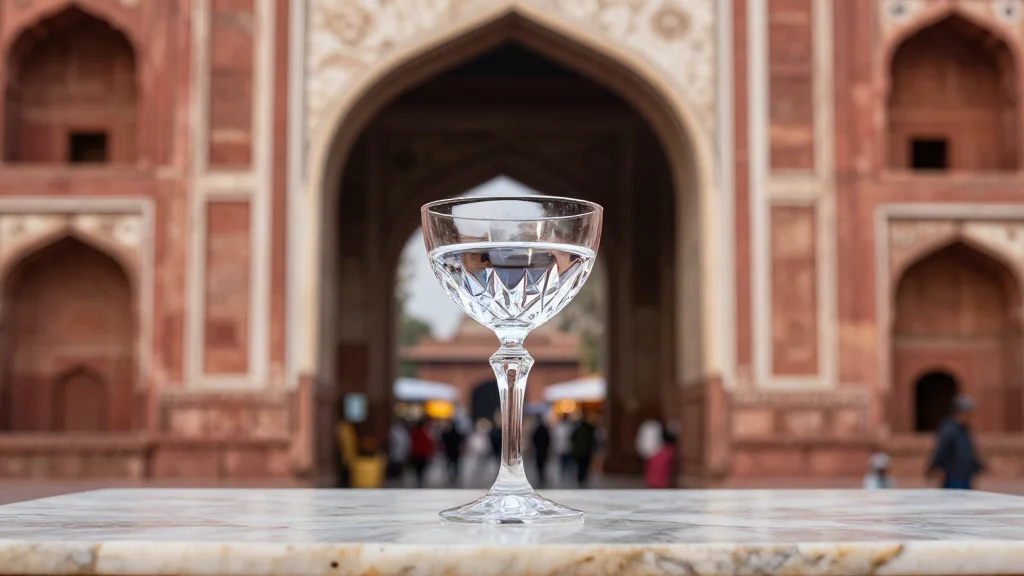
Footloose in Delhi: Where Medieval and Modern Coexist
Why It Matters
The heritage‑modern fusion generates substantial tourism revenue and opens avenues for tech‑driven visitor experiences, positioning Delhi as a benchmark for cities seeking growth without sacrificing history.
Key Takeaways
- •Chandni Chowk merges Mughal heritage with modern bars and restaurants
- •Street food culture fuels a multi‑billion‑rupee informal economy
- •Heritage tourism contributes heavily to Delhi’s $30 billion annual travel revenue
- •Urban planners balance preservation with new commercial developments
- •Digital guides and AR apps enhance visitor engagement in historic lanes
Pulse Analysis
Delhi’s tourism engine is powered by its ability to juxtapose centuries‑old monuments with contemporary amenities. Chandni Chowk, the heart of Old Delhi, draws millions of footfalls each year, converting cultural curiosity into measurable economic activity. Heritage sites such as the Jama Masjid and Red Fort not only preserve national identity but also anchor a multi‑billion‑rupee hospitality sector that includes boutique hotels, fine‑dining restaurants, and vibrant night‑life venues. This synergy between the past and present makes the city a magnet for high‑spending travelers and domestic explorers alike.
Modern entrepreneurs are capitalizing on this blend by integrating digital tools into the visitor journey. Mobile apps offering augmented‑reality tours, real‑time translation, and cashless payments streamline the experience for tech‑savvy tourists. Street‑food vendors, traditionally operating in cash‑only environments, are increasingly adopting QR‑code payments, expanding their reach to international diners. These innovations not only boost transaction volumes but also generate valuable data on consumer preferences, enabling targeted marketing and dynamic pricing strategies across the hospitality ecosystem.
For urban planners and investors, Delhi presents a case study in managing growth while safeguarding cultural assets. The city’s regulatory bodies are crafting policies that incentivize adaptive reuse of heritage structures, encouraging developers to embed modern amenities without eroding historic character. This approach attracts foreign direct investment in heritage‑focused projects, ranging from luxury hotels to cultural‑tech startups. As other global metros grapple with similar preservation‑development tensions, Delhi’s evolving model offers actionable insights into fostering sustainable economic expansion anchored in cultural authenticity.
Footloose in Delhi: Where medieval and modern coexist
Comments
Want to join the conversation?
Loading comments...