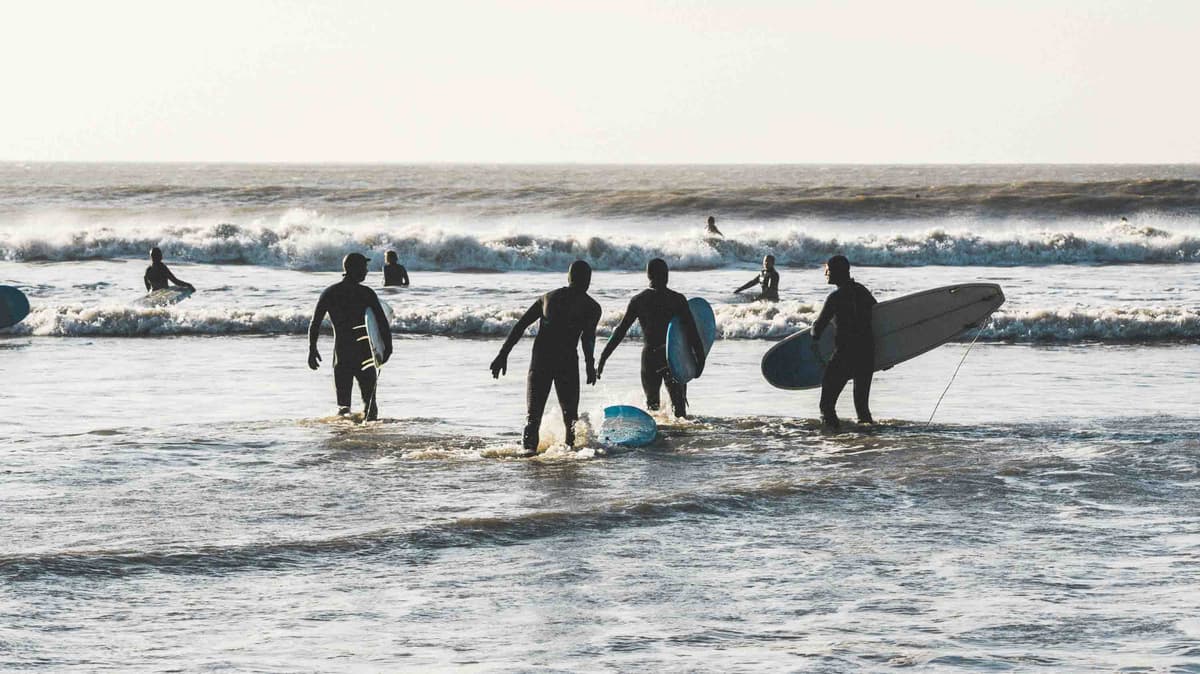
For Decades, Surfers Have Traveled for the Perfect Wave. But How Has Surf Tourism Changed and What’s the Impact on the Communities They Visit?
Why It Matters
Surf tourism generates vital off‑season revenue for coastal economies while highlighting sustainability gaps that, if unaddressed, could erode the very waves that attract visitors.
Key Takeaways
- •Surf tourism fuels coastal economies but can widen local inequality
- •Jeffreys Bay’s wave quality declines amid beachfront development
- •Mentawai Surf Tax now $130 for two‑week trips
- •Plastic pollution threatens Pacific surf destinations like Bali
- •Wave parks grow, yet authentic surf travel still dominates
Pulse Analysis
The rise of surf tourism mirrors broader trends in experiential travel, where digital tools replace the old‑school cargo‑ship wanderers. Google Earth, social media surf‑spot maps, and affordable charter services have democratized access to remote breaks, turning once‑obscure reefs into global hotspots. At the same time, purpose‑built wave pools in places like Spain and Dubai showcase how engineering can replicate ocean dynamics, attracting beginners and sponsors while preserving the allure of natural swells for seasoned riders.
Economic stakes are high for host communities. In South Africa, Jeffreys Bay draws international surfers who inject cash into hotels, restaurants, and local surf schools, yet rapid construction and a nearby shantytown underscore stark wealth gaps. Indonesia’s Mentawai Regency introduced a $130 surf tax in 2024 to channel visitor spending into village infrastructure and waste management, a model now echoed in Fiji, Brazil, and the Maldives. Grassroots initiatives such as Girls Surf Too and Black Girls Surf aim to broaden participation and address historic exclusion, proving that surf culture can be a catalyst for social change.
Environmental pressures threaten the industry’s long‑term viability. Rising sea levels have yet to reshape premier breaks, but plastic debris now blankets many Pacific coastlines, rendering once‑pristine reefs unsurfable during rainy seasons. Climate‑linked storm patterns also shift swell windows, prompting surfers to seek new locations and intensifying pressure on fragile ecosystems. Sustainable practices—taxes, community‑led clean‑ups, and renewable‑energy surf camps—are emerging as essential safeguards, ensuring that the pursuit of the perfect wave remains both economically rewarding and ecologically responsible.
For decades, surfers have traveled for the perfect wave. But how has surf tourism changed and what’s the impact on the communities they visit?
Comments
Want to join the conversation?
Loading comments...