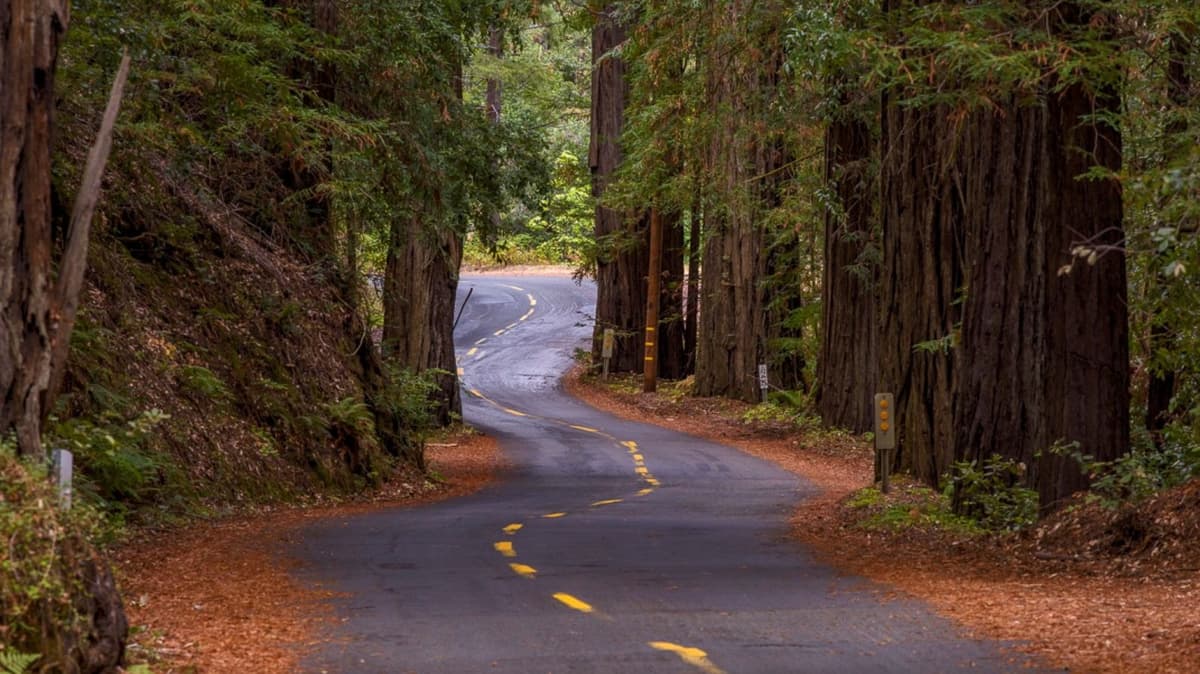
Forget Redwoods National Park, Visit California's Remote State Reserve With Towering Trees And Untouched Beauty
Why It Matters
The reserve’s strict protection model demonstrates how private‑land easements can preserve biodiversity while contributing to climate mitigation, offering a template for similar ecosystems under pressure from development.
Key Takeaways
- •Mailliard Reserve spans 242 acres within 15,000‑acre ranch
- •Reserve protects 159 plant and wildlife species, including endangered salmon
- •No facilities; visitors must self‑serve and use 4WD for access
- •Easement safeguards old‑growth redwoods, boosting carbon storage
- •Receives far fewer than 1.2 million visitors, offering solitude
Pulse Analysis
Redwood tourism in Northern California has surged, with Redwoods National and State Parks recording roughly 1.2 million visits annually. This influx strains infrastructure and raises concerns about habitat fragmentation. Mailliard Redwoods State Natural Reserve provides a contrasting experience: a compact, 242‑acre sanctuary that remains largely off the radar, allowing visitors to encounter towering trees without the crowds that dominate the more famous parks. Its remote location, accessed via a modest pull‑off on Highway 128, appeals to adventure‑seeking travelers seeking authentic wilderness.
The reserve’s conservation easement, established when the Mailliard family donated the land in 1954, prohibits commercial logging and secures long‑term carbon sequestration. Old‑growth redwoods, some exceeding 300 feet in height and 2,000 years old, act as massive carbon sinks, contributing to regional climate goals. Moreover, the protected watershed supports 28 miles of waterways vital for endangered coho salmon and steelhead, while the surrounding ranch hosts 159 species of flora and fauna, including northern spotted owls and golden eagles. This integrated approach showcases how private land stewardship can deliver biodiversity benefits and climate resilience.
For the local economy, Mailliard’s low‑impact tourism generates modest revenue for nearby towns like Ukiah and Cloverdale, which benefit from ancillary services such as dining, lodging, and wine tourism. The reserve’s minimal infrastructure reduces maintenance costs while preserving its pristine character. As outdoor enthusiasts increasingly seek uncrowded destinations, the reserve may see gradual visitation growth, prompting careful management to balance access with preservation. Continued emphasis on Leave No Trace principles and potential partnership with regional tourism boards could enhance visitor education while safeguarding the ecosystem for future generations.
Forget Redwoods National Park, Visit California's Remote State Reserve With Towering Trees And Untouched Beauty
Comments
Want to join the conversation?
Loading comments...