France Leads 2026 Heritage Travel Rankings, Surpassing Peru and Spain

Why It Matters
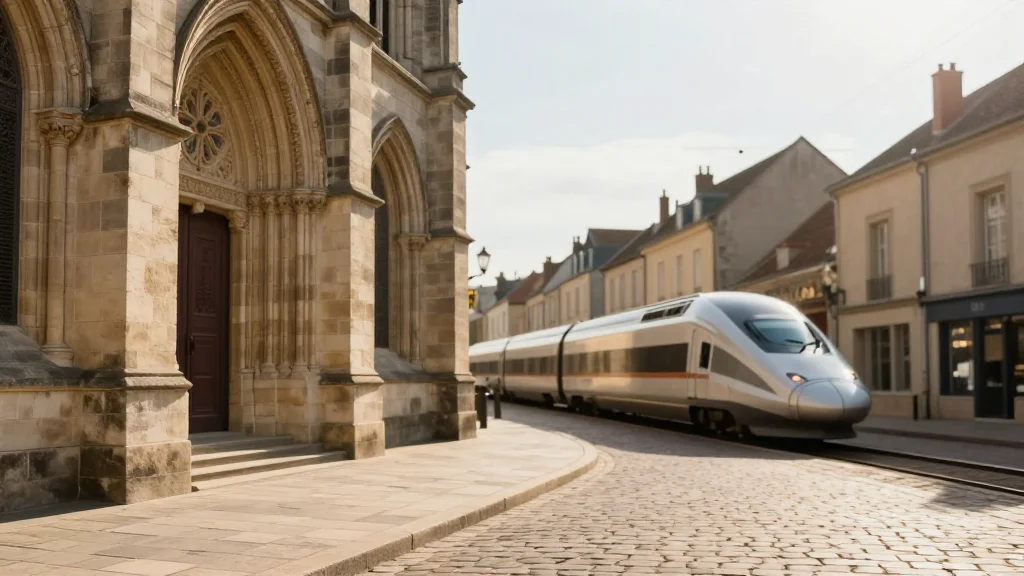
France’s rise to the top of heritage travel rankings signals a broader shift in global tourism toward culturally immersive experiences. As travelers prioritize authenticity over mass‑market leisure, destinations with deep historical assets stand to capture higher spending and longer stays, reshaping revenue models for the industry. The French example also illustrates how strategic infrastructure—particularly high‑speed rail—can amplify a country’s heritage appeal, offering a template for other regions seeking to leverage cultural assets for economic growth. The trend also raises policy questions around sustainable tourism management. While heritage tourism can drive economic revitalization, it can also strain fragile sites and local communities. France’s forthcoming measures on visitor caps and preservation funding will be closely watched as potential best‑practice guidelines for balancing growth with conservation worldwide.
Key Takeaways
- •France tops TTW Picks 2026 heritage travel list, overtaking Peru, Spain, Saudi Arabia, Egypt and Germany
- •The country boasts over 50 UNESCO World Heritage sites and a dense high‑speed rail network
- •Heritage tourism drives longer stays and higher per‑visitor spending, according to the European Travel Commission
- •AI‑powered travel discovery and virtual heritage promotion are accelerating demand for cultural destinations
- •France is planning visitor‑cap and preservation initiatives to manage overtourism risks
Pulse Analysis
France’s leadership in heritage tourism reflects a convergence of cultural capital and transportation infrastructure that few competitors can match. Historically, heritage destinations relied on iconic monuments to attract visitors, but the digital age has amplified the storytelling power of these sites. AI‑driven recommendation engines now surface niche attractions alongside marquee landmarks, expanding the geographic spread of tourist flows and reducing pressure on single hotspots. France’s proactive modernization of museums and adaptive reuse of historic buildings positions it to benefit from this algorithmic boost, turning cultural depth into a scalable economic engine.
From a competitive standpoint, the overtaking of Peru and Spain underscores a pivot from traditional “must‑see” destinations toward a more nuanced hierarchy where connectivity and curated experiences matter as much as the sites themselves. Countries lacking integrated rail or digital tourism strategies may find themselves sidelined despite comparable heritage assets. The European Travel Commission’s data on rising spend for immersive experiences suggests that the premium travelers are willing to pay for curated, story‑rich itineraries will continue to grow, rewarding destinations that can bundle heritage with gastronomy, local crafts and sustainable practices.
Looking forward, the sustainability challenge will dominate the discourse. France’s upcoming visitor‑cap policies could set a precedent for managing the delicate balance between economic gain and preservation. If successful, they may inspire a new regulatory framework for heritage tourism globally, where capacity limits, dynamic pricing and community‑led stewardship become standard tools. The next TTW Picks release will test whether France can sustain its lead or if emerging markets, armed with digital promotion and infrastructure upgrades, will reshuffle the rankings once again.
France Leads 2026 Heritage Travel Rankings, Surpassing Peru and Spain
Comments
Want to join the conversation?
Loading comments...