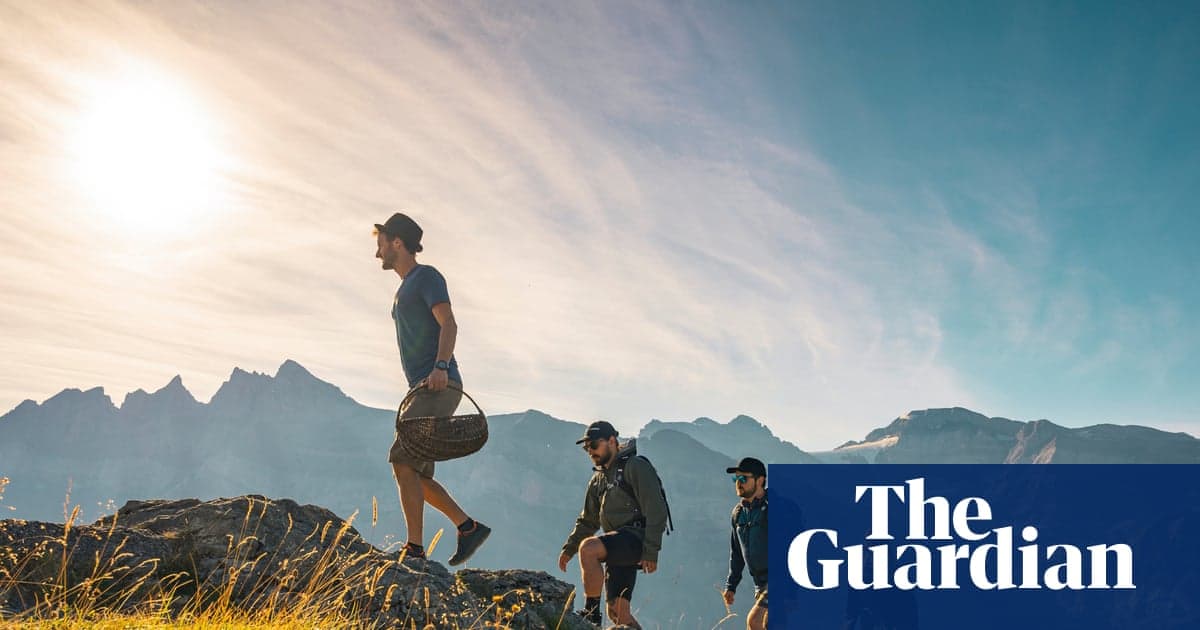
From Gentle Strolls to Zipline Thrills: Summer Hiking in the Swiss Alps
Why It Matters
The shift toward summer alpine tourism diversifies revenue for Swiss mountain communities and reduces reliance on the winter ski calendar. Higher‑spending visitors extend the economic season for hotels, guides, and ancillary services.
Key Takeaways
- •Saas‑Fee offers car‑free village charm with ski‑lift summer access
- •Guided via ferrata in Sass‑Fee Alpine Canyon adds adventure tourism
- •Britannia Hut charges CHF 98 (~$107) per night, full board
- •WellnessHostel 4000 spa day costs CHF 34.40 (~$38) for visitors
- •Summer hikes boost local economies beyond traditional winter ski season
Pulse Analysis
Switzerland’s high‑altitude resorts are repurposing winter infrastructure to capture the growing demand for summer alpine experiences. Saas‑Fee, a car‑free village famed for its ski lifts, now markets guided via ferrata routes, zip‑line descents, and glacier‑side hikes that appeal to adventure‑seeking travelers from Europe and North America. The availability of gondolas and cable cars enables hikers to reach remote huts like the century‑old Britannia Hut without specialized equipment, while still offering authentic mountaineering challenges such as 40‑metre abseils and high‑altitude snowfields.
The economic ripple effect is significant. A day pass to the WellnessHostel 4000 spa costs CHF 34.40, roughly $38, while half‑board accommodation at the Britannia Hut runs CHF 98 (~$107) per night for non‑SAC members. These price points translate into higher per‑guest spend than typical summer lodging, supporting local guides, mountain restaurants, and transport operators. The influx of tourists during the traditionally quiet summer months extends cash flow for hotels, alpine huts, and ancillary businesses, helping mountain communities mitigate the seasonality that has long defined the Alpine economy.
Looking ahead, the Swiss tourism board is investing in sustainable trail maintenance and digital booking platforms to streamline the visitor experience. Operators are emphasizing eco‑friendly practices, such as helicopter‑free supply chains for huts and renewable‑energy‑powered spa facilities, to preserve the fragile alpine environment. As climate patterns shift and winter snow reliability becomes uncertain, the strategic pivot to summer hiking positions the Swiss Alps as a resilient, year‑round destination for high‑value tourism.
From gentle strolls to zipline thrills: summer hiking in the Swiss Alps
Comments
Want to join the conversation?
Loading comments...