From Western Australia to Arizona: The Best Destinations for Dark Sky Tourism
Why It Matters
The sector diversifies tourism revenue streams while promoting conservation of dark‑sky environments, positioning regions as premium experiential destinations.
Key Takeaways
- •Dark sky tourism projected $400 M global market by 2030
- •Tucson pioneered light‑pollution ordinances, becoming industry benchmark
- •Western Australia’s remote towns attract stargazers, boosting local economies
- •Luxury lodges add Indigenous storytelling to enhance night‑sky experiences
- •Growth driven by 10% annual increase and rising traveler demand
Pulse Analysis
The rapid rise of dark‑sky tourism reflects a broader shift toward experiential travel that values natural phenomena over traditional attractions. Analysts estimate the niche will generate roughly $400 million in revenue by 2030, fueled by a 10% compound annual growth rate and increasing consumer appetite for low‑impact, high‑value experiences. Travelers are willing to pay premium rates for access to pristine night skies, especially when combined with luxury accommodations, guided astrophotography, and cultural narratives that deepen the sense of place.
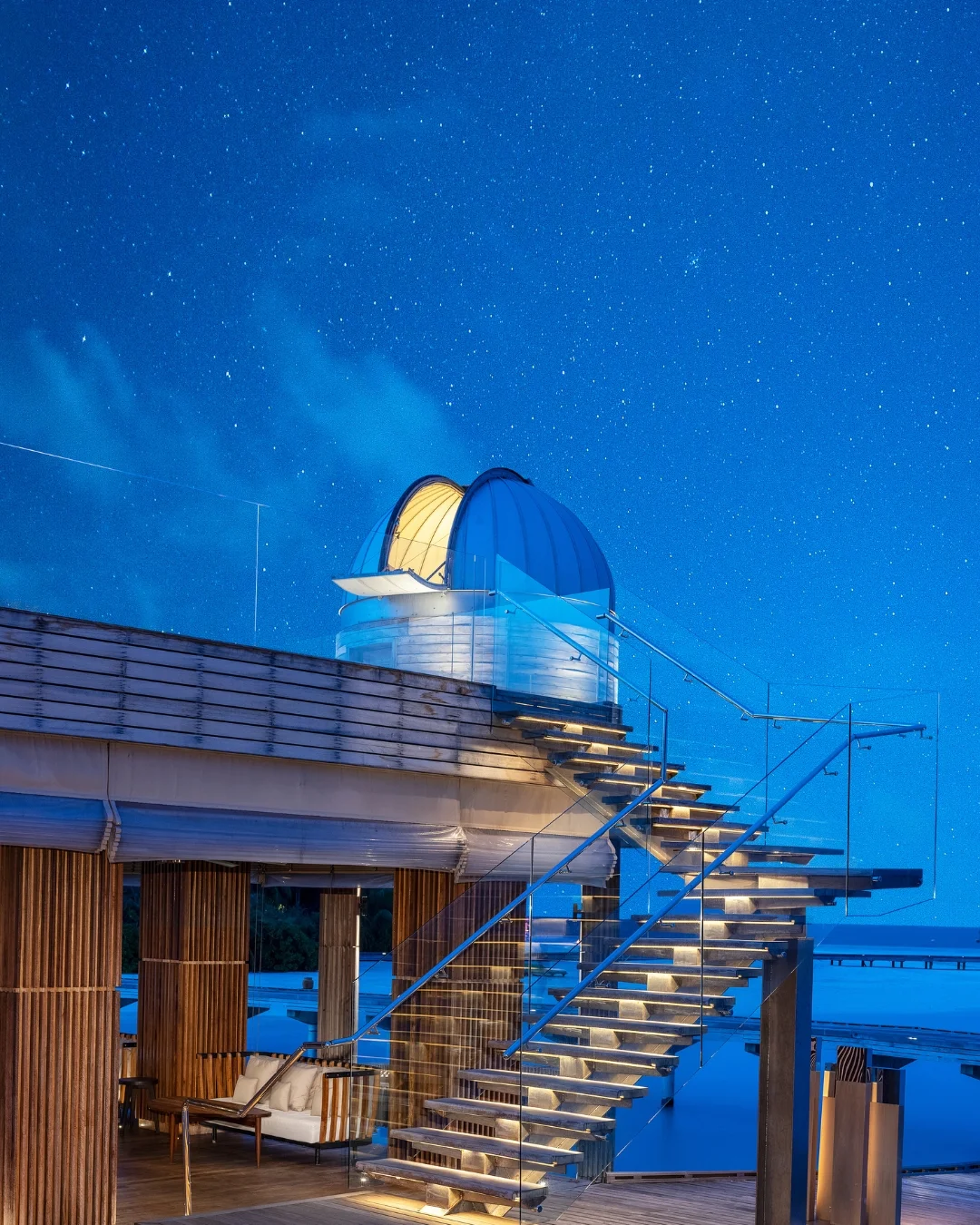
Key destinations illustrate how the market is maturing. Tucson, Arizona, remains the benchmark after adopting city‑wide lighting ordinances in the early 1970s, and its nearby Saguaro National Park earned Urban Night Sky Place status. Across the Southern Hemisphere, Western Australia’s Wheatbelt towns, Shark Bay and the luxury lodges of Orpheus Island are converting isolation into economic opportunity. Meanwhile, high‑end resorts in the Maldives, Kenya’s Elewana Loisaba Star Beds, and Iceland’s Hotel Rangá blend stargazing with bespoke services—research‑grade telescopes, over‑water observatories, and Indigenous storytelling—to differentiate their offerings.
For the tourism industry, dark‑sky experiences present a sustainable growth vector. By preserving low‑light environments, destinations protect biodiversity and reduce carbon footprints associated with night‑time lighting. The model also encourages investment in infrastructure—such as dedicated viewing platforms, planispheres and guided tours—that can be leveraged year‑round. As climate‑concerned travelers seek authentic, nature‑centric adventures, regions that safeguard their night skies are poised to capture a lucrative share of the evolving travel market.
From Western Australia to Arizona: the best destinations for dark sky tourism
Comments
Want to join the conversation?
Loading comments...