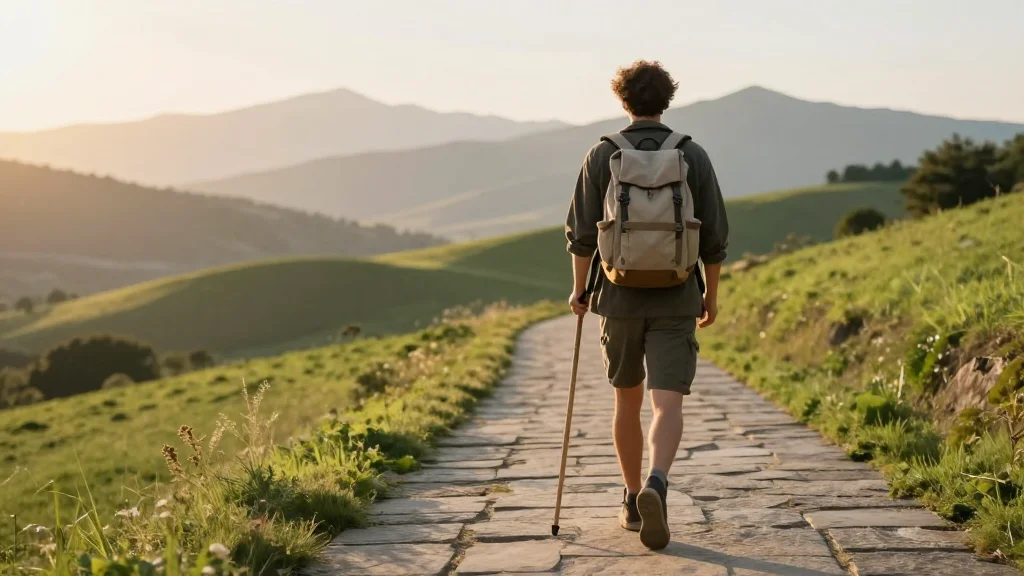
Gen Z Swaps Party Trips for Wellness Walks, Driving Slow‑Travel Surge

Why It Matters
The shift toward wellness walking holidays signals a fundamental reallocation of travel spend from high‑margin nightlife venues to lower‑margin, experience‑driven services. For destinations, this means a need to develop sustainable infrastructure and protect natural assets that attract these travelers. For investors, companies that can demonstrate credible carbon‑offset programs and deliver curated, health‑focused itineraries are poised for growth. Furthermore, the trend highlights a broader cultural transformation: younger consumers are demanding that leisure activities align with personal values, especially around mental health and environmental stewardship. Travel brands that fail to integrate these priorities risk losing relevance with a demographic that will dominate the market for the next two decades.
Key Takeaways
- •Gen Z prioritizes mental‑health‑focused travel over traditional party vacations
- •Camino Frances now sees nearly 250,000 pilgrims annually
- •Walking holidays are the fastest‑growing segment within wellness travel
- •Orbis Ways adds new European trail routes and offsets trip emissions
- •Travel operators must pivot to low‑impact, experience‑centric offerings
Pulse Analysis
Gen Z’s travel reorientation is more than a fleeting fad; it reflects a generational recalibration of risk, reward, and responsibility. Historically, travel boomed after each major economic upturn, with youth spending gravitating toward high‑energy, social experiences. The pandemic disrupted that pattern, forcing a collective pause that amplified concerns over burnout and climate impact. As a result, the new travel model emphasizes depth over breadth, favoring longer stays that embed travelers in local ecosystems.
From a competitive standpoint, legacy hospitality brands that have built their identity around nightlife and all‑inclusive resorts face an existential challenge. Their assets—large pools, nightclubs, and mass‑market marketing—are misaligned with the emerging demand for quiet, nature‑based experiences. Conversely, boutique operators, adventure outfitters, and wellness startups are uniquely positioned to capture market share by offering modular, customizable packages that blend physical activity, mindfulness, and sustainability.
Looking forward, the integration of digital tools—AI‑driven itinerary planners, virtual reality trail previews, and blockchain‑based carbon credit tracking—will deepen Gen Z’s engagement while preserving the offline ethos they cherish. Companies that can marry technology with authentic, low‑impact experiences will likely set the standard for the next decade of travel. The sector’s ability to adapt quickly will determine whether it can harness the purchasing power of a generation that defines luxury as the freedom to unplug and heal.
Gen Z Swaps Party Trips for Wellness Walks, Driving Slow‑Travel Surge
Comments
Want to join the conversation?
Loading comments...