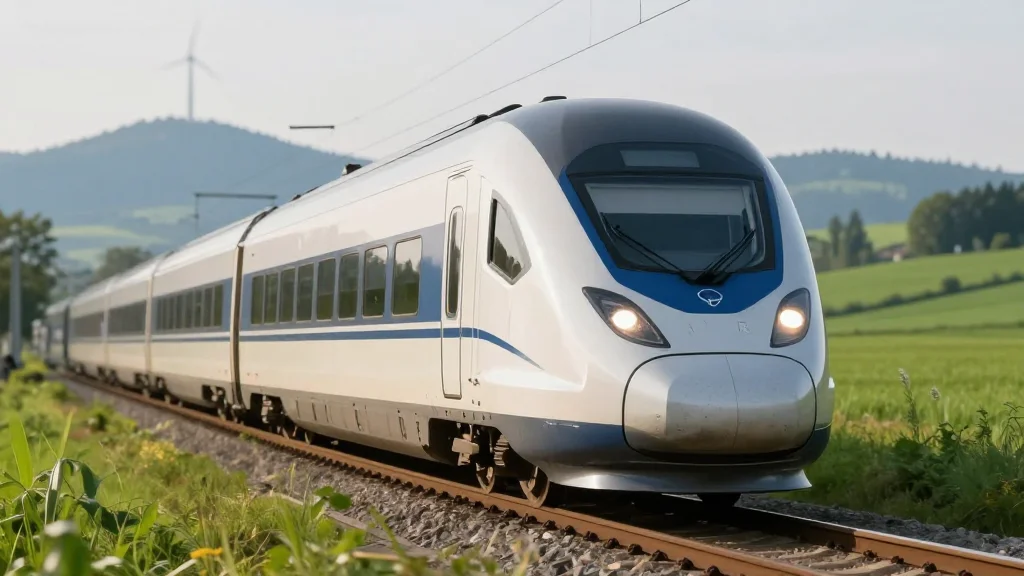
Germany Overhauls Tourism with Sustainable Rail, Nature Focus

Why It Matters
The German initiative sets a benchmark for how a major economy can align tourism with climate objectives, offering a template for other nations grappling with overtourism and carbon emissions. By integrating rail infrastructure, regenerative projects and cultural programming, Germany aims to preserve its heritage sites while fostering new revenue streams from eco‑conscious travelers. If successful, the model could reshape European tourism policy, encouraging cross‑border rail corridors and joint sustainability certifications. Conversely, failure to shift traveler habits could reinforce the dominance of air travel and undermine broader EU climate targets, highlighting the high stakes of this policy‑driven experiment.
Key Takeaways
- •Germany targets €86 bn ($93 bn) in travel spending for 2026, a 3% increase YoY.
- •34% of tourists now prioritize natural landscapes over urban attractions.
- •Rail and electric‑vehicle infrastructure are central to the new tourism narrative.
- •Major festivals—including Berlin’s Carnival of Cultures and Hamburg’s Rave The Planet—are being marketed as low‑carbon events.
- •A nationwide “green ticket” bundling rail travel with eco‑accommodation discounts launches in Q3 2026.
Pulse Analysis
Germany’s sustainability‑first tourism strategy reflects a broader shift in the travel industry, where environmental credentials are becoming as decisive as price or convenience. Historically, European destinations have relied on mass‑market air travel to fuel visitor numbers, but rising climate awareness and regulatory pressure are forcing a recalibration. By leveraging its world‑class rail network, Germany can offer a credible alternative to short‑haul flights, potentially reducing domestic aviation emissions by an estimated 15% if rail uptake matches promotional targets.
The emphasis on regenerative tourism—where visitors actively contribute to conservation—signals a move beyond “do no harm” toward a value‑added model that could command premium pricing. Early adopters, such as the Black Forest volunteer projects, may attract higher‑spending niche travelers, offsetting any dip in volume from reduced car‑centric trips. However, the persistence of road trips suggests cultural inertia; German motorists value flexibility, and the EV charging rollout must keep pace to convert this preference.
Internationally, Germany’s approach could catalyze a competitive response from neighboring countries. France, Italy and the Netherlands are already piloting green‑ticket schemes, and a coordinated European rail tourism passport could emerge, amplifying cross‑border travel while meeting EU climate goals. The real test will be data: tracking rail ticket sales, carbon footprints per visitor and visitor satisfaction will determine whether the “neo‑green” branding translates into lasting market share gains. If the metrics prove positive, Germany may not only preserve its cultural assets but also set a new profitability paradigm for sustainable tourism.
Germany Overhauls Tourism with Sustainable Rail, Nature Focus
Comments
Want to join the conversation?
Loading comments...