Getting to Theodore Roosevelt National Park
Companies Mentioned
Why It Matters
Understanding access points, road conditions, and nearby services is essential for safe travel planning and supports the regional tourism economy that depends on park visitation.
Key Takeaways
- •South Unit accessed via I‑94 exits 24‑27 in Medora
- •North Unit reached via U.S. 85 north of Belfield
- •Elkhorn Ranch requires 4WD on final three miles
- •Bismarck Airport is nearest major gateway for visitors
- •Medora and Watford City provide fuel, EV, lodging
Pulse Analysis
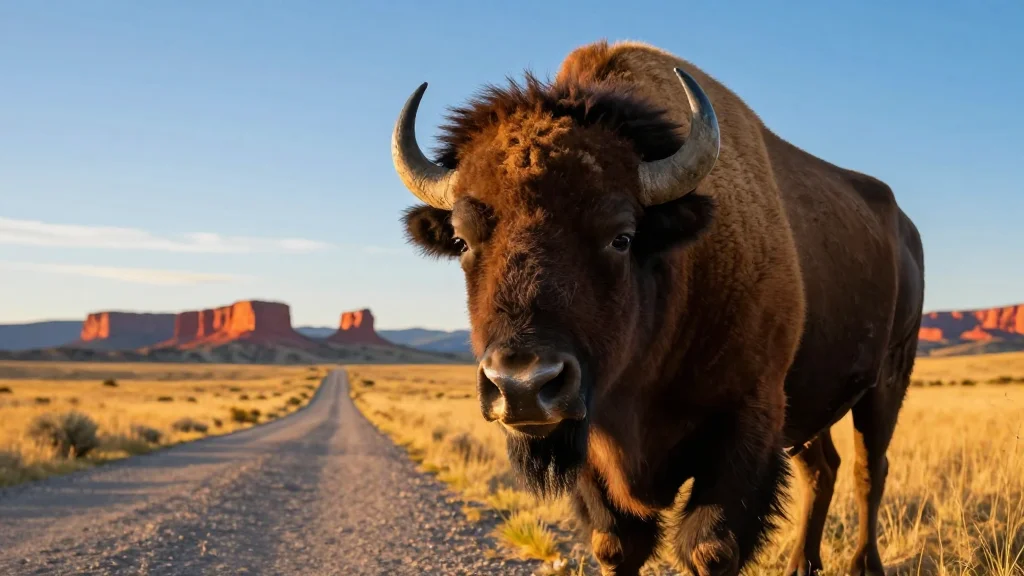
Theodore Roosevelt National Park’s tri‑unit layout creates distinct visitor experiences across North, South and the rugged Elkhorn Ranch. While the South Unit draws the bulk of tourists with its historic town of Medora and iconic Badlands scenery, the North Unit offers expansive prairie vistas near Watford City. The Elkhorn Ranch, preserved as a tribute to Roosevelt’s homestead, remains the park’s most isolated segment, accessible only via gravel roads that can become impassable without a capable vehicle. This geographic separation shapes how travelers allocate time and resources, influencing overall visitation patterns.
Travel logistics hinge on Bismarck Municipal Airport, the closest commercial hub offering United, Delta, American and Allegiant flights. From Bismarck, a 2‑hour drive on Interstate 94 brings visitors to Medora’s South Unit entrance, while the North Unit requires a further 50‑mile northward trek on U.S. 85. Both gateway towns—Medora and Watford City—have become critical service nodes, supplying gasoline, electric‑vehicle charging stations, groceries, dining and lodging. The rise of EV adoption makes the availability of chargers a growing consideration for park‑goers, prompting regional planners to expand infrastructure along these corridors.
The park’s accessibility directly fuels the economies of western North Dakota. Medora’s hospitality sector, from boutique hotels to guided tours, relies heavily on South Unit traffic, while Watford City benefits from North Unit visitors and its status as an oil‑field service center. Seasonal fluctuations in park attendance can ripple through local employment, tax revenues, and small‑business viability. As travel trends favor outdoor recreation, the park’s management and state tourism boards are investing in clearer signage, digital navigation tools, and road‑maintenance programs to sustain and grow visitor numbers while preserving the natural landscape that defines Theodore Roosevelt National Park.
Getting to Theodore Roosevelt National Park
Comments
Want to join the conversation?
Loading comments...