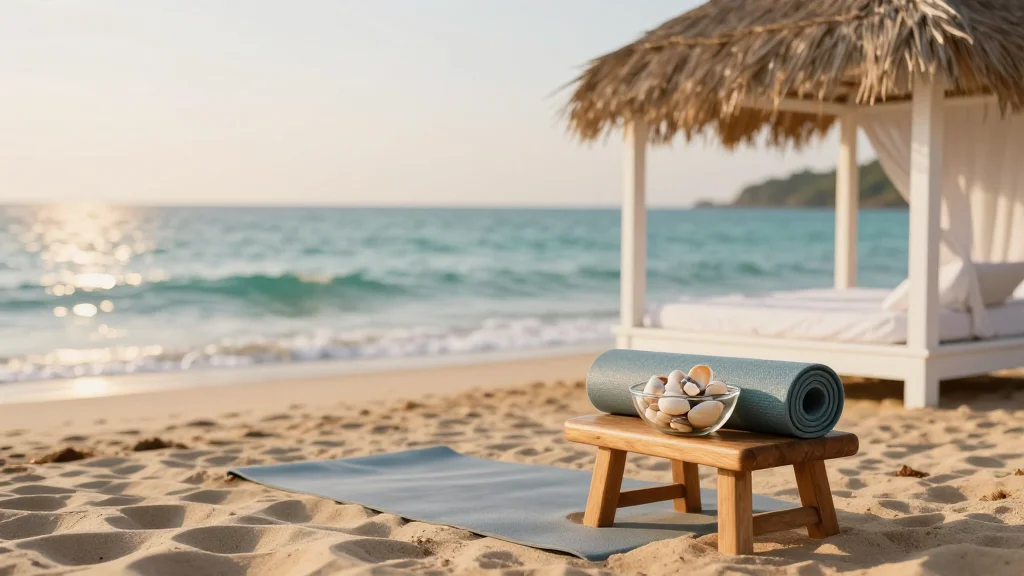
Goa Launches Year-Round Tourism Drive Centered on Wellness, MICE and Culture

Why It Matters
Goa's year‑round tourism agenda addresses a chronic challenge for Indian coastal states: the sharp dip in visitor numbers during the monsoon and off‑season months. By creating a diversified portfolio that includes wellness and business travel, the state hopes to stabilize revenue streams for hotels, transport operators and ancillary service providers. The move also signals a broader shift in India's tourism strategy toward higher‑margin segments, potentially raising the country's share of global tourism spend. Beyond economics, the plan raises questions about sustainable development. Balancing increased visitor density with environmental stewardship will be critical, especially as Goa grapples with water scarcity and coastal erosion. The success of this initiative could set a template for other Indian states seeking to move beyond seasonal tourism models.
Key Takeaways
- •Goa's tourism ministry announced a year‑round strategy focused on wellness, MICE and cultural experiences.
- •The plan includes incentives for conference venues, development of wellness zones and a calendar of heritage festivals.
- •State aims to reduce seasonal visitor volatility and capture higher‑value tourism spend.
- •First wellness retreats expected to launch within six months; an international MICE summit planned for late 2026.
- •Strategy aligns with India's national push to grow wellness and business travel segments.
Pulse Analysis
Goa's pivot to a 365‑day tourism model reflects a maturation of India's travel ecosystem, moving away from the traditional beach‑centric narrative toward a more nuanced value proposition. Historically, Indian coastal states have struggled with off‑season revenue gaps, forcing businesses to either downsize staff or rely on domestic short‑haul trips. By courting wellness tourists—who typically spend 30‑40 % more per night than leisure travelers—and MICE organizers, Goa is targeting segments that are less price‑elastic and more resilient to macroeconomic shocks.
The timing is strategic. Global wellness tourism is on a steep growth trajectory, driven by post‑pandemic health consciousness, while the MICE market is rebounding as corporations resume in‑person events. Goa's existing airport capacity and relatively low cost base give it a competitive edge over pricier hubs like Singapore or Dubai for mid‑scale conferences. However, the state's ability to deliver on infrastructure promises—particularly reliable broadband, sustainable water management and transport connectivity—will determine whether the strategy translates into sustained demand.
If Goa can successfully blend its cultural heritage with modern wellness and business amenities, it could become a blueprint for other Indian states seeking to diversify their tourism economies. The key will be balancing growth with preservation, ensuring that the influx of high‑spending visitors does not erode the very cultural and natural assets that make Goa attractive in the first place.
Goa Launches Year-Round Tourism Drive Centered on Wellness, MICE and Culture
Comments
Want to join the conversation?
Loading comments...