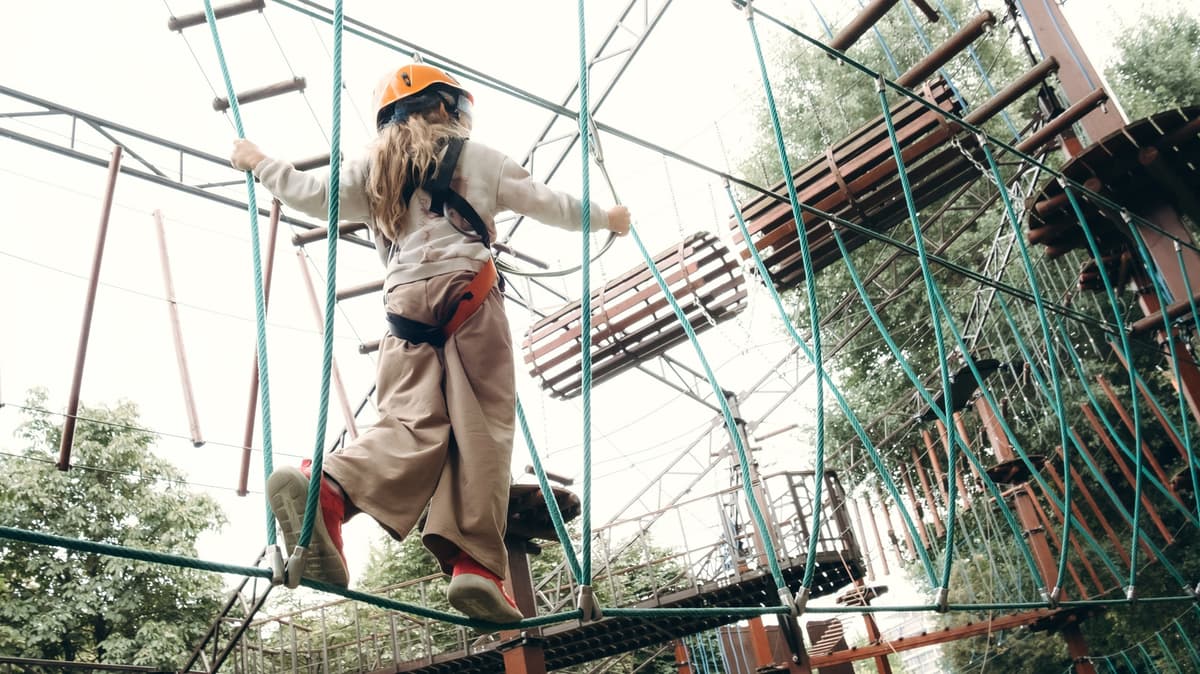
Goodbye Busy Waterparks, This Nature-Filled Alternative Is Taking Over Vacations
Companies Mentioned
Why It Matters
The shift signals growing demand for experiential, eco‑friendly tourism, prompting investors and operators to prioritize adventure‑park development and creating new revenue streams for regional economies aligned with wellness‑travel trends.
Key Takeaways
- •Adventure park spending up 18% per Visa travel data.
- •U.S. aerial parks estimated 200‑450 in 2010, now growing.
- •Adirondack Extreme, first U.S. public adventure park, opened 2007.
- •ZipQuest and Highlands Aerial Park nominated USA Today 2026 top 10.
- •Book ahead, dress appropriately, and search “adventure park near me”.
Pulse Analysis
The travel industry is in the midst of an experiential renaissance, as post‑pandemic travelers prioritize activities that combine physical engagement with natural scenery. Data from Visa Business and Economic Insights reveals an 18 % increase in spending on adventure parks, underscoring a broader shift away from manufactured attractions like water parks toward experiences that promise a “digital detox” and measurable health benefits. This trend dovetails with the rise of wellness tourism, where consumers allocate a larger share of vacation budgets to outdoor pursuits that stimulate both mind and body.
U.S. adventure‑park supply has kept pace with demand. Outside Magazine reported roughly 200‑450 aerial parks a decade ago; today the count is likely well above 500, bolstered by new entrants in states such as New York, North Carolina, Virginia, Florida, and Hawaii. Flagship sites—Adirondack Extreme, the nation’s first public adventure park, and ZipQuest Waterfall and Treetop Adventure, a 2026 USA Today top‑10 nominee—illustrate how operators are leveraging local landscapes to create high‑margin, low‑overhead attractions. Municipalities benefit from increased tourism spend, job creation, and ancillary revenue from food, gear rentals, and lodging.
For consumers, the appeal lies in flexibility and accessibility. Most parks require only moderate fitness, provide safety gear, and allow participants to choose from zip‑lines, obstacle courses, or via ferrata routes, making them suitable for families and solo travelers alike. Booking ahead and dressing in active wear are practical tips that enhance the experience. Looking ahead, investors are likely to fund modular park designs that can be deployed in under‑utilized natural sites, while sustainability standards will shape park operations, ensuring that the growth of adventure tourism remains environmentally responsible.
Goodbye Busy Waterparks, This Nature-Filled Alternative Is Taking Over Vacations
Comments
Want to join the conversation?
Loading comments...