Goodbye Traditional Hotels — These Travel Trends Are Taking Over Vacations
Companies Mentioned
Why It Matters
The trend reshapes revenue streams for hotels and boosts demand for alternative‑lodging platforms, forcing the hospitality sector to rethink design, sustainability, and guest experience.
Key Takeaways
- •62% of luxury travelers reject beige hotel aesthetics.
- •Glamping blends comfort, adventure, and sustainability for Gen Z, Millennials.
- •85% of travelers prioritize sustainable travel options.
- •89% of luxury guests prefer local charm over traditional hotels.
- •Airbnb’s off‑grid rentals fuel short‑term weekend getaways.
Pulse Analysis
The hospitality landscape is undergoing a generational overhaul as travelers seek experiences that feel authentic rather than standardized. Millennials and Gen Z, now the dominant spending cohorts, are rejecting the “beige‑ification” of luxury hotels—a term coined in Preferred Hotels & Resorts’ 2025 Luxury Travel Report—because uniform décor and predictable amenities no longer satisfy their desire for discovery. This shift aligns with broader consumer trends toward personalization, local immersion, and digital‑first research, prompting hotels to reconsider brand consistency in favor of place‑specific storytelling.
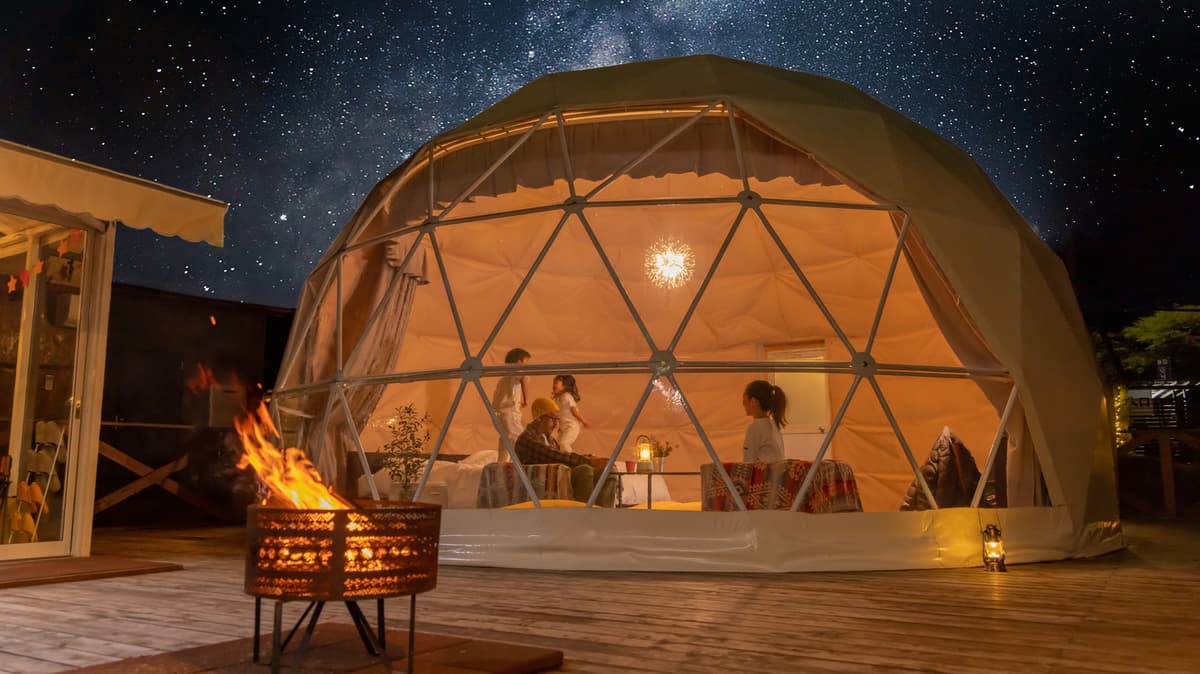
Glamping, once a niche novelty, has emerged as a mainstream alternative that marries outdoor adventure with five‑star comforts. Market analysts estimate the global glamping sector will surpass $5 billion by 2027, driven by its sustainability credentials and the 85% of travelers who now deem eco‑friendly options essential, according to Booking.com’s 2026 Travel and Sustainability Report. From geodesic domes in Alaska to treehouses in Sweden, these sites offer private bathrooms, premium bedding, and low‑impact designs, satisfying both the adventure‑seeker and the luxury‑expectant guest. The model also appeals to corporate retreats and wellness tourism, expanding its revenue potential beyond leisure vacationers.
Airbnb’s rapid expansion into off‑grid and architecturally unique properties amplifies the departure from conventional hotels. By facilitating short‑term “weekending” stays in tiny homes, historic castles, or sustainable treehouses, the platform captures 89% of luxury travelers who prioritize local charm. This trend pressures traditional hotel chains to diversify their portfolios, invest in boutique concepts, or partner with alternative‑lodging providers. As the line between hospitality and experiential travel blurs, industry players that integrate sustainability, authenticity, and flexible design will capture the next wave of high‑value bookings.
Goodbye Traditional Hotels — These Travel Trends Are Taking Over Vacations
Comments
Want to join the conversation?
Loading comments...