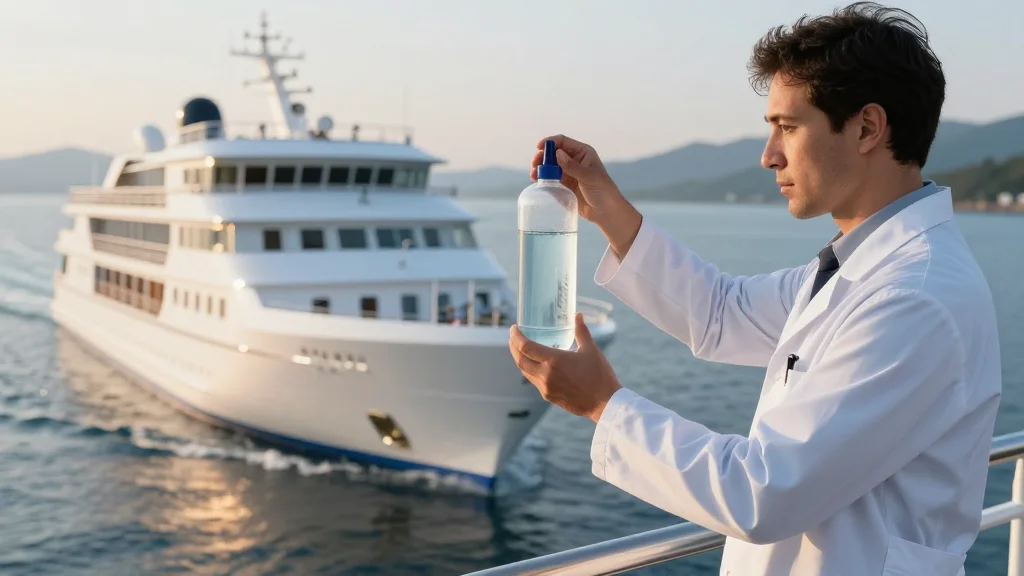
Great Lakes Cruises Blend Luxury with Science, Boost Inland Travel

Why It Matters
The introduction of science‑focused and customs‑free Great Lakes cruises signals a shift toward purpose‑driven travel in the inland cruising market. By allowing passengers to contribute to real research, Viking taps into the growing citizen‑science movement, while American Cruise Lines leverages domestic‑only itineraries to simplify logistics and attract travelers wary of international travel complexities. Together, they broaden the appeal of the Great Lakes, a region traditionally seen as a day‑trip destination, into a multi‑day, high‑value tourism product. If the voyages attract strong occupancy, other cruise operators may follow suit, expanding the range of experiences available on the world’s largest freshwater system. This could boost regional economies, increase awareness of environmental challenges facing the lakes, and create new revenue streams for ports that have historically catered only to freight or small‑scale tourism.
Key Takeaways
- •Viking launches 8‑to‑17‑day Great Lakes expeditions on a 378‑guest ship with onboard scientific labs.
- •American Cruise Lines debuts the 130‑guest American Patriot, a U.S.-built vessel that avoids customs clearance.
- •Both cruises offer balcony cabins, upscale dining and access to ports larger ships cannot reach.
- •Guest participation in water sampling and bird surveys feeds data to Cornell labs and other research institutions.
- •The itineraries begin in late June (Viking) and early July (American Cruise Lines), targeting the summer travel season.
Pulse Analysis
The Great Lakes cruises represent a strategic pivot for the cruise industry, which has traditionally focused on oceanic routes and tropical destinations. By leveraging the region’s unique freshwater ecosystem and its dense network of small ports, Viking and American Cruise Lines are creating a product that aligns with two powerful consumer trends: experiential travel and sustainability. The scientific component not only differentiates the product but also provides a tangible contribution to environmental monitoring, a narrative that resonates with eco‑conscious travelers.
Historically, inland waterways have been the domain of riverboats and small tour operators, not luxury cruise lines. The entry of high‑end brands signals confidence that affluent travelers are willing to pay premium fares for niche experiences that combine education, adventure and comfort. This could pressure larger cruise conglomerates to either develop similar small‑ship programs or acquire boutique operators that already have the expertise.
Looking ahead, the success of these itineraries will likely hinge on occupancy rates and the ability to market the scientific partnership angle effectively. If demand proves robust, we may see a cascade of new vessels designed specifically for freshwater cruising, potentially expanding to the Great Lakes’ Canadian side and even to other large inland seas worldwide. The next few seasons will reveal whether this is a fleeting novelty or the foundation of a lasting sub‑segment within the broader cruise market.
Great Lakes Cruises Blend Luxury with Science, Boost Inland Travel
Comments
Want to join the conversation?
Loading comments...