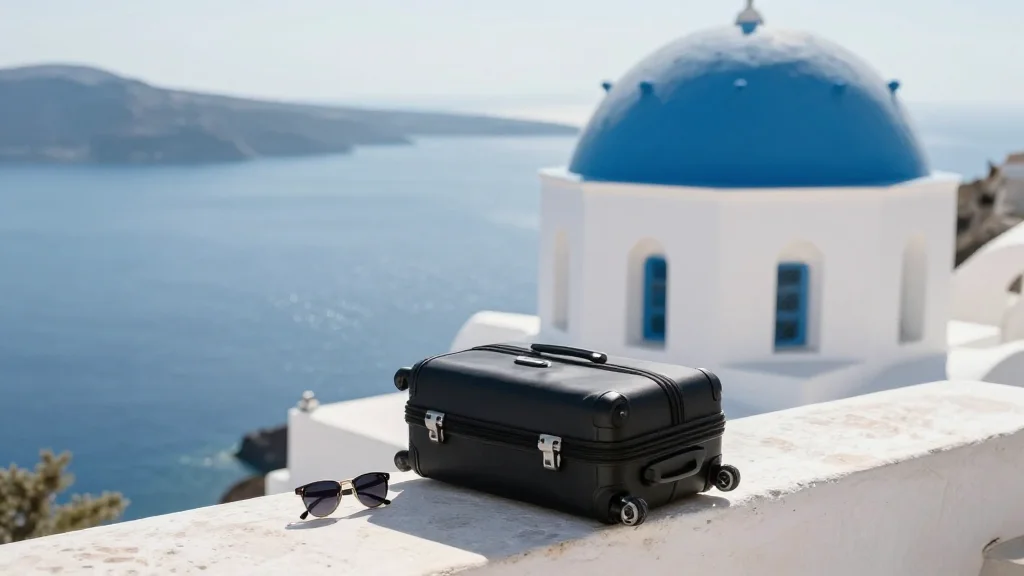
Greece Emerges Safe‑Haven as US Arrivals Jump 37% Amid Middle East War

Why It Matters
The shift toward Greece underscores how geopolitical instability can rapidly reconfigure tourism demand, redirecting travelers from higher‑risk, longer‑haul destinations to nearer, perceived‑safe markets. For European airlines and tour operators, the trend signals an opportunity to reallocate capacity and develop packages that cater to budget‑conscious families seeking short‑haul experiences. If the pattern holds, Greece could capture a larger share of the European leisure market, pressuring traditional Mediterranean rivals such as Spain and Italy to reinforce their own safety narratives and price competitiveness. The broader implication is a potential reshaping of European travel corridors, with safety and cost overtaking traditional destination allure.
Key Takeaways
- •U.S. arrivals to Greece rose 37% in January, per the National Tourism Organization
- •German travelers are canceling long‑haul trips and shifting to Greek islands
- •New flight capacity to Crete, Kefalonia and the Peloponnese begins June 6
- •Rising fuel costs are compressing European families' discretionary travel budgets
- •Major carriers are expanding Greek routes from the UK and Scandinavia
Pulse Analysis
Greece’s rapid ascent as a safe‑haven illustrates the elasticity of European travel demand when external shocks—geopolitical or economic—alter risk calculations. Historically, crises in the Middle East have prompted short‑haul rebounds in nearby stable markets; the current conflict accelerates that pattern, but the added pressure of soaring fuel prices creates a double‑edged sword. While safety drives the pivot, price sensitivity dictates the depth of the shift, favoring destinations that can offer competitive fares without sacrificing perceived security.
Airlines are already responding by reallocating slots from longer‑haul routes to Greek islands, a move that could cement new route structures beyond the immediate crisis. If airlines lock in these capacities, Greece may retain a larger share of the market even after the conflict eases, challenging the traditional dominance of Spain’s Balearic and Canary Islands. Moreover, the surge in U.S. travelers—up 37%—signals that transatlantic demand is less tethered to European budget constraints, perhaps because U.S. consumers face different inflation dynamics.
Looking forward, the sustainability of Greece’s growth hinges on two variables: the duration of the Middle East conflict and the trajectory of fuel prices. A prolonged war could deepen the safety premium, while a sharp decline in oil prices might revive long‑haul demand, pulling travelers back to far‑flung destinations. Stakeholders should therefore monitor both geopolitical developments and commodity markets to anticipate the next wave of travel reallocation.
Greece Emerges Safe‑Haven as US Arrivals Jump 37% Amid Middle East War
Comments
Want to join the conversation?
Loading comments...