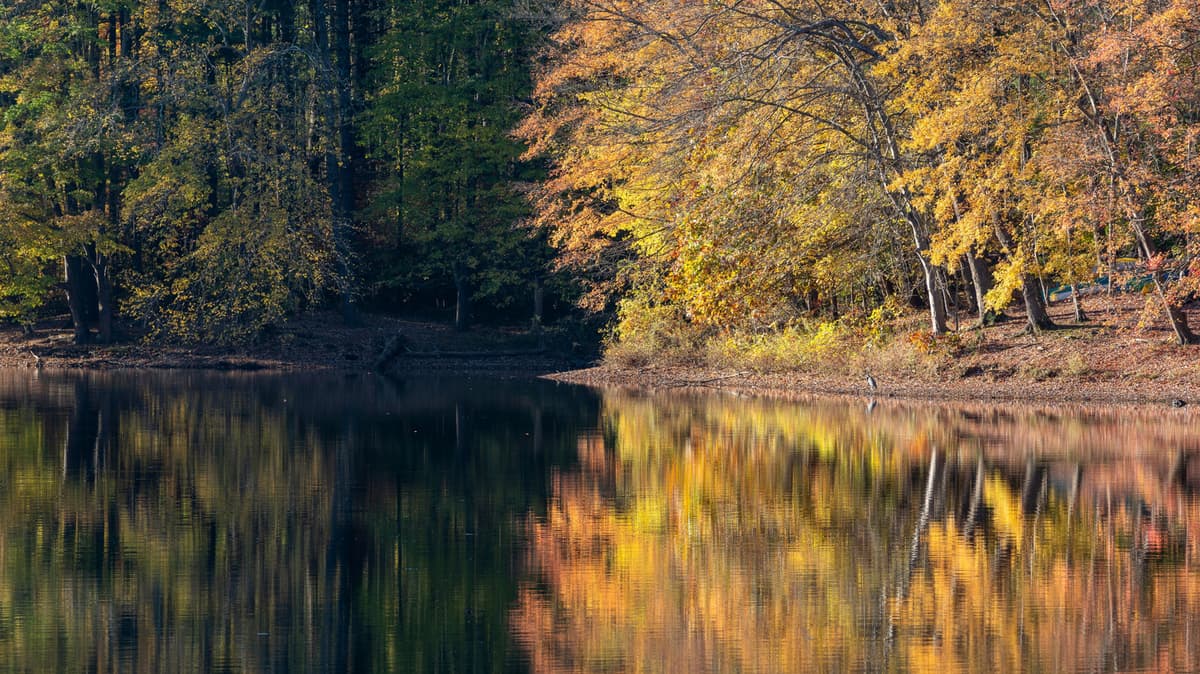
Halfway Between Baltimore And DC Is Maryland's Scenic Watershed For An Idyllic Suburban Escape With Recreation
Why It Matters
The site demonstrates how critical water resources can double as high‑demand recreation hubs, supporting regional quality‑of‑life and tourism while safeguarding supply. Its model shows suburban planners balancing utility, conservation, and public access.
Key Takeaways
- •Nearly 6,000 acres of protected forest span three Maryland counties.
- •28 miles of natural‑surface trails offer moderate hiking challenges.
- •Electric‑motor boats and $5 day permits protect water quality.
- •Azalea Garden showcases 22,000+ flowering shrubs since 1959.
- •Location between Baltimore and DC draws commuters seeking weekend nature.
Pulse Analysis
The T. Howard Duckett watershed is more than a scenic backdrop; it is a linchpin of the Washington‑Baltimore water system. Constructed in the 1940s, the Brighton, T. Howard Duckett, and Little Seneca dams create the Triadelphia and Rocky Gorge reservoirs that feed millions of households. Managed by the Washington Suburban Sanitary Commission, the watershed’s primary mission is water quality, yet it has opened thousands of acres for public enjoyment, illustrating a rare synergy between essential infrastructure and open space.
Recreation thrives across the 28 miles of trails that wind through dense forest and along the Patuxent River. The flagship Browns Bridge South Trail offers a 9‑mile loop that combines river views with gentle elevation changes, appealing to both casual walkers and seasoned hikers. Nearby, the historic Azalea Garden, planted in 1959, boasts over 22,000 azaleas, providing a vibrant floral showcase that draws botanists and families alike. All paths are natural‑surface, preserving the ecosystem while delivering a rugged, immersive experience.
Fishing and paddling further diversify the watershed’s appeal, but strict regulations keep the water pristine. Only electric‑motor boats are permitted, and anglers must secure a $5 day permit and a fishing license. Canoe and kayak launches at designated recreation areas give paddlers access to calm reservoir waters, while stand‑up paddleboards are excluded to limit disturbance. This balanced approach fuels local tourism, supports small‑business outfitters, and sets a precedent for suburban regions seeking to merge essential services with high‑quality outdoor amenities.
Halfway Between Baltimore And DC Is Maryland's Scenic Watershed For An Idyllic Suburban Escape With Recreation
Comments
Want to join the conversation?
Loading comments...