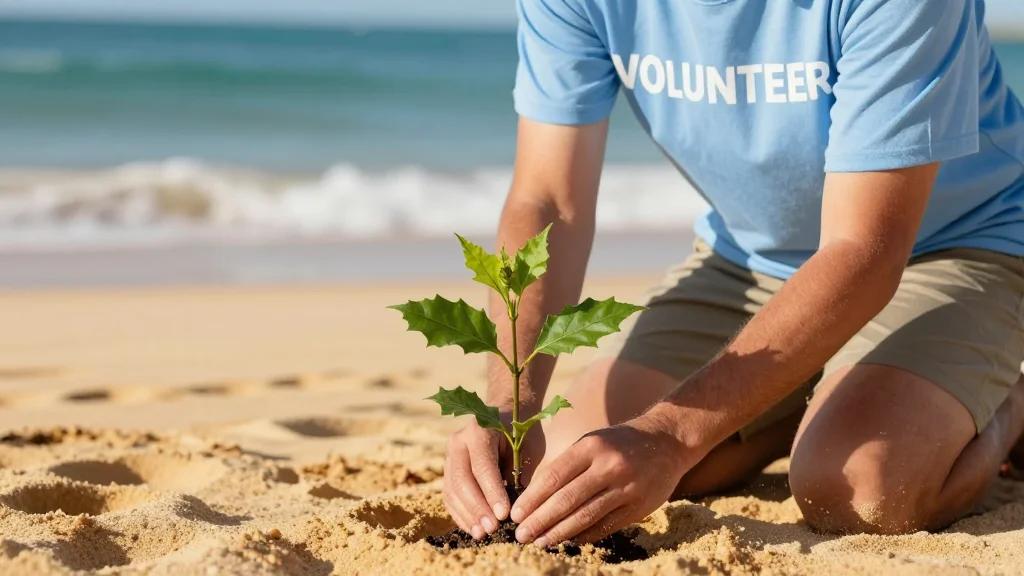
Hawaii Pushes Visitors to Volunteer with Mālama Hawaiʻi Programme

Why It Matters
The Mālama Hawaiʻi initiative illustrates how a destination can leverage tourism revenue to fund conservation while deepening visitor engagement. By converting tourists into volunteers, Hawaii not only mitigates the environmental strain of mass travel but also channels economic benefits directly to local communities, fostering goodwill and cultural exchange. If the programme scales successfully, it could become a blueprint for other fragile ecosystems facing similar pressures. Moreover, the integration of volunteer tourism with newly imposed taxes signals a holistic policy approach: fiscal tools raise funds, while experiential incentives ensure those funds translate into tangible on‑the‑ground impact. This dual strategy may redefine the social contract between host regions and their visitors, moving the industry toward a model where travel is measured as much by its positive legacy as by its economic contribution.
Key Takeaways
- •Hawai‘i Tourism Authority promotes Mālama Hawaiʻi, a volunteer programme with 1,393 activities across four islands.
- •Caroline Anderson, interim CEO, says the scheme makes it easy for visitors to engage in unique volunteer experiences.
- •The programme was launched in 2019 and is being highlighted after a 2023 wildfire and new tourism taxes.
- •Similar sustainable visitor incentives are in place in Copenhagen, Berlin and Fiji.
- •Goal to add 200 new volunteer activities by end‑2026 and track participation to gauge environmental impact.
Pulse Analysis
Hawaii’s renewed emphasis on volunteer tourism arrives at a crossroads where the industry must reconcile growth with sustainability. Historically, island economies have relied on high‑volume, low‑margin tourism, often at the expense of natural resources and local culture. The Mālama Hawaiʻi programme flips that model by turning each visitor into a potential steward of the land, effectively monetizing goodwill. This approach aligns with a broader shift among premium travelers who prioritize purpose‑driven experiences over pure leisure.
From a competitive standpoint, Hawaii’s brand advantage lies in its unique ecosystems and cultural heritage, assets that are difficult to replicate elsewhere. By packaging these assets with structured volunteer opportunities, the state differentiates itself from other sun‑and‑sand destinations that may lack a clear sustainability narrative. The added tax revenue earmarked for climate resilience further strengthens the case for a resilient tourism ecosystem that can weather future shocks, whether natural or market‑driven.
Looking forward, the key challenge will be scaling participation without diluting the quality of the volunteer experiences. Over‑crowding of projects could strain local NGOs, while under‑utilization would undermine the fiscal rationale behind the tax hikes. Continuous data collection on volunteer hours, ecological outcomes, and visitor satisfaction will be essential. If Hawaii can demonstrate measurable environmental benefits and community uplift, the Mālama Hawaiʻi model could become a template for other high‑traffic destinations seeking to embed sustainability into the core of their tourism strategies.
Hawaii pushes visitors to volunteer with Mālama Hawaiʻi programme
Comments
Want to join the conversation?
Loading comments...