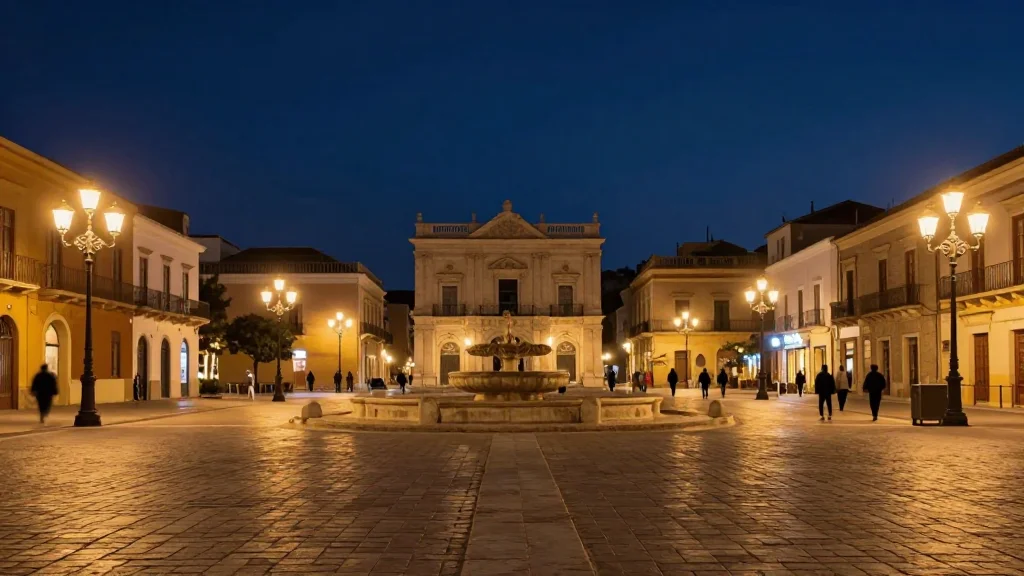

Why It Matters
The rise of noctourism signals a fundamental shift in how climate pressures are influencing travel behavior. By moving activities to cooler evening hours, destinations can maintain visitor numbers without compromising comfort or safety, preserving revenue streams that might otherwise decline during extreme heat. For the travel industry, the trend opens opportunities for new product development—night‑time tours, late‑hour dining packages, and cultural events—while also demanding adjustments in logistics, staffing and security. Moreover, the pattern highlights the need for sustainable urban planning that integrates cooling solutions, public lighting and safe pedestrian routes, setting a precedent for climate‑resilient tourism worldwide. For policymakers, the noctourism boom offers a pragmatic response to heat stress that aligns with public health goals and economic objectives. Extending operating hours can spread demand more evenly across the day, reducing strain on infrastructure and mitigating the environmental impact of overcrowded daytime sites. As European cities refine their night‑time strategies, the model may be exported to other heat‑prone regions, influencing global tourism standards and encouraging a more adaptable, year‑round travel ecosystem.
Key Takeaways
- •Seville introduced shade canopies and the CartujaQanat cooling system to support night‑time tourism.
- •Rome extended museum hours and launched open‑air cinemas along the Tiber River.
- •Athens keeps the Acropolis open until evening, attracting visitors after peak heat hours.
- •Travelers are restructuring itineraries to early‑morning visits and evening activities.
- •Industry analysts expect noctourism to grow as heatwaves become more frequent across Europe.
Pulse Analysis
Noctourism is emerging as a climate‑driven market segment that could redefine the seasonality of European travel. Historically, summer tourism in Southern Europe peaked during daylight hours, creating predictable congestion patterns at iconic sites. The current heatwave‑induced shift to night‑time activity not only alleviates pressure on infrastructure but also creates a differentiated product that can command premium pricing. Cities that invest early in lighting, security and transport for night‑time visitors will capture a larger share of tourist spend, especially as travelers seek authentic, less‑crowded experiences.
From a competitive standpoint, destinations that fail to adapt risk losing market share to more agile cities. Seville's proactive measures—shade structures, underground cooling, and promotion of local evening customs—position it as a leader, while Rome and Athens are catching up with extended hours and cultural programming. The trend also forces travel operators to rethink packaging; agencies that bundle night‑time tours, dinner experiences and late‑hour museum tickets will likely see higher conversion rates. In the longer term, noctourism could influence urban design, encouraging cities to prioritize pedestrian-friendly night zones, green corridors and resilient cooling technologies, thereby embedding climate adaptation into the tourism value chain.
Heatwaves Drive European Cities Toward a Noctourism Boom
Comments
Want to join the conversation?
Loading comments...