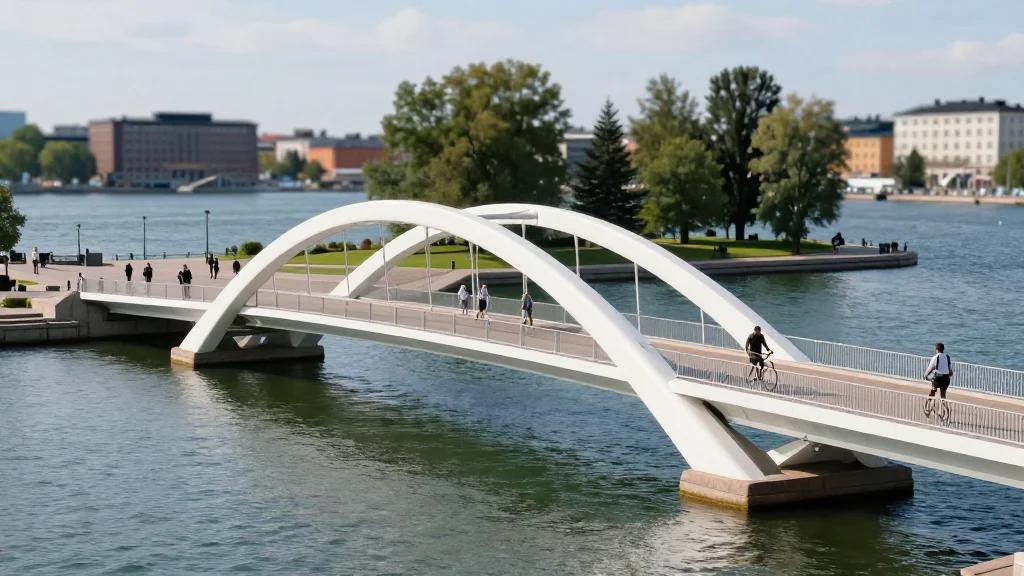
Helsinki Opens 1.2‑km Car‑Free Pedestrian Bridge, Redefining Island Travel

Why It Matters
The Kruunuvuorensilta bridge illustrates how infrastructure can simultaneously serve transportation, tourism and environmental goals. By providing a car‑free, scenic corridor, Helsinki not only improves local mobility but also creates a distinctive attraction that can differentiate the city in a competitive global tourism market. The project underscores a shift toward experiential travel, where the act of moving through a city becomes part of the itinerary, appealing to travelers who value sustainability and authentic engagement. Moreover, the bridge sets a precedent for other coastal and island cities grappling with congestion and carbon footprints. If successful, it could inspire similar pedestrian‑only spans that double as tourist draws, reinforcing the link between urban planning and destination branding.
Key Takeaways
- •Kruunuvuorensilta spans 1,191 metres, making it one of the longest car‑free pedestrian bridges worldwide
- •Travel distance between Helsinki’s waterfront district and Korkeasaari island halved from 11 km to 5.5 km
- •Bridge opened to tens of thousands of visitors during its inaugural weekend
- •Tram tracks already in place; a light‑rail line is expected to launch by 2027
- •Design prioritises pedestrians, cyclists and sustainable tourism experiences
Pulse Analysis
Helsinki’s decision to invest in a massive car‑free bridge reflects a broader trend where cities leverage infrastructure as a tourism asset. Historically, bridges have been utilitarian, but the Kruunuvuorensilta project flips that script, positioning the structure as a destination in its own right. This aligns with the rise of ‘slow travel,’ where tourists seek immersive, low‑impact experiences rather than rapid, checklist‑style sightseeing.
From a competitive standpoint, Helsinki now differentiates itself from other Nordic capitals that rely heavily on ferry services for island access. By offering a seamless, pedestrian‑friendly link, the city can market a unique, eco‑centric itinerary that appeals to environmentally conscious travelers. The upcoming light‑rail integration will further cement the bridge’s role in the city’s multimodal network, potentially increasing visitor dwell time and spending in adjacent districts.
Looking forward, the bridge could act as a catalyst for policy shifts across Europe, encouraging municipalities to prioritize pedestrian and cyclist infrastructure over car‑centric designs. If the bridge delivers on its promise of reduced emissions, increased tourism revenue, and heightened global visibility, it may become a benchmark for future sustainable urban projects worldwide.
Helsinki Opens 1.2‑km Car‑Free Pedestrian Bridge, Redefining Island Travel
Comments
Want to join the conversation?
Loading comments...