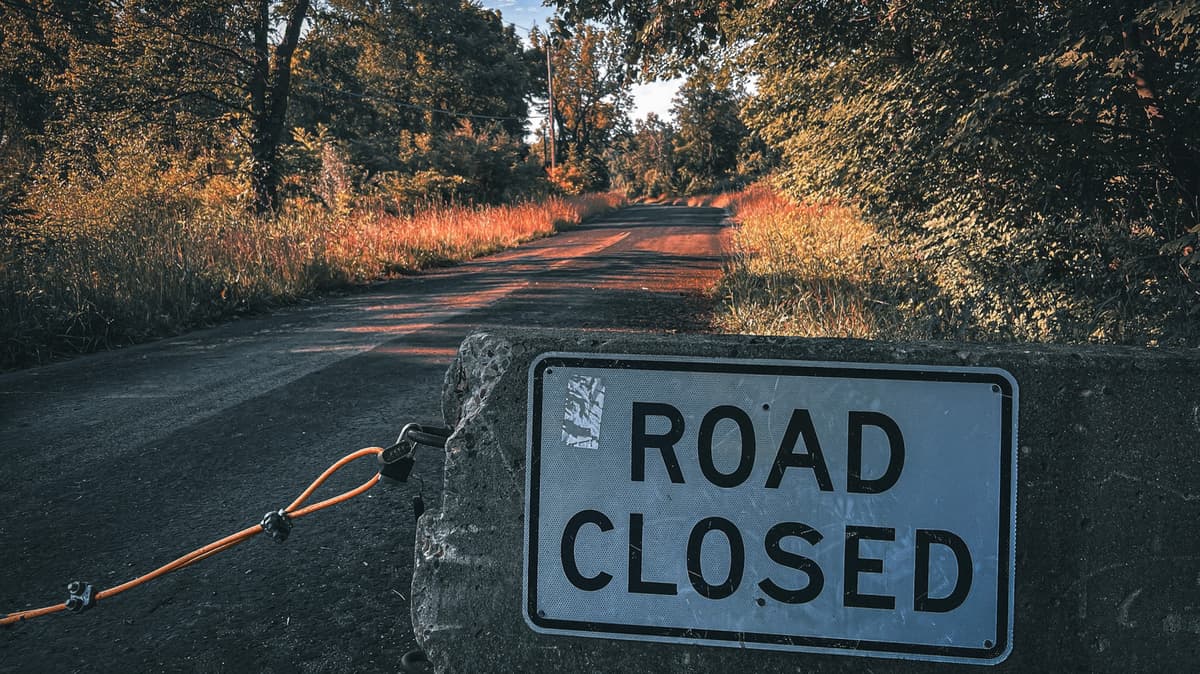
Hidden In Cuyahoga Valley National Park Is Ohio's Once-Thriving Village Now Largely Lost To Time
Why It Matters
The Helltown story illustrates how federal land‑acquisition policies can reshape communities and spawn enduring cultural myths, driving niche tourism that boosts local economies.
Key Takeaways
- •Boston, Ohio was seized in 1974 for Cuyahoga Valley National Park.
- •Eminent‑domain forced residents out; demolition delayed until 2016.
- •Legends of Helltown include mutant chemicals, “Peninsula Python,” and haunted bridges.
- •Remaining sites: Boston Cemetery, a barn, and a private “Slaughterhouse” property.
Pulse Analysis
The 1974 application of eminent‑domain to create the Cuyahoga Valley National Recreation Area forced the displacement of Boston’s residents, a pattern echoed across the United States when federal projects intersect with small towns. While the legal justification centered on preserving natural landscapes and expanding public recreation, the abrupt evacuation left a physical and emotional scar that persisted for decades. The delayed demolition—finally completed in 2016—left a tangible reminder of how policy decisions can outlive their intended timelines, reshaping local demographics and land use.
In the vacuum left by abandoned homes and boarded‑up streets, folklore flourished. Stories of a secret chemical spill spawning a mutant creature, the “Peninsula Python,” and satanic rituals in a local church blended historical anxieties with classic horror tropes, turning Helltown into a pilgrimage site for paranormal enthusiasts. These narratives have proven commercially viable, spurring guided ghost tours, themed festivals, and even an annual orienteering race that leverages the area’s mystique. The mythic layer adds a unique cultural dimension to the park, attracting visitors who might otherwise bypass a regional natural attraction.
Today, the park’s trail network threads through the remnants of Boston, offering hikers a glimpse of the cemetery, a dilapidated barn, and the privately owned “Slaughterhouse” structure. While access is limited, the lingering aura fuels a niche tourism market that supports nearby businesses in Peninsula and the broader Ohio Valley. Balancing preservation of natural resources with the commercial appeal of legend will shape how the park manages visitor experience and local economic development in the years ahead.
Hidden In Cuyahoga Valley National Park Is Ohio's Once-Thriving Village Now Largely Lost To Time
Comments
Want to join the conversation?
Loading comments...