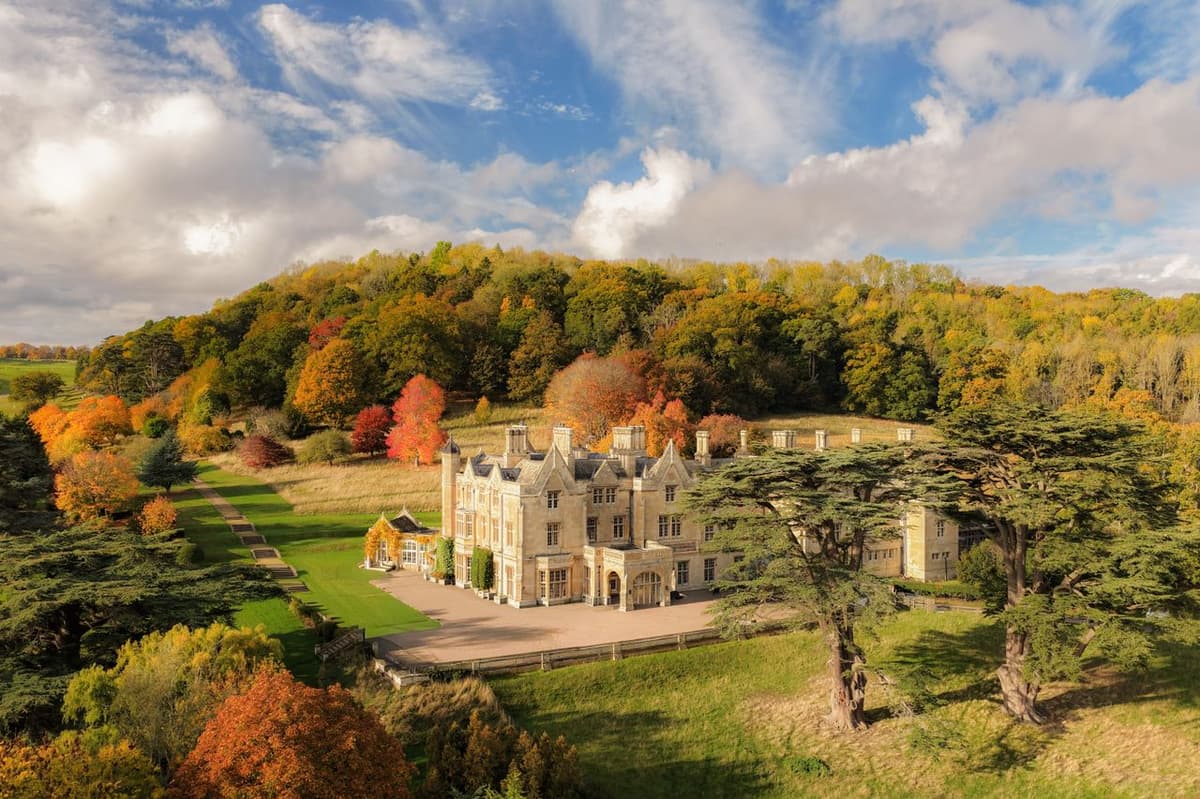
Historic Hotels Reimagined as Luxury Stays – Here's What to Book
Why It Matters
The upgrades signal a growing appetite for heritage‑based luxury experiences, positioning these properties to capture high‑spending tourists seeking both history and modern wellness amenities. This trend strengthens the UK’s premium hospitality sector amid fierce global competition.
Key Takeaways
- •Dumbleton Hall reopens after two‑year restoration, 34 bespoke rooms.
- •Pine Trees Hotel adds “Woodland Wellness” igloo sauna and exclusive‑use residence.
- •Four Seasons London launches 14 newly renovated Art Deco‑inspired suites.
- •Prices range from $485 to $6,016 per night, targeting affluent travelers.
- •Heritage properties blend historic charm with modern wellness amenities.
Pulse Analysis
The resurgence of heritage hotels reflects a broader shift in luxury travel toward immersive, story‑rich stays. Travelers increasingly value properties that offer authentic historical context alongside contemporary comforts. Dumbleton Hall’s meticulous restoration, which preserves Belle Époque details while integrating a seasonal, locally sourced menu, exemplifies how operators can leverage regional culture to differentiate their offering. Similarly, Pine Trees Hotel’s blend of Victorian architecture with a "coorie"‑centric wellness program taps into the growing demand for nature‑based rejuvenation experiences, positioning the Scottish Highlands as a boutique retreat destination.
Wellness and exclusivity have become pivotal revenue drivers for upscale hotels. Pine Trees’ new igloo‑shaped sauna, plunge pool, and the upcoming 11‑room East Haugh House cater to groups seeking private, health‑focused getaways, while Four Seasons London’s refreshed suite collection showcases high‑touch design elements—sycamore paneling, Murano glass lighting, and private terraces—that justify premium pricing above $6,000 per night. These enhancements not only elevate guest satisfaction but also enable operators to command higher average daily rates (ADR) and improve yield management in competitive city markets.
For the UK hospitality landscape, the convergence of heritage preservation and modern luxury creates a compelling value proposition for affluent international visitors. By converting historic estates into high‑margin assets, owners can capitalize on tourism recovery post‑pandemic and the rising proportion of travelers willing to spend on unique experiences. As luxury brands continue to invest in bespoke amenities and sustainable sourcing, the sector is poised for robust growth, with heritage hotels likely to play a central role in shaping the next wave of premium tourism offerings.
Historic hotels reimagined as luxury stays – here's what to book
Comments
Want to join the conversation?
Loading comments...