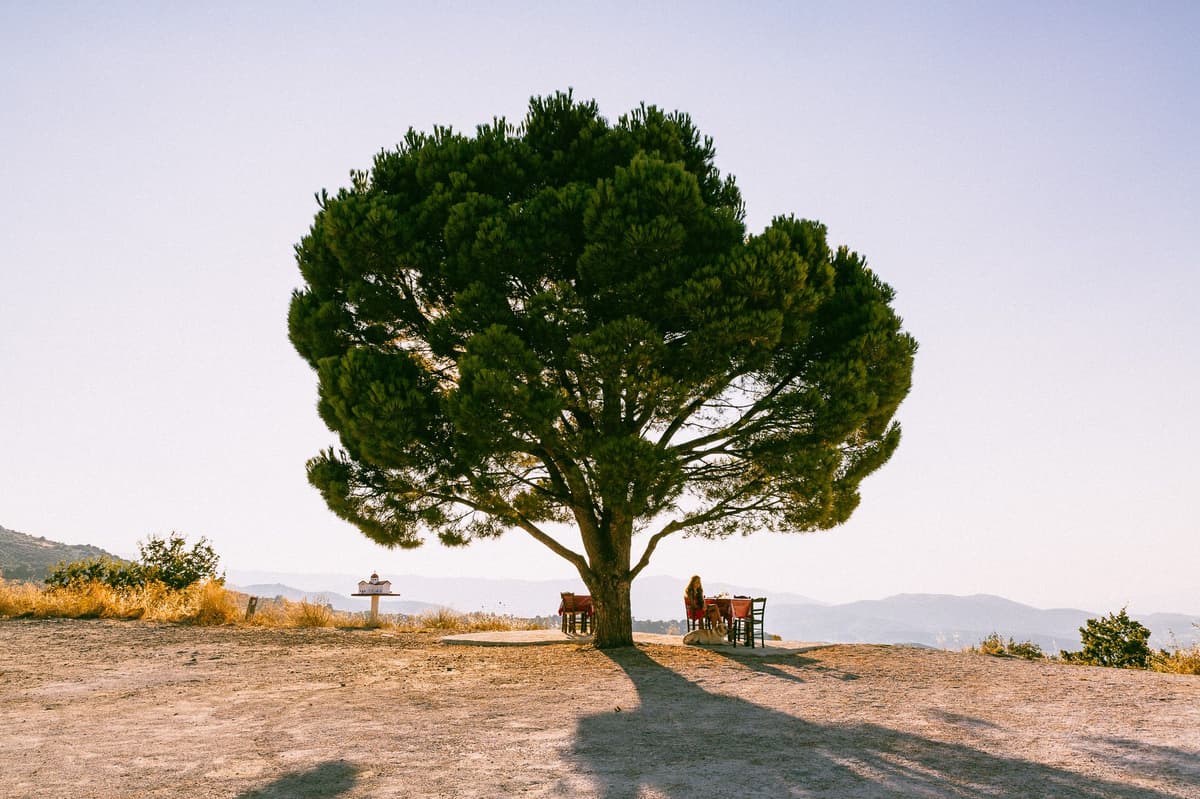
How to Decide Where to Stay in Crete, the Largest Greek Island
Why It Matters
The surge underscores Crete’s emergence as a premier Mediterranean tourism hub, attracting global hotel brands and massive public‑sector investment that will reshape Greece’s travel economy.
Key Takeaways
- •Tourism on Crete surged ~60% in recent years
- •International brands like Rosewood, Marriott, IHG opening new hotels
- •New airport and cruise terminal projects aim to boost arrivals
- •Cretan wine industry reviving after 1970s phylloxera crisis
- •Five distinct regions offer beaches, history, hiking, and gastronomy
Pulse Analysis
Crete’s rapid tourism growth reflects a broader shift in European travel preferences toward destinations that combine natural beauty with cultural depth. While many islands rely on seasonal beach traffic, Crete’s 3,200‑square‑mile landscape supports year‑round activities—from winter snow sports in the mountains to summer sailing along pristine coastlines. This versatility has attracted a new class of high‑spending visitors, driving a 60% visitor increase and prompting luxury operators to expand their footprints. The island’s appeal is further amplified by its reputation as a culinary hotspot, where regenerative vineyards like Manousakis Winery are redefining Mediterranean wine production.
Infrastructure investment is now catching up with demand. The upcoming Rosewood resort, alongside Marriott and IHG launches, signals confidence from global hospitality players that Crete can sustain upscale occupancy rates. Parallel public‑sector projects—a modernized international airport slated for 2027‑28 and a dedicated cruise terminal—are designed to streamline arrivals and distribute tourist flow beyond the congested northern coast. These developments promise job creation, higher tax revenues, and a spill‑over effect for local suppliers, positioning Crete as a catalyst for Greece’s broader economic recovery.
Beyond hotels and transport, Crete’s food and wine renaissance adds a compelling narrative for discerning travelers. After a devastating phylloxera outbreak in the 1970s, a new generation of vintners has revived indigenous varieties such as Vidiano, earning organic and regenerative certifications that appeal to eco‑conscious consumers. Coupled with a thriving tavern scene that showcases olive oil, honey, and cheese, the island offers a full‑sensory experience that differentiates it from other Mediterranean locales. As the region’s five distinct areas—from Chania’s Venetian harbor to the untouched southern beaches—continue to be highlighted, Crete is set to solidify its status as a must‑visit destination for both adventure seekers and luxury tourists alike.
How to Decide Where to Stay in Crete, the Largest Greek Island
Comments
Want to join the conversation?
Loading comments...