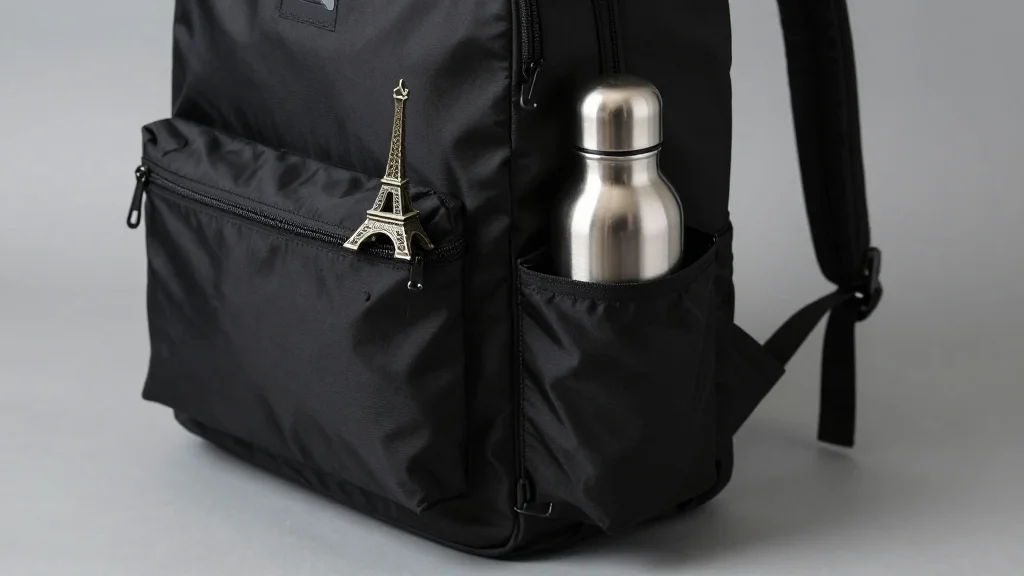
How to Pack a Backpack Carry-On: 7 Packing Tips & Tricks
Why It Matters
Efficient backpack packing reduces physical fatigue, complies with airline safety rules, and prevents costly oversize or excess‑baggage charges, directly impacting traveler comfort and budget.
Key Takeaways
- •Prioritize weight distribution: heavy items near back, light items on top.
- •Use a crossbody pouch for passport, phone, and other essentials.
- •Lay out gear before packing to eliminate unnecessary items.
- •Seal liquids in airtight bags; keep bottles 25‑30% empty.
- •Leave 20‑30% space for purchases and expanding clothing.
Pulse Analysis
The surge in remote work and budget‑friendly airlines has turned the backpack into a preferred carry‑on for many U.S. travelers. Unlike rigid hardshell suitcases, a well‑designed backpack slides easily into overhead bins and can be stowed under seats when space is tight. Airlines enforce strict linear dimensions, and a flexible bag often avoids the dreaded ‘oversize’ fee that can add $50‑$100 to a ticket. This shift also appeals to millennial and Gen‑Z flyers who value mobility and a hands‑free experience during airport hustle.
Effective packing hinges on three zones: heavy items in the middle, light items on top, and medium‑weight gear at the bottom. Positioning laptops, books, or chargers close to the spine balances the load and reduces back strain. Sealing liquids in zip‑top or silicone bags—and leaving bottles only a quarter full—prevents pressure‑induced leaks that can damage electronics or the bag’s fabric. Keeping lithium‑ion batteries within easy reach satisfies airline safety rules, while a small cross‑body pouch ensures passports and phones are accessible without rummaging through the main compartment.
Travelers who leave 20‑30% of their pack empty gain a safety net for souvenirs, unexpected weather gear, or laundry‑day bulges. A collapsible tote or day bag tucked inside the main backpack can double as a shopping sack, eliminating the need to check additional luggage. By adopting a minimalist mindset—laying out gear before packing and discarding bulkier items—flyers cut weight, lower fatigue, and often stay under airline weight limits, saving both time and potential excess‑baggage fees. The added flexibility also translates into smoother connections and less stress during tight layovers.
How to Pack a Backpack Carry-On: 7 Packing Tips & Tricks
Comments
Want to join the conversation?
Loading comments...