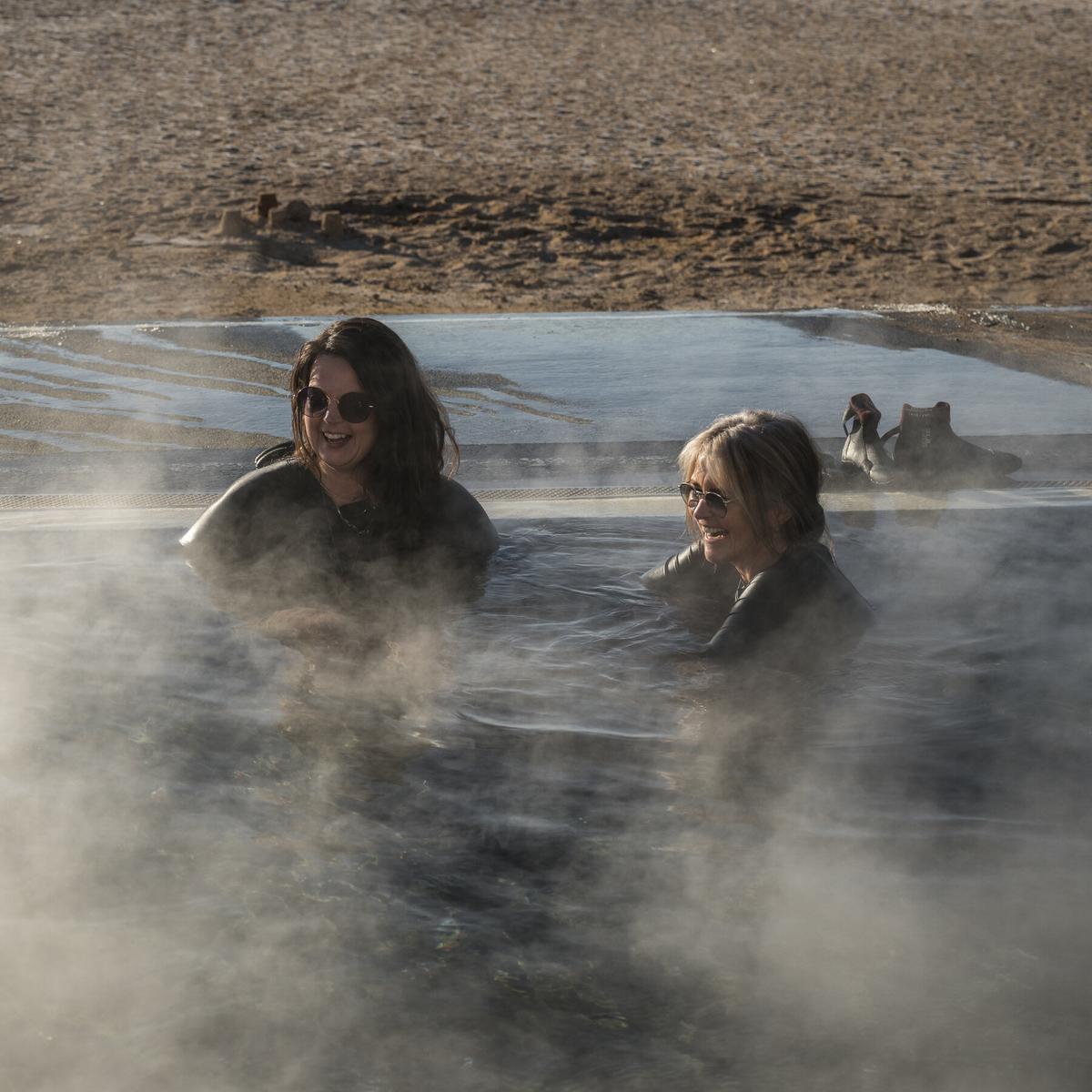
Iceland’s Pools and Hot Tubs Are Now UNESCO-Recognized. Some Locals Aren’t Thrilled.
Why It Matters
UNESCO’s endorsement elevates Icelandic pool culture on the global stage, potentially driving tourism revenue but also threatening the intimate local experience. Managing this tension will be crucial for sustaining both economic benefits and cultural authenticity.
Key Takeaways
- •UNESCO listed Icelandic pool culture as intangible heritage
- •Over‑tourism fears rise as pools gain global spotlight
- •Iceland hosts ~150 public pools for a 400k population
- •Tourist arrivals average two million annually, straining local sites
- •Locals prefer early‑morning swims to avoid crowds
Pulse Analysis
Iceland’s recent UNESCO inscription marks a rare acknowledgment of everyday communal spaces, placing the nation’s pool culture alongside world‑renowned traditions like French baguette baking. The intangible heritage label celebrates a social fabric woven around geothermal pools, hot tubs, and communal exercise that has persisted for generations. By codifying this practice, UNESCO not only validates its cultural value but also signals to travelers that Iceland offers more than dramatic landscapes—it offers a lived, local experience.
Tourism has surged in recent years, with roughly two million visitors arriving annually despite a resident population of under 400,000. While the influx fuels hospitality revenues and creates jobs, it also strains popular attractions, prompting concerns that previously secluded pools could become overcrowded. Early‑morning swims, once a quiet ritual for locals, risk turning into tourist spectacles, potentially eroding the authenticity that made the tradition unique. The balance between economic gain and cultural preservation is now a pressing policy discussion.
Local authorities and community groups are already weighing mitigation strategies, from timed entry systems to promotional campaigns encouraging off‑peak visits. Some propose integrating pool tours into broader cultural itineraries, turning the challenge into an opportunity to educate visitors about Icelandic communal life. As the world watches, Iceland’s response could serve as a blueprint for other nations seeking to protect intangible heritage while capitalizing on sustainable tourism growth.
Iceland’s Pools and Hot Tubs Are Now UNESCO-Recognized. Some Locals Aren’t Thrilled.
Comments
Want to join the conversation?
Loading comments...